Modern kitchen design increasingly prioritizes both aesthetics and functionality, and few appliance pairings exemplify this better than the wall oven and microwave. Far from being mere standalone units, these appliances, when chosen wisely and integrated seamlessly, can transform your cooking experience, offering unparalleled convenience, ergonomic benefits, and a sleek, contemporary look. Whether you’re a gourmet chef or simply seeking to streamline daily meal prep, understanding the nuances of wall ovens and microwaves is key to building a kitchen that truly works for you. This comprehensive guide will explore everything from their core functions and various types to crucial buying considerations and maintenance tips, helping you make the perfect choices for your culinary space.
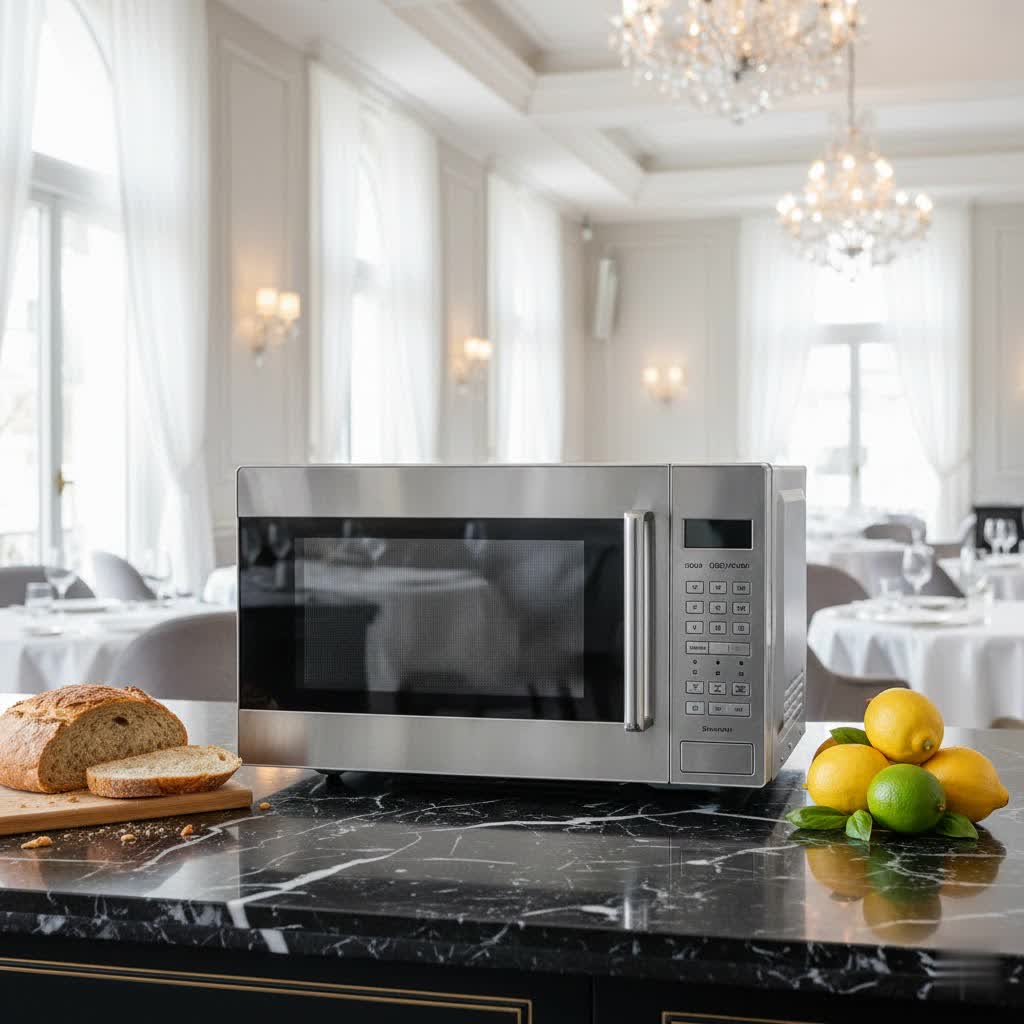
Understanding Wall Ovens: A Foundation of Culinary Power
A wall oven is a built-in cooking appliance installed directly into cabinetry, typically separate from the stovetop. This design offers significant ergonomic advantages, as it can be placed at eye level, eliminating the need to bend down when loading or unloading heavy dishes. Wall ovens provide a dedicated space for baking, roasting, and broiling, often boasting advanced features not always found in traditional range ovens.
The principles behind a wall oven’s operation are similar to a conventional oven: heating elements (electric or gas) generate heat, which is then circulated to cook food. Modern wall ovens often incorporate convection technology, using fans to distribute hot air evenly, resulting in faster cooking times and more consistent browning.
Historically, ovens were always part of a freestanding range. The advent of separate cooktops and wall ovens allowed for greater flexibility in kitchen layout and design, catering to evolving aesthetic preferences and functional needs.
The Versatility of Microwave Ovens: Speed and Convenience
A microwave oven uses microwave radiation to heat food by exciting water molecules within it. This process cooks food rapidly and efficiently, making it indispensable for reheating leftovers, defrosting ingredients, and quickly preparing certain dishes. Microwaves operate by converting electricity into high-frequency radio waves, which are then directed into the cooking cavity.
The invention of the microwave oven in the mid-20th century revolutionized food preparation, offering a previously unimaginable level of speed and convenience. From its early bulky commercial models to the sleek, compact units we see today, the microwave has become a cornerstone of the modern kitchen.
Integrating for Efficiency: Wall Ovens and Microwaves Combined
While many homes feature separate countertop microwaves, a growing trend involves integrating microwaves directly into kitchen cabinetry, often above a wall oven. This integrated approach maximizes counter space, creates a cohesive visual line, and places both primary cooking appliances within easy reach.
Common Configurations:
- Microwave Above Wall Oven: This classic configuration is highly ergonomic, allowing easy access to both appliances. It’s often achieved using a trim kit for the microwave to create a built-in look or by purchasing a dedicated built-in microwave.
- Microwave Drawer: These innovative microwaves pull out like a drawer, typically installed below a countertop or in an island. They offer a discreet look and are particularly convenient for loading and unloading, especially for children or those with mobility challenges.
- Combination Wall Ovens: Some high-end units feature a single appliance that combines a full-sized oven with a smaller microwave or speed oven directly above it, all within one integrated frame. These offer ultimate convenience and a unified aesthetic.
|
Our Picks for the Best Microwave Oven in 2026
As an Amazon Associate I earn from qualifying purchases.
|
||
| Num | Product | Action |
|---|---|---|
| 1 | TOSHIBA ML-EM09PA(BS) Small Microwave Oven with 6 Auto Menus, Mute Function & Child Lock, LED Lighting, Perfect for Apartment, 0.9 Cu Ft, 10.6 Inch Removable Turntable, 900W, Black Stainless Steel |

|
| 2 | Farberware 1.1 Cu. Ft. Countertop Microwave Oven – 1000 Watts Power, Auto Cook Settings, Defrost, Easy Clean and Child Safety Lock - Stainless and Black |
|
| 3 | Beautiful 1.1 Cu Ft 1000W Sensor Microwave Oven – Compact Countertop with Smart Sensor Cooking, 10 Power Levels & Easy Clean Interior – Perfect for Quick Meals, Office & Holiday Hosting |
|
| 4 | BLACK+DECKER EM720CB7 Digital Microwave Oven with Turntable Push-Button Door, Child Safety Lock, 700W, Stainless Steel, 0.7 Cu.ft |
|
| 5 | Farberware 1.1 Cu. Ft. Countertop Microwave Oven – 1000 Watts Power, Auto Cook Settings, Defrost, Easy Clean and Child Safety Lock - Stainless |
|
| 6 | Chefman Countertop Microwave Oven 0.7 Cu. Ft., 700 Watts with 10 Power Levels, 6 Cooking Presets with One-Touch Express Cook, Eco Mode, Child Safety Lock, & Mute Button - Black |
|
| 7 | TOSHIBA EM131A5C-SS Countertop Microwave Ovens 1.2 Cu Ft with 12.4" Removable Turntable Smart Humidity Sensor, 12 Auto Menus Mute Function ECO Mode Easy Clean Interior, 1000W, Silver |
|
| 8 | Farberware 1.1 Cu. Ft. Countertop Microwave Oven – 1000 Watt Power, Auto Cook Settings, Defrost, Easy Clean and Child Safety Lock - Stainless |
|
| 9 | TOSHIBA EM131A5C-BS Countertop Microwave Ovens 1.2 Cu Ft, 12.4" Removable Turntable Smart Humidity Sensor 12 Auto Menus Mute Function ECO Mode Easy Clean Interior Black Color 1000W |
|
| 10 | Nostalgia Retro Compact Countertop Microwave Oven, 0.7 Cu. Ft. 700-Watts with LED Digital Display, Child Lock, Easy Clean Interior, Aqua |
|
The combination of a wall oven and microwave offers superior kitchen ergonomics and design flexibility. Placing the oven at a comfortable height means less bending, while an integrated microwave frees up valuable counter space.
Key Considerations When Choosing Your Wall Oven and Microwave
Selecting the right wall oven and microwave involves more than just picking attractive models. It requires a thoughtful assessment of your lifestyle, cooking habits, and kitchen layout.
1. Assess Your Culinary Needs
- Family Size & Cooking Volume: A large family that bakes frequently might need a double wall oven and a higher-capacity microwave. Smaller households might be fine with a single oven and a compact microwave.
- Cooking Style: Do you bake elaborate pastries, roast large cuts of meat, or primarily use your appliances for reheating and simple meals? Convection features are a boon for bakers and roasters, while sensor cooking in a microwave can simplify everyday tasks.
- Frequency of Use: Daily use warrants investing in durable, feature-rich models, while occasional use might allow for more basic options.
2. Determine Capacity and Size
- Wall Oven Capacity:
- Single Wall Ovens: Typically 3.0 to 5.0 cubic feet, suitable for most families.
- Double Wall Ovens: Offer two separate oven cavities, perfect for large families or entertaining, allowing you to cook different dishes at varying temperatures simultaneously.
- Compact Ovens: Smaller options for tiny kitchens or secondary cooking spaces.
- Microwave Capacity:
- Compact (0.7-1.0 cu ft): Ideal for reheating single servings or small items.
- Mid-size (1.1-1.6 cu ft): Good for most families, accommodating dinner plates and casseroles.
- Large (1.7-2.2 cu ft): For larger families or those who frequently cook big items.
Ensure the dimensions of any built-in unit or trim kit fit your existing or planned cabinetry openings.
3. Consider Power and Performance
- Wall Oven Power: Look at total wattage for electric ovens or BTU ratings for gas models. Higher power generally means faster preheating and more consistent temperature maintenance. Convection features are a significant upgrade for even cooking.
- Microwave Wattage: Generally ranges from 700W to 1200W. Higher wattage means faster and more efficient cooking. For general use, 1000W or more is recommended.
4. Essential Features and Advanced Functionality
- Wall Oven Features:
- Convection Baking/Roasting: Ensures even heat distribution for consistent results.
- Self-Cleaning Mode: Pyrolytic (high heat) or steam cleaning options simplify maintenance.
- Temperature Probe: Allows you to monitor internal food temperature for perfect results.
- Proofing Mode: Ideal for bread makers.
- Delay Start/Timed Cooking: Convenient for scheduling meals.
- Microwave Features:
- Sensor Cooking: Automatically adjusts cooking time and power based on food moisture and temperature.
- Inverter Technology: Provides a consistent power stream for more even cooking and defrosting, often leading to better results and energy efficiency.
- Pre-set Programs: One-touch settings for popular foods like popcorn, pizza, or beverages.
- Child Lock: Prevents accidental operation.
- Add 30 Seconds Button: Quick and convenient for extending cooking time.
5. Research Reputable Brands
While brands like Sharp, Panasonic, Electrolux, Samsung, and LG are well-known for microwaves, consider major appliance manufacturers for wall ovens, such as Bosch, KitchenAid, GE, Whirlpool, Maytag, and Frigidaire. Each brand may offer specific advantages in terms of design, features, or price point. Reading user reviews and expert ratings can provide valuable insights into reliability and customer satisfaction.
6. Installation and Aesthetics
For built-in units, professional installation is often recommended to ensure proper fit, electrical connections, and venting. Consider the finish (stainless steel, black stainless, white, custom panels) to match your kitchen décor. Trim kits for microwaves can help create a seamless, built-in look.
7. Set Your Budget
Wall ovens and microwaves come in a wide range of prices. Combination units or models with extensive features will naturally be more expensive. Determine your budget early and look for the best features and reliability within that range. Remember that installation costs for built-in appliances should also be factored in.
“Investing in high-quality, integrated kitchen appliances like wall ovens and microwaves not only enhances your home’s value but fundamentally changes how you interact with your kitchen, making cooking a more joyful and less cumbersome experience.”
Top Wall Ovens and Microwaves for Modern Kitchens
The market offers a vast array of options, catering to different needs and budgets. Here’s a general overview of popular categories:
- Premium Combination Units: Brands like Miele, Thermador, and Wolf offer integrated wall oven and speed oven (or microwave) units with advanced cooking modes, intuitive controls, and sleek designs, often at a higher price point.
- Mid-Range Built-In Solutions: GE Profile, KitchenAid, Bosch, and Samsung offer excellent single and double wall ovens that can be paired with matching built-in microwaves or microwave drawers. These provide a great balance of features, performance, and value.
- Reliable Microwave Drawers: Sharp is a leader in microwave drawer technology, offering models that fit seamlessly under counters or in islands, providing convenient access without sacrificing counter space.
- Feature-Rich Built-In Microwaves: Panasonic with its Inverter technology and Whirlpool offer robust built-in microwaves that integrate well with most kitchen designs using appropriate trim kits.
When choosing, compare specific models based on their cubic feet capacity, wattage, cooking technologies (e.g., true convection, sensor cooking), and specific user reviews regarding ease of use and reliability.
Using and Maintaining Your Appliances for Longevity
Proper usage and regular maintenance are crucial for extending the lifespan of your wall oven and microwave and ensuring their safe operation.
Usage Tips:
- Preheating (Oven): Always preheat your wall oven to the specified temperature for optimal cooking results, especially for baking.
- Appropriate Cookware (Oven): Use oven-safe dishes and bakeware. Avoid placing cold glass dishes directly into a hot oven.
- Microwave-Safe Cookware: Only use microwave-safe containers. Metal, foil, or dishes with metallic trim can cause arcing and damage.
- Avoid Overloading (Microwave): Don’t try to cook overly large quantities in the microwave; it can lead to uneven heating.
- Even Cooking (Microwave): Stir or rotate food midway through microwaving to ensure even heating.
Cleaning and Maintenance:
- Regular Wiping: Wipe down the interior and exterior of both appliances regularly with a damp cloth and mild detergent to prevent food buildup.
- Oven Self-Cleaning: Utilize your oven’s self-cleaning feature periodically (if available). Follow manufacturer instructions carefully, ensuring good ventilation. For non-self-cleaning ovens, use oven cleaner as directed.
- Microwave Cleaning: To easily clean a microwave, place a bowl of water with lemon slices or vinegar inside and heat for a few minutes until steam forms. The steam will loosen food splatters, making them easy to wipe away.
- Door Seals: Keep door seals clean on both appliances to ensure a tight seal and efficient operation.
- Ventilation: Ensure proper ventilation around built-in units. Check and clean filters on over-the-range microwaves if applicable.
- Professional Checks: Consider professional servicing if you notice any unusual noises, smells, or performance issues.
Safety Precautions:
- Child Lock: Always use the child lock feature on both appliances if you have young children.
- Never Operate Empty (Microwave): Running a microwave without food or liquid can damage the magnetron.
- Supervise Cooking: Always supervise food cooking, especially in the microwave to prevent overcooking or potential hazards.
- Proper Installation: Ensure all built-in appliances are installed according to manufacturer guidelines and local electrical codes.
Common Issues and Troubleshooting
Even with the best appliances, minor issues can arise. Here are some common problems and simple troubleshooting steps:
Wall Oven Issues:
- Oven Not Heating: Check if the oven is properly plugged in and the circuit breaker hasn’t tripped. Ensure the temperature is set correctly and the door is fully closed. If still not heating, it might indicate a faulty heating element or igniter (for gas ovens), requiring professional repair.
- Uneven Baking: This can be due to a faulty heating element, a convection fan issue, or simply overcrowding the oven. Try rotating dishes, using a different rack position, or calling a technician if the problem persists.
- Oven Light Not Working: Usually a simple bulb replacement. Consult your manual for the correct bulb type and replacement instructions.
Microwave Issues:
- Microwave Not Heating Food: Check if the door is fully closed. Ensure you are using microwave-safe cookware. If the turntable isn’t spinning, clean the rollers and track. A complete lack of heating often points to a magnetron failure, which requires professional service.
- Sparks or Arcing: Immediately turn off the microwave. This is often caused by metal objects inside, damaged oven walls, or food splatters with high fat content. Clean the interior thoroughly and ensure only microwave-safe items are used.
- Turntable Not Rotating: Check that the turntable is correctly seated on its support and the rollers are clean and free of debris. If the motor is faulty, it may need professional repair.
- Display Not Working: Check the power supply and circuit breaker. If the display is dim or flickering, it might be a control panel issue requiring a technician.
For any persistent or complex issues, especially those involving electrical components or gas lines, it is always safest to contact a qualified appliance repair technician. Attempting DIY repairs on major appliances can be dangerous and may void your warranty.
Conclusion
Choosing and integrating the perfect wall oven and microwave is a pivotal step in designing a kitchen that combines high performance with sophisticated aesthetics. By carefully considering your family’s cooking needs, exploring the diverse range of types and features available, and committing to proper usage and maintenance, you can create a culinary hub that is both highly efficient and a joy to use for years to come. From quick weeknight meals to elaborate holiday feasts, these essential appliances are ready to empower your cooking adventures. What culinary masterpieces will you create with your new kitchen setup?
Frequently Asked Questions
What are the main advantages of a wall oven over a traditional range oven?
Wall ovens offer superior ergonomics as they can be installed at eye level, eliminating the need to bend. They also provide greater flexibility in kitchen layout, freeing up space for a separate cooktop and allowing for a more customized, built-in aesthetic that enhances kitchen design.
Can I install any microwave above a wall oven?
Not all microwaves are suitable for built-in installation above a wall oven. You typically need a dedicated built-in microwave or a countertop model with a compatible trim kit from the same brand to ensure a proper fit and integrated appearance. Always check the manufacturer’s specifications for clearances and installation requirements.
Is inverter technology in microwaves worth the extra cost?
Inverter technology provides a continuous, consistent power stream, leading to more even cooking and defrosting without the cycling on-and-off of traditional microwaves. This results in better food quality, fewer cold spots, and can be more energy-efficient, making it a worthwhile investment for frequent microwave users.
How often should I clean my wall oven?
The frequency depends on usage. For ovens with self-cleaning features, running a cycle every 3-6 months is generally sufficient. For conventional ovens, wiping down spills immediately and performing a deeper clean every few weeks or months, depending on how often you use it, will prevent stubborn buildup.
What’s the difference between a speed oven and a microwave?
A speed oven combines microwave technology with convection and/or halogen heating elements, allowing it to cook food significantly faster than a conventional oven while also performing the rapid heating functions of a microwave. It’s more versatile and often used as a secondary or primary oven, whereas a standard microwave is primarily for reheating and quick cooking.
