In the modern kitchen, efficiency and versatility are paramount. Among the innovations revolutionizing how we cook, the combination microwave and convection oven stands out as a true culinary powerhouse. This single appliance masterfully blends the speed of microwave technology with the comprehensive cooking capabilities of a convection oven, offering home cooks unprecedented flexibility. If you’re looking to streamline your cooking, save space, and elevate your culinary creations, understanding this multi-functional marvel is essential. This guide will delve into everything you need to know about combination microwave and convection ovens, from their fundamental workings to choosing the perfect model for your home.
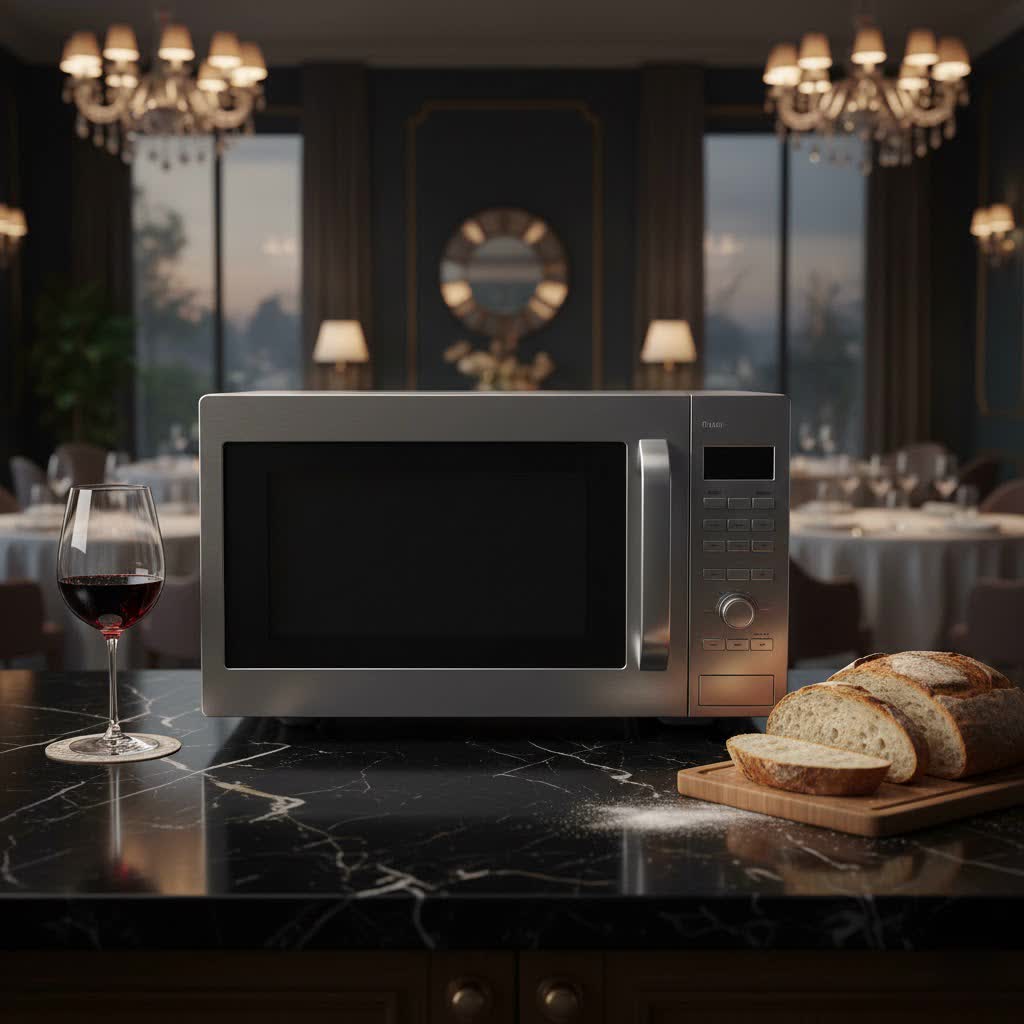
What is a Combination Microwave and Convection Oven?
A combination microwave and convection oven is an innovative kitchen appliance that integrates the functions of both a traditional microwave and a convection oven into a single unit. While standard microwaves use electromagnetic waves to rapidly heat food from the inside out, a convection oven utilizes a heating element and a fan to circulate hot air evenly throughout its cavity, much like a conventional oven. By combining these two distinct cooking methods, a combination oven allows for a broader range of cooking techniques, including baking, roasting, grilling, and crisping, in addition to the familiar tasks of reheating and defrosting. This duality means you can achieve both speed and the desired texture—such as a crispy exterior or a beautifully browned finish—all within one compact appliance.
Types of Combination Microwave and Convection Ovens
Combination microwave and convection ovens come in various configurations, each suited to different kitchen layouts and cooking preferences. Understanding these types can help you narrow down your choices.
By Installation
- Countertop Models: These are freestanding units that sit directly on your kitchen counter. They offer flexibility in placement and are often easier to install.
- Over-the-Range (OTR) Models: Designed to be installed above your cooktop, these units typically include a built-in ventilation system, serving as both an oven/microwave and a range hood.
- Built-in/Wall Oven Combo: These integrated units are designed to fit seamlessly into kitchen cabinetry, offering a sleek, custom look. They can be installed at eye level for convenient access.
|
Our Picks for the Best Microwave Oven in 2026
As an Amazon Associate I earn from qualifying purchases.
|
||
| Num | Product | Action |
|---|---|---|
| 1 | Farberware 1.1 Cu. Ft. Countertop Microwave Oven – 1000 Watt Power, Auto Cook Settings, Defrost, Easy Clean and Child Safety Lock - Stainless |

|
| 2 | BLACK+DECKER EM720CB7 Digital Microwave Oven with Turntable Push-Button Door, Child Safety Lock, 700W, Stainless Steel, 0.7 Cu.ft |
|
| 3 | TOSHIBA EM131A5C-SS Countertop Microwave Ovens 1.2 Cu Ft with 12.4" Removable Turntable Smart Humidity Sensor, 12 Auto Menus Mute Function ECO Mode Easy Clean Interior, 1000W, Silver |
|
| 4 | Chefman Countertop Microwave Oven 0.7 Cu. Ft., 700 Watts with 10 Power Levels, 6 Cooking Presets with One-Touch Express Cook, Eco Mode, Child Safety Lock, & Mute Button - Black |
|
| 5 | Nostalgia Retro Compact Countertop Microwave Oven, 0.7 Cu. Ft. 700-Watts with LED Digital Display, Child Lock, Easy Clean Interior, Aqua |
|
| 6 | TOSHIBA EM131A5C-BS Countertop Microwave Ovens 1.2 Cu Ft, 12.4" Removable Turntable Smart Humidity Sensor 12 Auto Menus Mute Function ECO Mode Easy Clean Interior Black Color 1000W |
|
| 7 | TOSHIBA ML-EM09PA(BS) Small Microwave Oven with 6 Auto Menus, Mute Function & Child Lock, LED Lighting, Perfect for Apartment, 0.9 Cu Ft, 10.6 Inch Removable Turntable, 900W, Black Stainless Steel |
|
| 8 | Beautiful 1.1 Cu Ft 1000W Sensor Microwave Oven – Compact Countertop with Smart Sensor Cooking, 10 Power Levels & Easy Clean Interior – Perfect for Quick Meals, Office & Holiday Hosting |
|
| 9 | Farberware 1.1 Cu. Ft. Countertop Microwave Oven – 1000 Watts Power, Auto Cook Settings, Defrost, Easy Clean and Child Safety Lock - Stainless |
|
| 10 | Farberware 1.1 Cu. Ft. Countertop Microwave Oven – 1000 Watts Power, Auto Cook Settings, Defrost, Easy Clean and Child Safety Lock - Stainless and Black |
|
By Core Functionality
- Basic Combination Ovens: These primarily offer microwave and convection cooking modes. They are excellent for everyday tasks and provide a significant upgrade over a solo microwave.
- Advanced Combination Ovens: Many modern combination ovens include additional functionalities such as:
- Grill/Broil: A top heating element allows for direct browning and crisping, ideal for gratins or cheese on toast.
- Steam Cooking: Utilizes steam to cook food gently, preserving nutrients and moisture, perfect for vegetables or fish.
- Air Fry: Employs high-speed hot air circulation to achieve crispy results with less oil, similar to a dedicated air fryer.
By Technology
- Standard Combination Ovens: These function with traditional heating elements and microwave technology.
- Inverter Technology Ovens: Inverter models deliver a consistent, continuous stream of microwave power, unlike traditional microwaves that cycle on and off. This results in more even cooking and heating, preventing overcooked edges or cold spots, and is often more energy-efficient.
Combination Microwave and Convection Oven vs. Other Appliances
To truly appreciate the value of a combination microwave and convection oven, it’s helpful to compare it with its single-function counterparts.
| Feature / Appliance | Standard Microwave | Convection Oven (Standalone) | Combination Microwave and Convection Oven |
|---|---|---|---|
| Primary Function | Rapid reheating, defrosting | Baking, roasting, grilling | All of the above |
| Cooking Method | Electromagnetic waves | Circulated hot air | Electromagnetic waves + circulated hot air |
| Browning/Crisping | No | Yes | Yes |
| Cooking Speed | Very Fast | Moderate (faster than conventional) | Very Fast (especially combined modes) |
| Space Required | Small | Large | Medium (one appliance for two functions) |
| Cost | Low | Moderate to High | Moderate to High |
| Energy Efficiency | High (for microwave tasks) | Moderate | High (for smaller tasks) |
| Ideal Use | Quick reheating/defrost | Large roasts, full meals | Versatile everyday cooking, small/medium meals |
Benefits of Owning a Combination Microwave and Convection Oven
The appeal of a combination microwave and convection oven extends beyond its impressive technical specifications, offering numerous practical advantages for the home chef.
Unmatched Versatility
This appliance is a true multitasker. It can perform everything from quickly reheating leftovers to perfectly roasting a chicken or baking a batch of cookies. The ability to grill, steam, or air fry in many models further expands your culinary horizons, often making it a viable alternative to multiple countertop appliances.
Space and Time Saving
For kitchens with limited counter or cabinet space, a combination oven is a game-changer. It consolidates the functions of at least two appliances into one, reducing clutter and freeing up valuable real estate. Furthermore, the option to use both microwave and convection cooking simultaneously (known as combi-mode) can significantly cut down cooking times, allowing you to get meals on the table faster.
Enhanced Cooking Quality
Traditional microwaves are notorious for uneven heating and a lack of browning. The convection feature in these ovens remedies this, ensuring even heat distribution for thorough cooking and providing the browning and crisping capabilities essential for many dishes. This means your food not only cooks quickly but also achieves the desired texture and appearance.
Energy Efficiency
For smaller dishes or when you don’t need to heat a large full-sized oven, a combination microwave and convection oven is considerably more energy-efficient. Its smaller cavity heats up faster and uses less electricity than a conventional oven, translating to potential savings on your energy bills.
Modern Features and Smart Technology
Many contemporary combination ovens come equipped with advanced features designed to simplify cooking. These include sensor cooking that automatically adjusts time and power based on food moisture, pre-set auto-cook programs for various dishes, multi-stage cooking that transitions between microwave and convection modes, and even smart connectivity for remote control and recipe guidance.
Potential Drawbacks and Considerations
While combination microwave and convection ovens offer many advantages, it’s important to be aware of their potential limitations to make an informed decision.
Higher Initial Cost
Combination ovens are generally more expensive than basic standalone microwaves. The advanced technology and dual functionality contribute to a higher upfront investment, though their versatility and long-term energy savings can often justify the cost.
Capacity Limitations
Despite their multifunctionality, most combination ovens have a smaller internal capacity than full-sized conventional ovens. This might pose a challenge for large families, entertaining big groups, or preparing very large roasts or multiple dishes simultaneously.
Learning Curve
With an array of modes, settings, and functions, combination ovens can have a steeper learning curve than simple microwaves. It may take some time to master all the features and understand how best to utilize the combination cooking modes for optimal results.
Specific Baking Results
While excellent for many baked goods, some users find that combination ovens may not always achieve the exact texture of certain items, like fresh-baked pizzas with a perfectly crisp bottom crust or specific delicate pastries, as consistently as a dedicated conventional oven with specialized heating elements.
How to Choose the Best Combination Microwave and Convection Oven
Selecting the ideal combination microwave and convection oven requires careful consideration of your specific needs, cooking habits, and kitchen environment.
Assess Your Cooking Needs and Habits
Start by thinking about how you cook. Do you mostly reheat, or do you frequently bake, roast, or grill? How many people do you typically cook for? Your answers will guide your choices in capacity, power, and features.
Determine the Right Capacity
Oven capacity is measured in liters or cubic feet.
- Small (under 20 liters / 0.7 cu. ft.): Best for singles or couples, ideal for reheating and small meals.
- Medium (20-30 liters / 0.7-1.1 cu. ft.): Suitable for small families (3-4 people), offering enough space for most daily cooking, baking, and grilling.
- Large (over 30 liters / 1.1 cu. ft.): Ideal for larger families or those who frequently cook bigger meals, roasts, or multiple dishes. Combination ovens often fall into this category due to their varied cooking abilities.
Consider Power and Wattage
Look at both microwave wattage (typically 900W to 1200W) and convection power. Higher microwave wattage generally means faster cooking, while robust convection power ensures more effective baking, roasting, and browning.
Evaluate Key Features
- Auto-Cook and Sensor Cooking: These functions simplify cooking by automatically adjusting settings for various food types and weights.
- Multi-Stage Cooking: Allows you to program sequential cooking steps (e.g., defrost, then microwave, then grill).
- Grill, Steam, or Air Fry Functions: Decide if these additional cooking modes are valuable for your cooking style.
- Child Lock: An essential safety feature if you have young children.
- Interior Material: Ceramic enamel or stainless steel interiors are often easier to clean and more durable.
- Accessories: Check for included trays, racks, or crisp plates that enhance functionality.
Installation Type
Decide whether a countertop, over-the-range, or built-in model best suits your kitchen layout and aesthetic preferences. Built-in models require professional installation and careful measurement of cabinet dimensions.
Brand Reputation and Reviews
Research reputable brands known for quality and reliability in kitchen appliances, such as Panasonic, Samsung, Breville, LG, Sharp, GE Profile, and Bosch. Reading user reviews can provide real-world insights into performance and durability.
Budget
Combination ovens vary widely in price. Set a budget beforehand and look for the best features and capacity within that range. Remember that a higher initial investment might pay off in versatility and efficiency over time.
Top Combination Microwave and Convection Oven Models
While specific models evolve, certain brands consistently deliver high-quality combination microwave and convection ovens:
- Panasonic HomeChef Series: Often praised for its inverter technology, ensuring even cooking and precise power control.
- Breville Combi Wave 3-in-1: Known for its versatility, frequently incorporating air frying and grilling functions in addition to microwave and convection.
- Samsung Models: Many Samsung units feature intuitive smart sensors, ceramic enamel interiors for easy cleaning, and integrated smart features.
- LG and GE Profile: Offer robust built-in and over-the-range options with advanced cooking technologies and larger capacities suitable for family use.
Tips for Using and Maintaining Your Combination Oven
To maximize the performance and lifespan of your combination microwave and convection oven, proper usage and maintenance are key.
- Read the Manual: Always consult your appliance’s instruction manual. It provides specific guidance on using different cooking modes, recommended accessories, and safety precautions.
- Utilize Combined Modes: Experiment with the combination microwave and convection settings to reduce cooking times for dishes that benefit from both rapid heating and browning.
- Appropriate Cookware: Use microwave-safe, oven-safe, and convection-safe cookware as recommended by the manufacturer. Metal racks are typically safe during convection or grill modes but must be removed during microwave-only cooking.
- Regular Cleaning: Wipe down the interior regularly with a damp cloth and mild detergent to prevent food buildup. For stubborn grime, many models have steam clean functions or non-stick coatings. Ensure the turntable and any racks are also cleaned.
- Ventilation: Ensure adequate ventilation around countertop models and clear the vent filters on over-the-range units.
- Safety First: Never operate the oven if the door is damaged or doesn’t close properly. Always supervise cooking, especially when using high-temperature convection or grill settings.
Common Issues and Troubleshooting
Like any appliance, combination ovens can encounter issues.
- Uneven Cooking/Browning: Ensure you are using the correct mode (convection for browning) and not overcrowding the oven. Sometimes rotating the dish can help.
- Food Not Defrosting Properly: Verify that you’ve entered the correct weight and food type for auto-defrost settings. If using manual, adjust time and power as needed.
- Oven Not Heating: Check power supply and ensure the door is fully closed. If the issue persists, a technical fault might require professional service.
- Excessive Smoke/Odor: This can sometimes occur during initial use due to manufacturing residues or if food spills are burning. Clean the interior thoroughly. If the problem continues, contact customer support.
Conclusion
The combination microwave and convection oven is a remarkably versatile and efficient appliance, perfectly suited for the demands of modern living. It offers an unparalleled blend of speed, functionality, and space-saving design, transforming your kitchen into a more dynamic and capable culinary space. Whether you’re a busy professional seeking quick meals, a home chef exploring new recipes, or simply looking to maximize your kitchen’s potential, investing in a high-quality combination oven can dramatically enhance your cooking experience. By understanding its features, benefits, and how to choose the right model, you can unlock a world of culinary possibilities right in your home.
Frequently Asked Questions
Can a combination microwave and convection oven replace a full-size oven?
For many households, especially those with smaller families or limited space, a combination microwave and convection oven can effectively replace a full-size oven for most everyday cooking, baking, and roasting tasks. However, its smaller capacity might be a limitation for very large meals or multiple dishes simultaneously.
What foods can you cook in a combination microwave and convection oven?
You can cook a vast array of foods, including roasted meats and vegetables, baked goods like cakes, cookies, and casseroles, grilled items such as sandwiches or gratins, and of course, all standard microwave tasks like reheating and defrosting. Many models also support air frying for crispy foods or steaming for healthier options.
Are combination microwave and convection ovens energy efficient?
Yes, they are generally more energy-efficient than full-sized conventional ovens for cooking smaller dishes. Because they heat a smaller cavity, they preheat faster and consume less electricity, making them an economical choice for daily cooking.
Is a combination microwave and convection oven worth the investment?
For those seeking versatility, space-saving solutions, and faster cooking times without sacrificing quality, a combination microwave and convection oven is often a worthwhile investment. Its ability to perform multiple cooking functions in one unit justifies the higher initial cost for many users.
What is the difference between a convection microwave and an air fryer?
A convection microwave combines microwave heating with convection heating (fan and heating element for circulating hot air), allowing for baking, roasting, and quick reheating. An air fryer is a type of convection oven specifically designed to cook food by circulating very hot air to create a crispy, fried-like texture with minimal oil. Some advanced combination microwaves now include an air fry function, blurring the lines between the two.
