Choosing a new microwave oven can be a daunting task, with countless brands and features vying for your attention. But what if your primary goal is reliable, no-frills performance without breaking the bank? This guide dives deep into Emerson microwave ovens, exploring their history, market position, and what you can expect from these popular, budget-friendly appliances. Discover if an Emerson microwave is the perfect fit for your compact kitchen, dorm room, or office space.
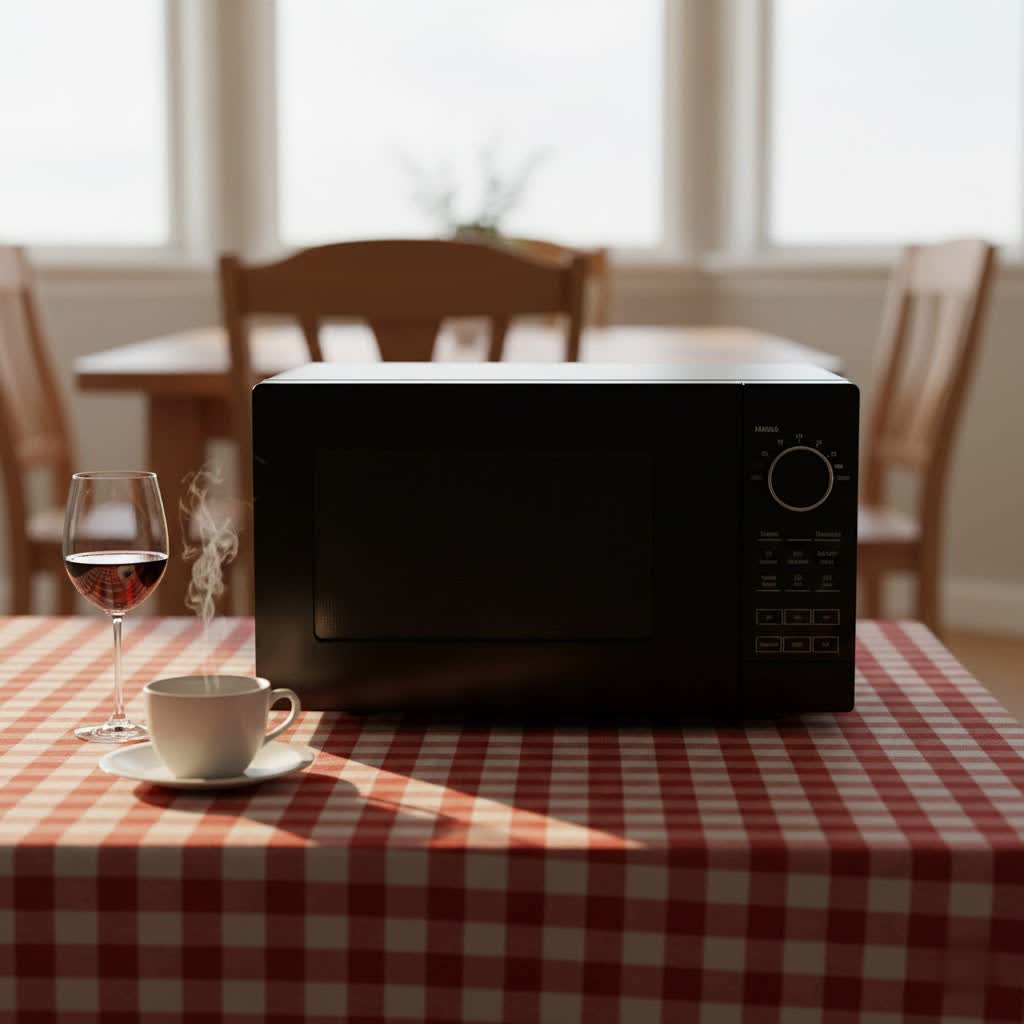
What is a Microwave Oven? Basic Operating Principles
A microwave oven is a kitchen appliance that heats food by exposing it to electromagnetic radiation in the microwave frequency range. This method rapidly heats water molecules within the food, making it an efficient tool for cooking, reheating, and defrosting. The fundamental principle involves a magnetron tube converting electrical energy into microwaves, which are then directed into a sealed cooking chamber, causing food’s water content to vibrate and generate heat from within. The invention of the microwave oven in the mid-20th century revolutionized food preparation, offering unprecedented speed and convenience.
Emerson: Brand History and Current Market Position
The Emerson name, originally associated with Emerson Electric Co., has a long history in various industries, including consumer electronics. While Emerson Electric Co. itself largely exited the direct consumer appliance market years ago, the “Emerson” brand for microwave ovens is now primarily used under license by other manufacturers. This strategy allows the brand to persist, often focusing on the value-oriented, entry-level segment of the market. Consequently, Emerson microwaves are widely recognized for their affordability and straightforward functionality, catering to consumers who prioritize basic performance and cost-effectiveness over advanced features or premium designs. They typically appeal to students, individuals with small living spaces, or those needing a secondary microwave.
Types of Emerson Microwave Ovens
Emerson microwave ovens predominantly fall into the compact, countertop category, designed for convenience and space-saving. They are generally distinguished by their wattage and capacity, rather than a wide array of specialized functions.
- Basic Functionality Models: These are the most common Emerson microwaves, offering essential features like reheating, defrosting, and simple cooking. They usually come with a digital display, various power levels, and often a few one-touch preset buttons for common items like popcorn or pizza. Their design is typically utilitarian and practical.
- Compact with Pre-set Programs: While still focused on fundamental tasks, some Emerson models include a slightly expanded range of pre-programmed cooking options. These might include specific settings for beverages, potatoes, or frozen vegetables, aiming to simplify the cooking process for everyday meals. Capacity usually ranges from 0.7 to 1.1 cubic feet, making them ideal for single servings or small families.
Comparison Table: Emerson vs. Standard Basic Models
Understanding where Emerson stands requires a brief comparison with other basic microwave offerings.
| Feature | Emerson (Typical) | Basic Major Brand (e.g., GE, Toshiba) |
|---|---|---|
| Price Range | $50 – $90 | $80 – $150 |
| Capacity | 0.7 – 1.1 cu ft | 0.7 – 1.3 cu ft |
| Wattage | 700 – 1000W | 700 – 1100W |
| Key Features | Digital display, 10 power levels, 6-8 pre-sets, child lock, turntable | Digital display, 10 power levels, 8-10 pre-sets, child lock, express cook, turntable |
| Durability | Good for price, functional, but may not last as long as premium models | Generally reliable, often perceived as slightly more robust |
| Warranty/Support | Varies by licensed manufacturer, often standard 1-year | Standard 1-year, often with more accessible customer service |
| Target User | Budget-conscious, compact spaces, basic needs | Budget to mid-range, basic to slightly more features, small to medium families |
How to Choose the Right Emerson Microwave Oven
Selecting an Emerson microwave means prioritizing fundamental functionality and value. Consider these factors to ensure you pick the best model for your specific requirements.
- Determine Your Usage Needs: Think about how often and for what purpose you’ll use the microwave. If it’s mainly for reheating leftovers, defrosting ingredients, or popping popcorn, a basic Emerson model will suffice. For more intensive cooking, you might consider a slightly higher wattage or a model with more dedicated cooking programs, though Emerson excels at the essentials.
- Assess Capacity Requirements: Emerson microwaves are generally compact. A 0.7 cubic feet model is perfect for single individuals, dorm rooms, or small offices, easily accommodating a dinner plate. For a small family of 2-3 people, a 0.9 to 1.1 cubic feet model might offer a bit more flexibility without taking up too much counter space.
- Consider the Wattage: Wattage directly correlates with cooking power and speed. Most Emerson models range from 700 to 1000 watts. A 700W unit is adequate for basic tasks but will take longer to heat food. An 800W or 900W model offers a good balance of speed and efficiency for everyday use, while 1000W provides faster cooking times, though these are less common in the ultra-budget Emerson range.
- Look for Convenient Features: Even within the budget category, some features can enhance usability. A clear digital display, intuitive control panel, one-touch preset buttons for common foods, and a child safety lock are all practical additions to look for. A removable glass turntable is standard and essential for even heating and easy cleaning.
- Manage Reliability Expectations: As a budget-friendly brand produced under license, Emerson microwaves offer excellent value. While they perform well for their intended purpose, it’s wise to have realistic expectations regarding their longevity compared to high-end, premium brands. For the price, they deliver consistent performance for several years, making them a worthwhile investment for basic needs.
Top Emerson Microwave Oven Models (General Overview)
While specific model numbers can change frequently, Emerson consistently offers popular compact microwave designs that share common characteristics and appeal.
- The Compact Workhorse (e.g., 0.7 cu ft, 700W): These models are the epitome of Emerson’s offering. They feature simple push-button controls, a digital timer, 10 power levels, and usually 6 pre-programmed settings (popcorn, potato, pizza, beverage, frozen vegetable, dinner plate). They are incredibly space-efficient, making them perfect for tight kitchens, RVs, or small apartments. Their main advantages are their low price and small footprint.
- The Slightly Larger Option (e.g., 0.9 – 1.1 cu ft, 900W): For those needing a bit more interior space or faster cooking, Emerson provides models in this range. They often maintain the same user-friendly interface as their smaller counterparts but offer increased wattage and capacity. These are suitable for small families or individuals who frequently cook larger portions. They still retain the budget-friendly pricing that Emerson is known for, offering a step up in power and space without a significant cost increase.
These models consistently rank well among users looking for affordable, straightforward microwaves. They deliver on their promise of basic, reliable functionality, making them a go-to choice for value-conscious consumers.
How to Use and Maintain Your Emerson Microwave Oven Correctly
Proper usage and regular maintenance are crucial for extending the lifespan of any appliance, including your Emerson microwave. Following these guidelines will ensure safe and efficient operation.
- Familiarize Yourself with Controls: Read your microwave’s manual to understand its specific power levels, pre-set functions, and timing options. Most Emerson models have a straightforward interface, but knowing your unit’s particular settings can optimize cooking results.
- Use Microwave-Safe Cookware: Always use dishes made from glass, ceramic, or plastic specifically labeled as microwave-safe. Avoid metal, aluminum foil (unless explicitly directed by the manual for specific functions), or dishes with metallic trim, as these can cause arcing and damage to the appliance.
- Avoid Overloading: Do not try to cook excessively large or dense items that push the microwave’s capacity. Overloading can lead to uneven heating and strain the magnetron.
- Regular Cleaning is Key: Food splatters are inevitable. Wipe down the interior of your microwave regularly with a damp cloth and mild detergent. For stubborn stains, heat a bowl of water with lemon juice or vinegar for a few minutes, allowing the steam to loosen grime before wiping.
- Keep the Door Seal Clean: Ensure the door seal is free of food debris to maintain a tight seal, which is essential for efficient and safe operation.
- Don’t Run Empty: Never operate your microwave when it’s empty, as this can damage the magnetron. Always have food or a cup of water inside when in use.
- Address Odors: If lingering food odors become an issue, place a bowl of water with a few lemon slices or a tablespoon of baking soda inside and microwave it for 3-5 minutes. Let it sit for a few more minutes before wiping clean.
“Many common microwave issues can be prevented with simple, consistent cleaning and adherence to basic operating instructions. A clean microwave isn’t just hygienic; it operates more efficiently and lasts longer.” – Sarah Chen, Appliance Repair Technician
Common Issues with Microwave Ovens and How to Troubleshoot
Even reliable appliances can encounter occasional hiccups. While Emerson microwaves are generally simple, you might experience a few common problems. Here’s how to approach them.
- Microwave Not Heating: This is often the most frustrating issue. First, ensure the door is fully closed and latched. A faulty door switch is a common culprit. If the light comes on and the turntable spins but no heat, it could indicate a magnetron issue or a blown fuse. For magnetron problems, professional repair or replacement is usually necessary.
- Turntable Not Spinning: Check that the turntable plate is correctly seated on the rotating ring and spindle. Food debris or spills under the turntable assembly can also impede movement. Clean the area thoroughly. If it still doesn’t spin, the motor may be faulty, which might require a replacement part.
- Buttons Not Responding: A non-responsive keypad can sometimes be resolved by unplugging the microwave for a few minutes to reset its internal computer. If the problem persists, the control panel itself might be defective, which is typically a more complex repair.
- Excessive Noise: A humming or buzzing sound is normal during operation. However, loud grinding or rattling could indicate a problem with the turntable motor, fan, or other internal components. Check for loose parts inside.
- Sparks or Arcing: Immediately turn off and unplug the microwave. This is usually caused by metallic objects inside the oven, dishes with metallic trim, or chipped enamel inside the cavity. Ensure only microwave-safe cookware is used and clean any burnt-on food particles from the interior.
For persistent or complex issues, especially those involving electrical components, it’s generally safer and more cost-effective to consider replacing an Emerson microwave due to their affordable price point, rather than incurring potentially high repair costs.
Conclusion
Emerson microwave ovens carve out a significant niche in the appliance market by offering reliable, no-frills performance at an exceptionally accessible price. While they may not boast the cutting-edge features or premium finishes of higher-end brands, their focus on core functionalities—reheating, defrosting, and basic cooking—makes them an excellent choice for a specific user base. Whether you’re furnishing a small apartment, outfitting a dorm room, or simply seeking a secondary microwave for the office, an Emerson microwave oven provides a dependable and cost-effective solution. By understanding its strengths and managing your expectations regarding advanced features, you can make an informed decision and enjoy years of convenient microwave cooking. Is an Emerson microwave oven the perfect fit to simplify your daily meal preparation?
Frequently Asked Questions
Is Emerson a good brand for microwave ovens?
|
Our Picks for the Best Microwave Oven in 2026
As an Amazon Associate I earn from qualifying purchases.
|
||
| Num | Product | Action |
|---|---|---|
| 1 | Farberware 1.1 Cu. Ft. Countertop Microwave Oven – 1000 Watt Power, Auto Cook Settings, Defrost, Easy Clean and Child Safety Lock - Stainless |

|
| 2 | Chefman Countertop Microwave Oven 0.7 Cu. Ft., 700 Watts with 10 Power Levels, 6 Cooking Presets with One-Touch Express Cook, Eco Mode, Child Safety Lock, & Mute Button - Black |
|
| 3 | Farberware 1.1 Cu. Ft. Countertop Microwave Oven – 1000 Watts Power, Auto Cook Settings, Defrost, Easy Clean and Child Safety Lock - Stainless and Black |
|
| 4 | BLACK+DECKER EM720CB7 Digital Microwave Oven with Turntable Push-Button Door, Child Safety Lock, 700W, Stainless Steel, 0.7 Cu.ft |
|
| 5 | TOSHIBA EM131A5C-SS Countertop Microwave Ovens 1.2 Cu Ft with 12.4" Removable Turntable Smart Humidity Sensor, 12 Auto Menus Mute Function ECO Mode Easy Clean Interior, 1000W, Silver |
|
| 6 | Nostalgia Retro Compact Countertop Microwave Oven, 0.7 Cu. Ft. 700-Watts with LED Digital Display, Child Lock, Easy Clean Interior, Aqua |
|
| 7 | TOSHIBA EM131A5C-BS Countertop Microwave Ovens 1.2 Cu Ft, 12.4" Removable Turntable Smart Humidity Sensor 12 Auto Menus Mute Function ECO Mode Easy Clean Interior Black Color 1000W |
|
| 8 | Beautiful 1.1 Cu Ft 1000W Sensor Microwave Oven – Compact Countertop with Smart Sensor Cooking, 10 Power Levels & Easy Clean Interior – Perfect for Quick Meals, Office & Holiday Hosting |
|
| 9 | Farberware 1.1 Cu. Ft. Countertop Microwave Oven – 1000 Watts Power, Auto Cook Settings, Defrost, Easy Clean and Child Safety Lock - Stainless |
|
| 10 | TOSHIBA ML-EM09PA(BS) Small Microwave Oven with 6 Auto Menus, Mute Function & Child Lock, LED Lighting, Perfect for Apartment, 0.9 Cu Ft, 10.6 Inch Removable Turntable, 900W, Black Stainless Steel |
|
Emerson is generally considered a good brand for budget-friendly and compact microwave ovens. While not a premium brand, they offer reliable basic functionality for reheating, defrosting, and simple cooking tasks, making them a popular choice for value-conscious consumers, dorm rooms, or small kitchens.
Who makes Emerson microwaves now?
Emerson microwave ovens are currently manufactured and sold under license by various third-party companies, as Emerson Electric Co. largely exited the consumer electronics market. This licensing model allows the “Emerson” brand name to continue offering affordable kitchen appliances.
How long do Emerson microwaves typically last?
The lifespan of an Emerson microwave oven can vary, but generally, you can expect them to last anywhere from 3 to 7 years with regular use and proper maintenance. Their longevity is comparable to other budget-friendly appliances, offering good value for their price point.
What size Emerson microwave should I get for a small apartment?
For a small apartment, a compact Emerson microwave between 0.7 to 0.9 cubic feet is usually ideal. This size efficiently handles standard dinner plates and most basic cooking needs without taking up excessive counter space, fitting perfectly into tighter living areas.
Can Emerson microwaves handle heavy-duty cooking?
Emerson microwaves are primarily designed for light to moderate use, such as reheating, defrosting, and simple cooking. For heavy-duty cooking, frequent use, or advanced culinary tasks, you might consider higher-wattage models from premium brands that offer more robust construction and specialized features.
