In today’s dynamic culinary landscape, where efficiency meets sophisticated design, modern kitchens demand appliances that deliver both performance and aesthetic appeal. The built-in combination microwave oven stands out as a powerful solution, offering a harmonious blend of versatility and space-saving integration. This comprehensive guide will navigate you through the world of these innovative appliances, detailing their functionalities, various types, key benefits, and providing an expert framework to help you select the perfect model that aligns with your household’s unique cooking demands and stylistic preferences.
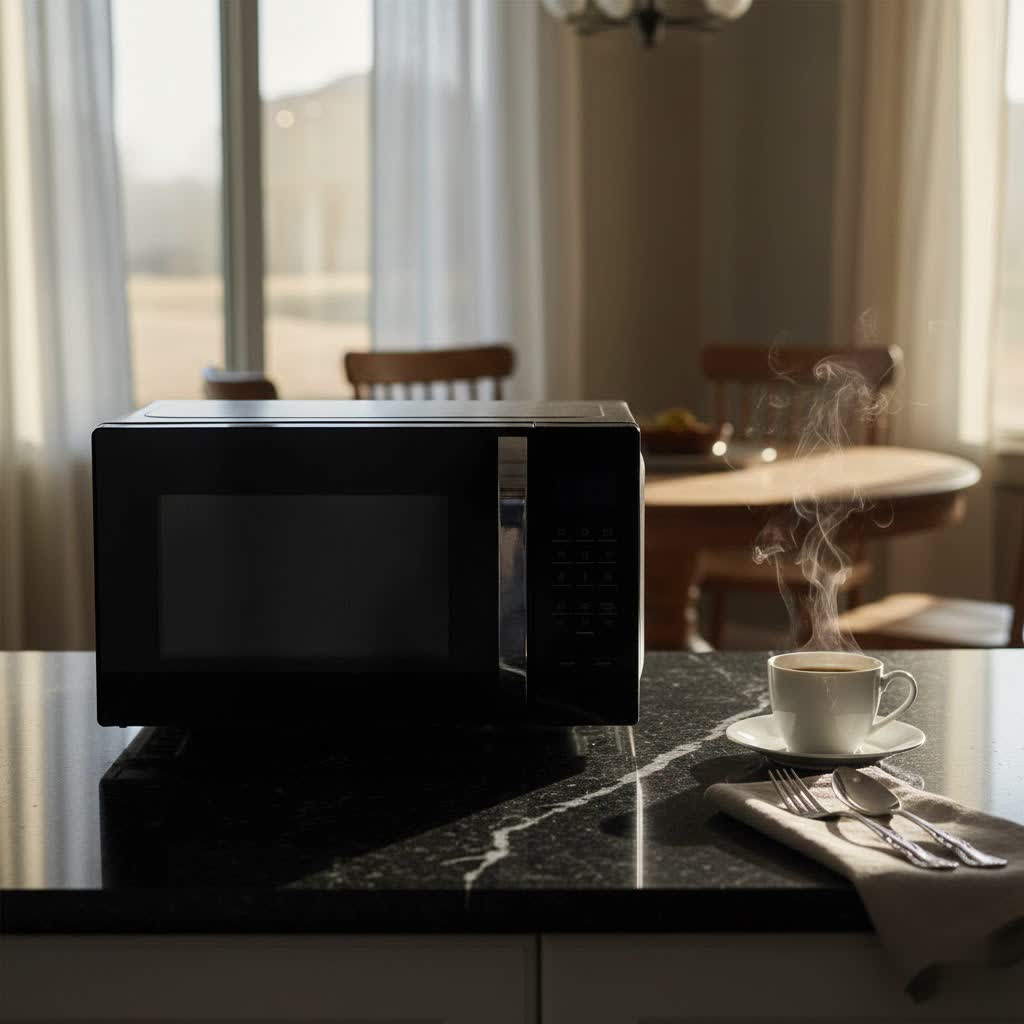
What is a Built-in Combination Microwave Oven? Basic Operating Principle
A built-in combination microwave oven is an integrated kitchen appliance that seamlessly merges the rapid heating capabilities of a microwave with the traditional cooking functions of a conventional oven, all housed within a single, sleek unit designed to fit into your cabinetry. Unlike standalone units, these ovens are installed directly into your kitchen design, creating a custom, high-end appearance.
At its core, this appliance operates by combining different heating methods. The microwave component uses magnetrons to generate electromagnetic waves that agitate water molecules in food, causing it to heat up quickly. Simultaneously, the conventional oven features typically include heating elements and often a convection fan, which circulates hot air for even baking, roasting, and broiling. Many advanced models, sometimes called “speed ovens,” also integrate radiant or halogen heat, allowing them to brown, crisp, and cook foods at speeds significantly faster than a traditional oven, bypassing the need for preheating. This multi-modal approach enables a single appliance to perform a vast array of cooking tasks, from simple reheating to complex gourmet meals.
Types of Built-in Combination Microwave Ovens on the Market
The market offers a diverse range of built-in combination microwave ovens, each tailored to specific cooking needs and preferences. Understanding these classifications is crucial for making an informed decision.
- Standard Combination Microwave Ovens: These models combine basic microwave functions (reheating, defrosting) with fundamental conventional oven capabilities like baking and roasting. They are an excellent entry point for those seeking improved functionality and a streamlined kitchen aesthetic without needing highly specialized features.
- Convection Combination Microwave Ovens: Elevating performance, these units incorporate convection technology into both the microwave and conventional oven sections. A fan circulates hot air, ensuring more even cooking, faster times, and superior browning and crisping results for dishes like roasted vegetables, poultry, and baked goods.
- Speed Ovens (Advantium Technology): Representing the pinnacle of combination cooking, speed ovens integrate microwave, convection, and intense radiant or halogen heat. This powerful trio allows for oven-quality results in a fraction of the time, often two to four times faster than conventional ovens, making them ideal for busy households that prioritize speed without compromising taste or texture.
- Steam Combination Microwave Ovens: For health-conscious cooks, some high-end combination ovens include steam cooking capabilities. This feature allows for gentle cooking that retains nutrients and moisture, perfect for delicate foods like fish and vegetables, or for rejuvenating leftovers.
Primarily, built-in combination microwave ovens are designed as vertical wall units, where the microwave is typically positioned above the conventional oven. This vertical configuration optimizes kitchen workflow and space, making them a cornerstone of modern kitchen design.
Comparison: Built-in Combination vs. Standalone Appliances
Choosing between a built-in combination microwave oven and separate standalone appliances involves weighing several factors, from space efficiency to overall cost and cooking flexibility.
| Feature | Built-in Combination Oven | Separate Oven + Microwave | Standalone Speed Oven (often smaller) |
|---|---|---|---|
| Space | Highly space-efficient, integrated into cabinetry | Requires separate space for each, often countertop for microwave | Space-saving, but typically smaller capacity than combo ovens |
| Aesthetics | Seamless, modern, custom look | Can appear disjointed, less integrated | Modern, sleek, but may require a trim kit for built-in look |
| Cost | Higher upfront investment | Generally lower initial cost | Can be expensive, similar to or more than some combo units |
| Versatility | High; combined functions, often with advanced modes | High; flexibility to choose different models, but takes more space | High; very fast cooking, but oven capacity is limited |
| Repair | More complex; if one component fails, both may be affected | Independent repairs, less disruption | Less complex than a combo oven; may be simpler to service |
Built-in combination ovens shine in creating a cohesive, high-end kitchen aesthetic while freeing up valuable countertop space. However, they demand a larger initial investment and professional installation. Separate appliances offer more flexibility in component selection and potentially lower individual repair costs but sacrifice the integrated look and require more physical space. Standalone speed ovens provide exceptional speed but typically come with smaller oven capacities, making them less suitable as a primary family oven.
Guide to Choosing the Right Built-in Combination Microwave Oven
Selecting the perfect built-in combination microwave oven requires careful consideration of your lifestyle, cooking habits, and kitchen design.
Determine Your Cooking Needs
|
Our Picks for the Best Microwave Oven in 2026
As an Amazon Associate I earn from qualifying purchases.
|
||
| Num | Product | Action |
|---|---|---|
| 1 | TOSHIBA ML-EM09PA(BS) Small Microwave Oven with 6 Auto Menus, Mute Function & Child Lock, LED Lighting, Perfect for Apartment, 0.9 Cu Ft, 10.6 Inch Removable Turntable, 900W, Black Stainless Steel |

|
| 2 | BLACK+DECKER EM720CB7 Digital Microwave Oven with Turntable Push-Button Door, Child Safety Lock, 700W, Stainless Steel, 0.7 Cu.ft |
|
| 3 | TOSHIBA EM131A5C-SS Countertop Microwave Ovens 1.2 Cu Ft with 12.4" Removable Turntable Smart Humidity Sensor, 12 Auto Menus Mute Function ECO Mode Easy Clean Interior, 1000W, Silver |
|
| 4 | Chefman Countertop Microwave Oven 0.7 Cu. Ft., 700 Watts with 10 Power Levels, 6 Cooking Presets with One-Touch Express Cook, Eco Mode, Child Safety Lock, & Mute Button - Black |
|
| 5 | Farberware 1.1 Cu. Ft. Countertop Microwave Oven – 1000 Watt Power, Auto Cook Settings, Defrost, Easy Clean and Child Safety Lock - Stainless |
|
| 6 | Farberware 1.1 Cu. Ft. Countertop Microwave Oven – 1000 Watts Power, Auto Cook Settings, Defrost, Easy Clean and Child Safety Lock - Stainless and Black |
|
| 7 | TOSHIBA EM131A5C-BS Countertop Microwave Ovens 1.2 Cu Ft, 12.4" Removable Turntable Smart Humidity Sensor 12 Auto Menus Mute Function ECO Mode Easy Clean Interior Black Color 1000W |
|
| 8 | Farberware 1.1 Cu. Ft. Countertop Microwave Oven – 1000 Watts Power, Auto Cook Settings, Defrost, Easy Clean and Child Safety Lock - Stainless |
|
| 9 | Nostalgia Retro Compact Countertop Microwave Oven, 0.7 Cu. Ft. 700-Watts with LED Digital Display, Child Lock, Easy Clean Interior, Aqua |
|
| 10 | Beautiful 1.1 Cu Ft 1000W Sensor Microwave Oven – Compact Countertop with Smart Sensor Cooking, 10 Power Levels & Easy Clean Interior – Perfect for Quick Meals, Office & Holiday Hosting |
|
Begin by assessing how you cook. Do you frequently bake and roast for a large family, or do you mostly reheat meals and prepare quick snacks?
“Understanding your daily cooking routine and the types of dishes you prepare most often is the first step to choosing an appliance that truly meets your needs.”
Consider your family size and how often you entertain. This will influence the capacity and features you prioritize. If you frequently make complex meals, features like multiple cooking modes and precision temperature control will be invaluable.
Capacity and Size
Built-in combination ovens typically come in standard widths, most commonly 27 inches or 30 inches, to fit standard cabinet cutouts. The microwave component usually offers a capacity between 1.4 to 2.2 cubic feet, while the total oven capacity can range from 5 to 7 cubic feet.
- Small families (1-2 people): A 27-inch model with a smaller total capacity might suffice.
- Medium families (3-4 people): A 30-inch model with mid-range capacity (around 5.5-6 cu ft) is often ideal.
- Large families or frequent entertainers: Look for 30-inch models with larger capacities (6.4-7 cu ft) to accommodate bigger dishes and multiple items.
Ensure you measure your cabinet cutout precisely before purchasing to guarantee a perfect fit.
Power and Performance
Microwave wattage typically ranges from 800W to 1250W. Higher wattage generally means faster cooking and reheating. For the oven, consider models with robust convection systems for even heating and quick preheating. Speed oven capabilities, if desired, will provide rapid cooking through a combination of heating methods.
Essential Features
Modern built-in combination ovens boast an array of convenient features:
- Preset Cooking Programs: Simplify cooking for common dishes with pre-programmed settings.
- Sensor Cooking: Automatically adjusts cooking time and power based on food moisture levels.
- Child Lock: Essential for household safety.
- Delayed Start: Allows you to set the oven to start cooking at a later time.
- Self-Cleaning/Steam Clean: Reduces manual effort for oven maintenance.
- Smart Features: Wi-Fi connectivity and app control for remote monitoring, recipe access, and control from your smartphone.
- Air Fry, Steam, Broil: Additional cooking modes that expand your culinary possibilities.
Aesthetics and Design
Since these are built-in appliances, their appearance is paramount to your kitchen’s overall design.
- Finish: Stainless steel is classic and popular, but black stainless steel, black, and other finishes are available to match your existing appliances.
- Control Type: Options include touch controls for a sleek, minimalist look, or traditional dial and button interfaces for tactile feedback.
- Cohesive Look: Consider brands that offer matching ranges, refrigerators, and dishwashers for a unified kitchen aesthetic.
Brand Reputation and Reviews
Invest in reputable brands known for their quality, durability, and customer support. Leading manufacturers include Whirlpool, GE Profile, KitchenAid, LG, Bosch, Sharp, Panasonic, Siemens, AEG, Frigidaire, and Café. Always read user reviews to get real-world insights into performance, reliability, and ease of use. Pay attention to comments regarding customer service and warranty.
Installation Considerations
Built-in units require professional installation to ensure proper electrical connections, ventilation, and a secure fit within your cabinetry. Always check the manufacturer’s installation guidelines, including specific cutout dimensions and clearance requirements, to avoid costly mistakes. Adequate ventilation is crucial for the longevity and efficient operation of the appliance.
Top Popular Built-in Combination Microwave Oven Models
While specific models evolve yearly, popular built-in combination microwave ovens consistently feature innovations that enhance cooking convenience and efficiency. Many top-rated units boast advanced convection systems that allow for precise multi-rack baking and roasting, often paired with rapid preheating functionalities. Smart technology is a prevalent highlight, with models offering Wi-Fi connectivity, app-based control for remote monitoring, and extensive libraries of pre-programmed recipes.
High-end models frequently incorporate “speed oven” technology, utilizing a combination of microwave, convection, and radiant heat to drastically cut down cooking times while achieving conventional oven-quality results, perfect for busy households. Sensor cooking is another sought-after feature, intelligently adjusting cooking parameters to ensure optimal results without guesswork. Brands like LG and GE Profile are often praised for their sleek designs and integrated smart features, while others like Bosch and KitchenAid are recognized for robust performance and durability. Many popular options also include easy-to-clean interiors, fingerprint-resistant finishes, and user-friendly touch controls, making them both highly functional and aesthetically pleasing additions to any modern kitchen.
How to Use and Maintain Your Built-in Combination Microwave Oven Correctly
Proper usage and consistent maintenance are key to maximizing the lifespan and performance of your built-in combination microwave oven.
Operating Instructions
- Understand Modes: Familiarize yourself with the various cooking modes—microwave, convection bake, grill, speed cook, and any combination settings. Refer to your owner’s manual for detailed instructions on each.
- Cookware Safety: Always use microwave-safe dishes when in microwave mode. For oven and combination modes, use oven-safe bakeware. Avoid metal in the microwave unless specifically instructed by the manufacturer for certain combination modes (e.g., grilling elements).
- Preheat: Allow the oven section to preheat fully for baking and roasting to ensure even cooking results, unless using a speed cook feature designed to bypass preheating.
- Don’t Overload: Avoid overcrowding the oven or microwave, as this can lead to uneven cooking.
Cleaning and Care
- Regular Wiping: After each use, wipe down the interior of both the microwave and oven cavities with a damp cloth to remove food splatters and spills. This prevents food from baking onto surfaces, making cleaning more difficult later.
- Deep Cleaning: Utilize the oven’s self-cleaning or steam-clean functions as recommended by the manufacturer. For the microwave, a bowl of water with lemon juice heated for a few minutes can loosen stubborn grime, making it easier to wipe away.
- Exterior: Clean the exterior with a soft cloth and mild detergent. For stainless steel, use a specialized cleaner to maintain its shine and prevent fingerprints.
- Turntable: Remove and wash the glass turntable and support ring regularly with warm, soapy water.
Safety Tips
- Ventilation: Ensure the appliance’s ventilation openings are not blocked. Proper airflow is vital for safe and efficient operation.
- No Metal in Microwave: Unless explicitly stated for a specific combination cooking mode (like a crisping plate or grill rack), avoid placing metal objects in the microwave.
- Child Lock: Engage the child lock feature to prevent accidental operation, especially if you have young children.
- Stand Clear: When opening the oven or microwave door, stand clear to avoid hot steam.
Common Problems with Built-in Combination Microwave Ovens and Their Solutions
Even high-quality appliances can encounter issues. Knowing common problems and their potential solutions can save you time and frustration.
- Uneven Heating (Microwave): If food heats unevenly, ensure the turntable is functioning correctly and not overloaded. Inverter technology can help with more consistent heating. Check if the power level is set appropriately for the food type.
- Microwave Not Heating: This could be due to a faulty door latch, a blown fuse, or a more serious issue with the magnetron. Check the door first; if it doesn’t latch properly, the microwave won’t operate. For fuse or magnetron problems, professional service is usually required.
- Oven Not Reaching Temperature: This might indicate a problem with the heating elements, the temperature sensor, or calibration issues. Ensure the oven door is fully closed. For persistent problems, a technician may need to recalibrate or replace components.
- Control Panel Issues: If buttons are unresponsive or the display is erratic, try resetting the appliance by turning off its circuit breaker for a few minutes, then turning it back on. If the issue persists, the control panel itself might need servicing.
- Error Codes: Modern ovens often display error codes. Consult your owner’s manual for the meaning of specific codes and recommended troubleshooting steps.
- Loud Noises: Unusual noises could be caused by a worn-out fan motor, a loose turntable, or an issue with the magnetron. While a loose turntable can be easily fixed, other issues warrant professional inspection.
When to Call a Professional
For any major electrical issues, persistent malfunctions after basic troubleshooting, or problems involving internal components like the magnetron, heating elements, or complex wiring, it is always best to contact a qualified appliance repair technician. Attempting DIY repairs on electrical appliances can be dangerous and may void your warranty.
Conclusion
A built-in combination microwave oven is more than just a kitchen appliance; it’s an investment in culinary versatility, space optimization, and modern kitchen aesthetics. By seamlessly integrating the speed of a microwave with the comprehensive capabilities of a conventional oven, these units empower you to cook, bake, roast, and reheat with unparalleled efficiency and precision. From streamlining meal preparation to enhancing your kitchen’s visual appeal, the benefits are clear. Remember to consider your family’s needs, desired capacity, essential features, and the importance of professional installation during your selection process. With careful consideration and proper maintenance, a built-in combination microwave oven can truly transform your cooking experience, making every meal a delightful and effortless endeavor.
Are you ready to elevate your kitchen’s functionality and style with the perfect built-in combination microwave oven?
Frequently Asked Questions
What is the difference between a combination microwave oven and a speed oven?
A combination microwave oven typically combines standard microwave functions with conventional oven cooking (baking, roasting), often including convection. A speed oven, however, specifically combines microwave, convection, and radiant/halogen heat to cook food significantly faster than a traditional oven, often without preheating. While all speed ovens are a type of combination oven, not all combination ovens have the rapid cooking capabilities of a dedicated speed oven.
Can I replace my old wall oven with a built-in combination microwave oven?
Yes, you can often replace an existing wall oven with a built-in combination microwave oven, provided the dimensions (width, height, depth) of the new appliance match your existing cabinet cutout. It’s crucial to measure precisely and consider electrical requirements. Professional installation is highly recommended to ensure proper fit, ventilation, and electrical connection.
How much does a built-in combination microwave oven cost?
The cost of a built-in combination microwave oven varies widely based on brand, size, features, and technology. Basic models can start around $1,500-$2,000, while high-end units with advanced features like speed oven technology, smart connectivity, and premium finishes can range from $3,000 to over $5,000. Installation costs should also be factored into your budget.
Are built-in combination microwave ovens worth it?
For many homeowners, built-in combination microwave ovens are definitely worth the investment. They offer significant space savings by combining two appliances into one, create a sleek and modern integrated kitchen aesthetic, and provide immense cooking versatility with multiple heating methods. While the initial cost and installation might be higher, the convenience, efficiency, and enhanced kitchen appeal often justify the expense.
What size built-in combination microwave oven do I need?
The size you need depends on your household size and cooking habits. Most built-in combination ovens come in 27-inch or 30-inch widths. For 1-2 people or smaller kitchens, a 27-inch model with a microwave capacity around 1.4-1.6 cubic feet and a total oven capacity of 5 cubic feet might be sufficient. For larger families or those who cook frequently, a 30-inch model with a microwave capacity of 1.8-2.2 cubic feet and a total oven capacity of 6-7 cubic feet is generally recommended. Always measure your available cabinet space precisely.
