In today’s fast-paced world, the microwave oven has evolved from a simple reheating tool into an indispensable kitchen appliance, capable of much more than just warming leftovers. With an astounding array of models, features, and technologies available, choosing the best microwave oven for your home can feel like navigating a complex maze. This comprehensive guide is designed to cut through the clutter, offering clear insights and expert advice to help you select a microwave oven that perfectly aligns with your culinary needs, kitchen aesthetic, and budget.
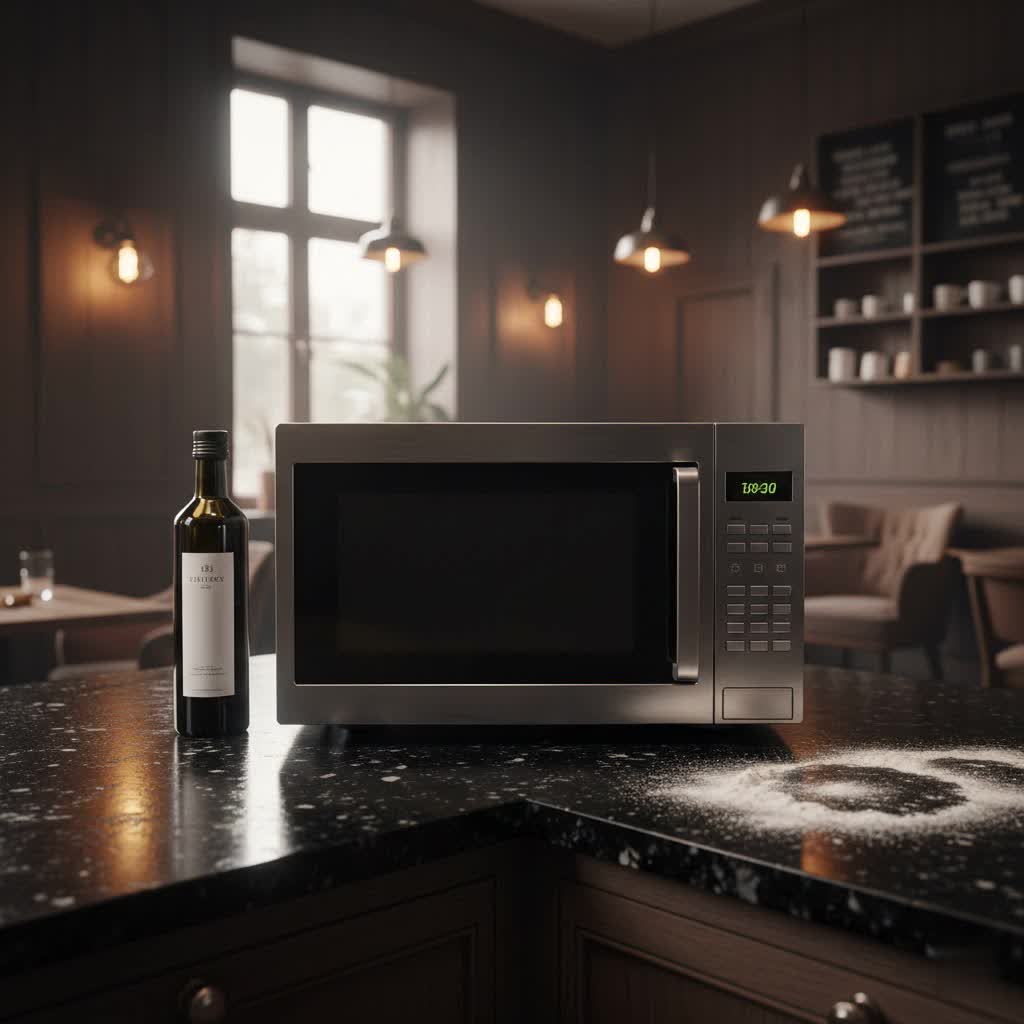
Microwave Ovens: An Essential Overview and Core Principles
At its heart, a microwave oven is an electronic device that uses electromagnetic waves, specifically microwaves, to heat food. These waves penetrate food, exciting water molecules within, which rapidly generates heat throughout the dish. This unique heating method allows for quick cooking and reheating, making it a cornerstone of modern kitchens worldwide. Early models were primarily for basic tasks, but innovation has led to sophisticated units that can perform a multitude of functions.
The fundamental principle relies on a magnetron, a vacuum tube that produces microwave radiation. This radiation is channeled into the cooking cavity, where it reflects off the metallic interior walls and is absorbed by the food. A rotating turntable helps ensure the waves are distributed evenly, preventing hot and cold spots in your meal. Advanced technologies, such as inverter technology, further refine this process by providing a consistent, continuous stream of power, rather than cycling on and off, which results in more precise and even cooking, preserving food texture and flavor.
Diverse Types of Microwave Ovens on the Market
The variety of microwave ovens available today can be broadly categorized by their functionality and how they are installed in your kitchen. Understanding these distinctions is crucial for making an informed choice.
By Functionality
- Solo Microwave Ovens: These are the most basic and typically most affordable type. They specialize in straightforward tasks like reheating, defrosting, and simple cooking (e.g., popcorn or instant meals). Solo models are excellent for individuals or small households with minimal cooking demands.
- Microwave Ovens with Grill: Offering more versatility than solo models, these microwaves incorporate a grill element alongside the standard microwave function. This allows you to brown, crisp, and toast food, adding a desirable texture to dishes like grilled sandwiches, pizzas, or gratins, which a solo microwave cannot achieve.
- Convection Microwave Ovens (Combination Microwaves): These are the most feature-rich and versatile. They combine microwave cooking with convection heating, using a fan to circulate hot air, much like a traditional oven. Many convection models also include a grill. This combination allows for baking, roasting, grilling, and microwave cooking all in one appliance, making them ideal for complex recipes and reducing the need for multiple kitchen devices.
|
Our Picks for the Best Microwave Oven in 2026
As an Amazon Associate I earn from qualifying purchases.
|
||
| Num | Product | Action |
|---|---|---|
| 1 | BLACK+DECKER EM720CB7 Digital Microwave Oven with Turntable Push-Button Door, Child Safety Lock, 700W, Stainless Steel, 0.7 Cu.ft |

|
| 2 | Farberware 1.1 Cu. Ft. Countertop Microwave Oven – 1000 Watts Power, Auto Cook Settings, Defrost, Easy Clean and Child Safety Lock - Stainless and Black |
|
| 3 | Nostalgia Retro Compact Countertop Microwave Oven, 0.7 Cu. Ft. 700-Watts with LED Digital Display, Child Lock, Easy Clean Interior, Aqua |
|
| 4 | TOSHIBA ML-EM09PA(BS) Small Microwave Oven with 6 Auto Menus, Mute Function & Child Lock, LED Lighting, Perfect for Apartment, 0.9 Cu Ft, 10.6 Inch Removable Turntable, 900W, Black Stainless Steel |
|
| 5 | TOSHIBA EM131A5C-SS Countertop Microwave Ovens 1.2 Cu Ft with 12.4" Removable Turntable Smart Humidity Sensor, 12 Auto Menus Mute Function ECO Mode Easy Clean Interior, 1000W, Silver |
|
| 6 | Chefman Countertop Microwave Oven 0.7 Cu. Ft., 700 Watts with 10 Power Levels, 6 Cooking Presets with One-Touch Express Cook, Eco Mode, Child Safety Lock, & Mute Button - Black |
|
| 7 | Farberware 1.1 Cu. Ft. Countertop Microwave Oven – 1000 Watt Power, Auto Cook Settings, Defrost, Easy Clean and Child Safety Lock - Stainless |
|
| 8 | TOSHIBA EM131A5C-BS Countertop Microwave Ovens 1.2 Cu Ft, 12.4" Removable Turntable Smart Humidity Sensor 12 Auto Menus Mute Function ECO Mode Easy Clean Interior Black Color 1000W |
|
| 9 | Farberware 1.1 Cu. Ft. Countertop Microwave Oven – 1000 Watts Power, Auto Cook Settings, Defrost, Easy Clean and Child Safety Lock - Stainless |
|
| 10 | Beautiful 1.1 Cu Ft 1000W Sensor Microwave Oven – Compact Countertop with Smart Sensor Cooking, 10 Power Levels & Easy Clean Interior – Perfect for Quick Meals, Office & Holiday Hosting |
|
By Installation Type
- Countertop Microwaves: These are freestanding units designed to sit on your kitchen counter. They offer the greatest flexibility in placement and are typically the easiest to install—just plug them in. Countertop models come in a vast range of sizes and power levels, suitable for various budgets and kitchen layouts, though they do occupy valuable counter space.
- Over-the-Range Microwaves (OTR): Mounted above your cooking range, OTR microwaves save counter space by integrating into your cabinetry. Beyond microwave functions, they often double as a range hood, featuring a built-in exhaust fan and task lighting to vent smoke and odors from your stovetop. These are popular for their dual functionality and seamless appearance.
- Built-in Microwaves: Designed to be installed directly into existing cabinetry or a wall, built-in microwave ovens create a sleek, integrated look in modern kitchens. They free up counter space and can be positioned at eye-level or, in the case of Under-counter (Drawer) Microwaves, slide out from below the counter like a drawer. Built-in models often come with premium features and finishes, though they typically require professional installation and specific cabinet dimensions.
By Technology
- Standard Microwaves: These are traditional models without advanced heating technologies. They cycle power on and off to achieve desired heat levels, which can sometimes lead to uneven cooking.
- Inverter Microwaves: Utilizing inverter technology, these microwave ovens deliver a continuous, precise flow of microwave power. This ensures food is cooked or defrosted more evenly, preserving texture, nutrients, and flavor, and preventing overcooked edges or cold centers. Panasonic is a notable pioneer in this technology.
- Smart Microwaves: The latest innovation, smart microwave ovens are Wi-Fi enabled and connect to your home network. They offer features like app control, voice assistance compatibility (e.g., Alexa), and advanced sensor technology. Smart microwaves can adapt cooking times, suggest recipes, and even allow remote monitoring, bringing a new level of convenience to your kitchen.
Comparison Chart of Microwave Oven Types
| Microwave Type | Primary Functionality | Typical Price Range (General) | Key Advantages | Key Disadvantages | Ideal For |
|---|---|---|---|---|---|
| Solo | Reheating, defrosting, basic cooking | Budget-friendly | Simple, affordable, easy to use | Limited functionality (no browning/crisping) | Individuals, small households, basic reheating needs |
| Grill | Reheating, defrosting, basic cooking, grilling, browning | Mid-range | Adds browning/crisping, more versatile than solo | Not suitable for baking/roasting | Those who want to crisp or brown food, beyond basic reheating |
| Convection/Combination | All functions: microwave, grill, bake, roast | Higher-end | Extremely versatile, can replace a small oven | Most expensive, larger footprint, more complex to operate | Home chefs, small kitchens needing multi-functional appliance |
| Countertop | Flexible placement | Budget to Mid-range | Portable, no installation needed, wide selection | Occupies counter space | Renters, small apartments, secondary microwave needs |
| Over-the-Range | Microwave, ventilation, lighting | Mid to High-end | Saves counter space, integrates hood function | Installation required, ventilation can be less powerful | Kitchens with limited counter space, integrated look |
| Built-in/Drawer | Integrated, sleek aesthetic | High-end | Seamless look, saves counter space, ergonomic (drawer) | Professional installation, highest cost, less portable | Modern kitchens, custom designs, accessibility needs |
Guide to Choosing the Right Microwave Oven
Selecting the best microwave oven requires a thoughtful evaluation of your lifestyle, cooking habits, and kitchen layout. Here’s how to navigate the choices:
1. Determine Your Usage Needs
Before diving into features, consider how you typically use a microwave.
- Family Size: For 1-2 people, a compact microwave (under 1.0 cu. ft.) is usually sufficient. A medium-sized model (1.0-1.5 cu. ft.) is ideal for 3-4 people, while larger families (5+ members) or those who cook large dishes will benefit from a capacity over 1.5 cu. ft.
- Frequency of Use: If you mostly use it for occasional reheating, a solo microwave is perfect. If you plan to cook meals, bake, or grill regularly, a convection or grill microwave will offer the necessary versatility.
- Purpose of Use: Are you primarily reheating, defrosting, cooking full meals, baking cakes, or crisping dishes? Your primary usage will dictate the functional type of microwave you need.
2. Choose the Appropriate Capacity
Microwave capacity is measured in cubic feet (cu. ft.) or liters (L).
- Small (0.7-1.0 cu. ft. / under 20L): Best for individuals, dorm rooms, or compact kitchens. These handle small plates and cups.
- Medium (1.0-1.5 cu. ft. / 20-30L): A common choice for average families, accommodating standard dinner plates and casserole dishes.
- Large (1.5 cu. ft. and above / over 30L): Suited for large families or those who frequently cook large roasts or use oversized bakeware. Always measure your typical cookware to ensure it fits the turntable.
3. Select Suitable Wattage
Microwave power, measured in watts (W), affects cooking speed and efficiency.
- Lower Wattage (700-800W): These models are often more energy-efficient for gentle tasks like simmering or defrosting without overcooking. However, they will take longer to cook food thoroughly.
- Higher Wattage (1000W+): Higher wattage microwave ovens cook food more rapidly and evenly, making them ideal for tasks that require quick and consistent heating, such as reheating large meals or cooking dense foods. For most households, 800 to 1200 watts is considered sufficient.
4. Consider Convenient Features
Modern microwave ovens come packed with features designed to enhance your cooking experience:
- Inverter Technology: Essential for even heating and precise control, preventing rubbery textures or cold spots.
- Sensor Cooking: Automatically adjusts cooking time and power based on the food’s moisture and steam levels, taking the guesswork out of cooking.
- Pre-set Programs/Auto Cook: One-touch buttons for common items like popcorn, potatoes, or defrosting, simplifying operation.
- Child Lock: A critical safety feature that prevents accidental use, especially in homes with young children.
- Quick Start/Express Cooking: Allows you to start cooking at full power with a single touch for short durations.
- Easy-Clean Interior: Non-stick coatings (like ceramic enamel) or stainless steel interiors make cleaning up spills significantly easier and resist odors.
- Defrost Functions: Options to defrost by weight or time ensure food is thawed effectively without partially cooking it.
- Ventilation/Exhaust Fan: If opting for an over-the-range model, consider the fan’s CFM (Cubic Feet per Minute) for effective smoke and odor removal.
- Keep Warm Function: Keeps food at a serving temperature without overcooking.
5. Select Reputable Brands
Investing in a microwave oven from a trusted brand often ensures better quality, durability, and customer support. Popular and well-regarded brands in the microwave oven market include Panasonic, LG, Samsung, Toshiba, GE, Sharp, Electrolux, Breville, and Farberware. These brands frequently appear on “best of” lists for their innovation and reliability.
6. Inspect Product Before Purchase and Read Reviews
Before making a final decision, always inspect the microwave’s exterior and interior, check the door mechanism, and ensure all accessories are included. Furthermore, reading user reviews can provide invaluable real-world insights into a model’s performance, ease of use, and any potential quirks. Look for consistent feedback regarding even heating, noise levels, and control panel intuitiveness.
Top Popular Microwave Oven Models Today
Based on performance, features, and user satisfaction, several models consistently stand out in the market:
- Panasonic NN-SN686S: Often lauded as an “overall best,” this model features advanced Inverter Technology for incredibly even heating, a generous 1.2 cu. ft. capacity, and an intuitive control panel, making it suitable for a wide range of tasks from reheating to cooking full meals.
- Samsung MC12J8035CT: A top choice for “convection cooking,” this microwave oven offers Slim Fry technology for healthier fried foods and boasts a ceramic enamel interior for effortless cleaning. Its versatility with grilling and baking options makes it a favorite for adventurous home cooks.
- Toshiba EM925A5A-BS: Recognized as an excellent “budget option,” this compact 900-watt microwave is efficient and features pre-programmed sensor menus and a sleek design. It’s ideal for small spaces and offers straightforward one-touch operation.
- LG NeoChef LMC1575ST: Praised for “design and innovation,” the LG NeoChef offers a spacious interior with smart inverter technology and sensor cooking. Its minimalist, sleek aesthetic blends seamlessly into modern kitchens, providing both form and function.
- Breville Quick Touch: This model is a favorite among “gourmet cooking” enthusiasts due to its precision Sensor IQ technology, which automatically adjusts power and time for optimal results. Its durable stainless steel construction also ensures longevity.
- Panasonic NN-SD975S: For those needing a larger capacity (1.6 cu. ft.) and advanced features, this “splurge” model includes Cyclonic Wave Inverter Technology for exceptional even heating, a large turntable, and numerous preset menu items.
How to Use and Maintain Your Microwave Oven Correctly
Proper usage and regular maintenance are key to extending the life and ensuring the optimal performance of your microwave oven.
Using Your Microwave Oven Safely and Effectively
- Understand Power Levels: Not everything needs to be cooked on high. Lower power levels are better for delicate foods, simmering, or gently softening ingredients, preventing overcooking.
- Use Microwave-Safe Cookware: Always use dishes made of glass, ceramic, or microwave-safe plastic. Metal can cause sparks and damage the appliance.
- Stir and Rotate: Even with a turntable and inverter technology, stirring food midway through cooking or rotating dishes manually can further ensure even heating.
- Allow Standing Time: Food continues to cook for a few minutes after the microwave stops. Allowing standing time helps distribute heat evenly and finishes the cooking process.
Cleaning and Maintenance Tips
- Regular Cleaning: The easiest way to keep your microwave pristine is to wipe it down regularly. For stubborn splatters, place a microwave-safe bowl with a cup of water and a tablespoon of white vinegar or lemon juice inside. Heat on high for 5-10 minutes until steam builds up, then let it sit for a few minutes with the door closed. The steam will loosen grime, making it easy to wipe away with a damp cloth.
- Avoid Metal Scrubbers: Use soft sponges or microfiber cloths to prevent scratching the interior or exterior surfaces.
- Inspect Door Seals: Periodically check the door seals for any damage or gaps. Intact seals are crucial for efficient operation and to prevent microwave leakage.
- Replace Filters (for OTR models): If you have an over-the-range microwave with a ventilation system, clean or replace the grease and charcoal filters as recommended by the manufacturer to maintain effective air purification.
- Keep Vents Clear: Ensure that the microwave’s air vents are not blocked, as proper airflow is essential to prevent overheating.
“A well-maintained microwave oven isn’t just about cleanliness; it’s about efficiency and longevity. Regular care prevents food build-up, which can lead to uneven heating and a shortened lifespan for your appliance.”
Common Microwave Oven Considerations
While modern microwave ovens are generally reliable, some common issues or points of concern can arise.
- Uneven Heating: Often caused by food density, uneven placement, or using non-inverter models. Stirring, rotating, and using appropriate power levels can help.
- No Power/Not Heating: Check the power outlet, circuit breaker, and ensure the door is securely closed. If issues persist, it may indicate a magnetron failure or other internal electrical problem, requiring professional service.
- Loud Noise: Unusual grinding or buzzing could signal a problem with the turntable motor, cooling fan, or magnetron.
- Sparks Inside: This is almost always caused by metal objects (aluminum foil, metal-trimmed dishes) inside the microwave. Immediately stop the microwave and remove any metal.
For complex issues, it’s always best to consult the manufacturer’s troubleshooting guide or contact a qualified appliance repair technician. Attempting DIY repairs on a microwave can be dangerous due to the high voltage components inside.
Conclusion
Choosing the best microwave oven for your home is an investment in convenience and culinary capability. From the simplicity of a solo microwave for quick reheating to the multi-functional prowess of a convection model that can bake and roast, there’s a perfect appliance out there for every kitchen and lifestyle. By considering your specific needs for capacity, wattage, and advanced features, and by prioritizing reputable brands, you can confidently select a microwave oven that will serve you efficiently for years to come. Remember, a microwave isn’t just about speed; it’s about enhancing your daily cooking experience.
What features do you value most in your microwave oven, and how will your next choice transform your kitchen routine?
Frequently Asked Questions
What is inverter technology in a microwave oven?
Inverter technology in a microwave oven provides a continuous, consistent stream of power, unlike traditional microwaves that cycle on and off to maintain a lower power level. This results in more even cooking and defrosting, prevents overcooked edges, and helps to preserve the food’s texture and nutrients. It’s particularly beneficial for delicate foods or precise cooking tasks.
Can I bake a cake in a convection microwave oven?
Yes, absolutely! A convection microwave oven combines microwave heating with a convection fan and heating element, essentially allowing it to function like a smaller, faster traditional oven. This means you can bake cakes, roast chickens, and even crisp pizzas directly in your microwave, making it a versatile appliance for a variety of culinary tasks beyond simple reheating.
How often should I clean my microwave oven?
For optimal hygiene and performance, it’s recommended to clean your microwave oven regularly, ideally after every use to wipe away fresh spills. For a more thorough cleaning, a weekly or bi-weekly deep clean is advisable, especially if you use it frequently. This prevents food buildup, eliminates odors, and helps maintain the appliance’s efficiency and longevity.
