Choosing a new microwave oven can feel overwhelming, with a vast array of models, features, and price tags. From quick reheats to gourmet cooking, these kitchen workhorses have become indispensable. However, understanding the true cost of a microwave isn’t just about the initial price; it involves delving into what truly drives value, performance, and durability. This comprehensive guide will break down microwave oven prices, explore influencing factors, and help you navigate the market to find the perfect appliance that fits your budget and culinary needs.
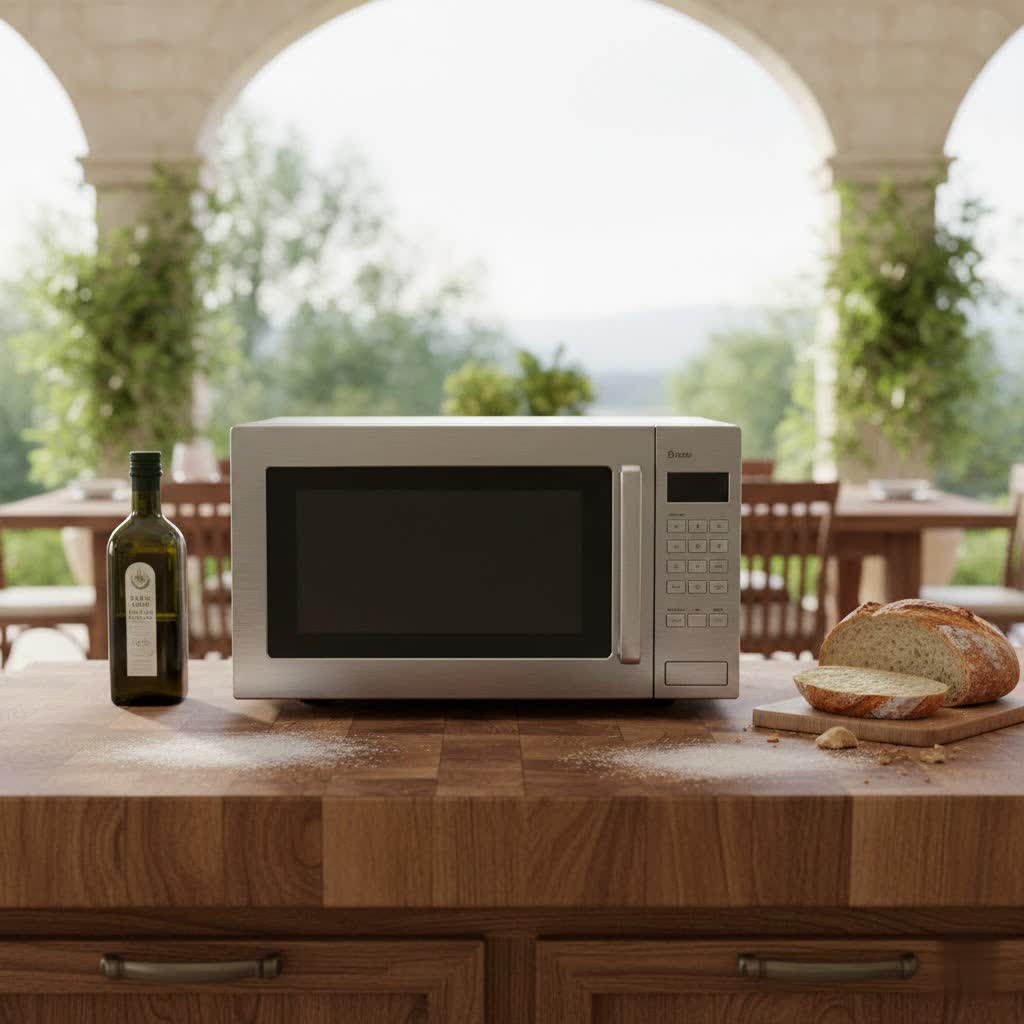
What Influences Microwave Oven Prices?
Microwave oven prices are not arbitrary; they are shaped by a combination of design, functionality, and market dynamics. Understanding these core factors is crucial for making an informed purchase.
Beyond the Sticker: Understanding Core Factors
Several key elements contribute to the final price you pay for a microwave oven:
- Type and Installation: The fundamental design of the microwave significantly impacts its cost.
- Countertop models are generally the most affordable due to their portability and lack of installation requirements.
- Over-the-Range (OTR) microwaves are designed to be installed above your stove, often including ventilation features, which increases their price.
- Built-in and Drawer microwaves offer a seamless, integrated look, but their complex installation requirements and specialized designs place them at the higher end of the spectrum.
- Combo ovens, which integrate a microwave with a traditional oven, are the most expensive, offering dual functionality within a single unit.
- Capacity and Wattage:
- Capacity, measured in cubic feet, directly affects the price. Larger models, capable of accommodating bigger dishes or feeding more people, command higher prices. Compact models (0.5-0.9 cu. ft.) are typically base-priced, while extra-large units (2.2+ cu. ft.) can add several hundred dollars to the cost.
- Wattage indicates the microwave’s power, influencing how quickly and efficiently it heats food. Higher wattage (e.g., 1000W-1200W) means faster cooking and often a higher price.
- Advanced Features & Technology: Modern microwaves come equipped with a host of technologies that add to their functionality and, consequently, their price.
- Inverter technology offers more precise and consistent power delivery, resulting in more even cooking and often adding $75-$150 to the cost.
- Convection cooking capability transforms a microwave into a versatile appliance capable of baking, roasting, and grilling, typically increasing the price by $200-$400.
- Smart connectivity allows control via a smartphone or voice assistant, adding a premium for convenience and integration into smart homes.
- Sensor cooking automatically adjusts cooking time based on detected steam or humidity, preventing over or undercooking. Other features like auto-cook menus, multi-stage cooking, express cook buttons, and child locks also contribute to cost variations.
- Material Quality and Brand Reputation:
- Microwaves constructed with higher-quality materials, such as stainless steel interiors and exteriors, tend to be more durable and visually appealing, but also more expensive. The type of interior cavity (e.g., stainless steel vs. enamel) also plays a role in both durability and price.
- Reputable brands known for their reliability, innovation, and customer support (e.g., Panasonic, Samsung, LG, Breville) often price their products higher than lesser-known brands. High-end appliance manufacturers like JennAir, Viking, and Dacor offer luxury models with premium pricing.
- Manufacturing and Market Factors:
- The cost of raw materials (sheet metal, magnetrons), labor, research and development, and overhead all contribute to manufacturing expenses.
- Beyond manufacturing, distributors and retailers add markups, typically ranging from 20% to 40%, to cover their operational costs and generate profit. These markups also influence the final retail price consumers see.
|
Our Picks for the Best Microwave Oven in 2026
As an Amazon Associate I earn from qualifying purchases.
|
||
| Num | Product | Action |
|---|---|---|
| 1 | Nostalgia Retro Compact Countertop Microwave Oven, 0.7 Cu. Ft. 700-Watts with LED Digital Display, Child Lock, Easy Clean Interior, Aqua |

|
| 2 | Beautiful 1.1 Cu Ft 1000W Sensor Microwave Oven – Compact Countertop with Smart Sensor Cooking, 10 Power Levels & Easy Clean Interior – Perfect for Quick Meals, Office & Holiday Hosting |
|
| 3 | BLACK+DECKER EM720CB7 Digital Microwave Oven with Turntable Push-Button Door, Child Safety Lock, 700W, Stainless Steel, 0.7 Cu.ft |
|
| 4 | TOSHIBA EM131A5C-BS Countertop Microwave Ovens 1.2 Cu Ft, 12.4" Removable Turntable Smart Humidity Sensor 12 Auto Menus Mute Function ECO Mode Easy Clean Interior Black Color 1000W |
|
| 5 | TOSHIBA EM131A5C-SS Countertop Microwave Ovens 1.2 Cu Ft with 12.4" Removable Turntable Smart Humidity Sensor, 12 Auto Menus Mute Function ECO Mode Easy Clean Interior, 1000W, Silver |
|
| 6 | Chefman Countertop Microwave Oven 0.7 Cu. Ft., 700 Watts with 10 Power Levels, 6 Cooking Presets with One-Touch Express Cook, Eco Mode, Child Safety Lock, & Mute Button - Black |
|
| 7 | Farberware 1.1 Cu. Ft. Countertop Microwave Oven – 1000 Watts Power, Auto Cook Settings, Defrost, Easy Clean and Child Safety Lock - Stainless and Black |
|
| 8 | TOSHIBA ML-EM09PA(BS) Small Microwave Oven with 6 Auto Menus, Mute Function & Child Lock, LED Lighting, Perfect for Apartment, 0.9 Cu Ft, 10.6 Inch Removable Turntable, 900W, Black Stainless Steel |
|
| 9 | Farberware 1.1 Cu. Ft. Countertop Microwave Oven – 1000 Watt Power, Auto Cook Settings, Defrost, Easy Clean and Child Safety Lock - Stainless |
|
| 10 | Farberware 1.1 Cu. Ft. Countertop Microwave Oven – 1000 Watts Power, Auto Cook Settings, Defrost, Easy Clean and Child Safety Lock - Stainless |
|
Microwave Oven Price Ranges by Type
Microwave ovens are categorized by their installation type and core functionalities, each presenting a distinct price range.
Countertop Microwaves: The Affordable & Versatile Choice
Countertop microwaves are the most common and generally the most budget-friendly option. They are self-contained units that simply plug into an outlet, requiring no special installation.
- Price Range: Typically from $50 to $800.
- Basic models (700-900W, 0.7-1.0 cu. ft.): Often found for $50-$150. These are ideal for simple reheating and defrosting.
- Mid-range models (900-1100W, 1.1-1.6 cu. ft.): Fall within the $70-$400 bracket, offering more power, capacity, and features like sensor cooking or preset menus.
- High-end countertop models (with convection or inverter technology): Can reach up to $1,100, providing advanced cooking capabilities without permanent installation.
- Pros: Most affordable, no installation needed, portable, easy to replace.
- Cons: Takes up valuable counter space, generally less powerful or feature-rich than built-in options, no integrated ventilation.
Over-the-Range (OTR) Microwaves: Space-Saving & Integrated
OTR microwaves are designed to be installed above your range, combining microwave functionality with a vent hood. This saves counter space and provides built-in ventilation for your stovetop.
- Price Range: Typically from $150 to $1,000.
- Standard OTR models: Range from $150-$600.
- High-end OTR models (with convection, higher CFM ventilation): Can cost up to $1,800.
- Pros: Saves counter space, includes lighting and a ventilation system, integrated look.
- Cons: Requires professional installation (adding $100-$400), needs a precise fit, ventilation might not be as powerful as a dedicated range hood.
Built-in & Drawer Microwaves: Seamless Integration for Modern Kitchens
These microwaves are designed to blend seamlessly with your cabinetry, offering a sleek, custom look.
- Built-in Microwaves: Installed into a cabinet or wall cutout, providing a flush appearance.
- Price Range: From $100 to $2,000, with premium models reaching $5,000 for luxury brands.
- Drawer Microwaves: Installed in lower cabinetry, often beneath a countertop or island, sliding open like a drawer.
- Price Range: Typically from $900 to $3,000. These are particularly accessible and great for universal design.
- Pros (for both): Frees up counter space, customizable to match other appliances, creates a high-end kitchen aesthetic.
- Cons (for both): High initial cost, requires professional installation (which can be complex and expensive if cabinet modification is needed), drawer models often lack convection or turntables.
Convection & Combination Microwaves: Multi-Functional Powerhouses
Many modern microwaves offer more than just basic reheating. Convection microwaves incorporate a heating element and fan to circulate hot air, allowing for baking, roasting, and crisping. Combination models might also include grilling or air frying functions.
- Price Range: From $180 to $800+, with dedicated combo oven units (microwave + full oven) ranging from $2,500 to $3,500.
- Benefits: Versatility, faster cooking times, better food texture (e.g., crispy exteriors), consolidates multiple appliances into one, saving space.
- Considerations: Higher price point, may have a steeper learning curve for advanced functions.
Navigating Price vs. Value: What to Consider Before Buying
Choosing a microwave oven is an investment, and finding the right balance between price and value is key.
Assess Your Cooking Needs
Before looking at price tags, consider how you intend to use your microwave:
- Family Size: A compact 0.7 cu. ft. model is suitable for 1-2 people, while a 1.0-1.6 cu. ft. unit fits a family of 3-4, and larger families may need 1.7 cu. ft. or more.
- Usage Frequency: If you only use it for occasional reheating, a basic model is sufficient. For daily cooking, defrosting, or more advanced tasks, invest in higher wattage and features.
- Primary Functions: Do you just need to reheat and defrost, or do you desire grilling, baking, or air frying capabilities?
Capacity & Power Match
- Capacity: Ensure the internal volume is large enough for your typical dishes and family needs. A larger turntable is beneficial for bigger plates.
- Wattage: For general use, 900-1000 watts is a good baseline for efficient heating. Models below 800W might be cheaper but will cook slower. More wattage often means more even heating, especially with inverter technology.
Must-Have Features vs. Nice-to-Haves
Distinguish between essential features that enhance your daily cooking and those that are convenient but might inflate the price unnecessarily. Sensor cooking, easy-to-use presets, and a child lock might be essential for some, while smart connectivity or a deodorizer function might be “nice-to-haves.”
Brand Reliability & Warranty
Researching reputable brands is important. Companies like Panasonic, Toshiba, LG, Samsung, GE, and Breville are often cited for their performance and durability. A good warranty offers peace of mind and protects your investment. While a well-built model might cost more upfront, it can reduce maintenance costs and provide reliable performance for 7-10 years or even longer.
Installation Costs
Remember that over-the-range, built-in, and drawer microwaves often require professional installation, which can add an extra $100-$400 to the total cost. Factor this into your budget to avoid surprises.
Top Microwave Oven Recommendations Across Price Points
To give you a clearer picture, here are general types of microwaves you’ll find at different price points:
- Budget-Friendly Picks (Under $150): Look for compact countertop models from brands like Farberware, Black+Decker, Comfee, or Magic Chef. These typically offer 700-900 watts, essential presets, and basic defrost functions. They are perfect for small spaces, dorms, or light-duty reheating.
- Mid-Range Value ($150 – $450): This segment offers excellent balance. You’ll find higher wattage (1000-1200W) countertop models with inverter technology, sensor cooking, and more advanced presets from brands like Toshiba, Panasonic (some solo models), and Samsung. Some entry-level OTR models also fall into this range.
- Premium & High-End Options (Over $450): Here, you’ll encounter full-featured convection microwaves (countertop or OTR) from brands like Breville, Panasonic, and LG, offering multi-functional cooking capabilities. Built-in and drawer models start at this range, with luxury brands like JennAir, Viking, Dacor, and Bertazzoni offering models that can exceed $1,000, focusing on advanced features, integrated design, and premium aesthetics.
Maximizing Your Investment: Tips for Usage and Maintenance
To ensure your microwave oven provides lasting value, proper care is essential.
- Understand Your Settings: Take time to read the manual and learn the various power levels and specialized functions (e.g., sensor cook, defrost by weight) to get the best results and prevent damage.
- Regular Cleaning: Wipe down the interior and exterior regularly to prevent food buildup, which can affect performance and hygiene. Use mild soap and water, and occasionally a mixture of water and lemon juice or vinegar to eliminate odors. Ensure the turntable and cavity are always clean.
- Avoid Running Empty: Never operate the microwave without food or liquid inside, as this can damage the magnetron, the component that generates microwaves.
- Use Microwave-Safe Cookware: Only use dishes labeled “microwave-safe” to prevent arcing or damage to the appliance and ensure safe heating.
- Professional Checks: If you notice any unusual noises, smells, or performance issues, consult a qualified technician.
Common Microwave Oven Issues and When to Seek Repair
Even well-maintained microwaves can encounter issues. Knowing common problems can help you decide whether to troubleshoot or call for professional help.
- Microwave Not Heating Food: This is often due to a faulty magnetron or diode. While some minor fixes are possible, this usually requires professional repair.
- Turntable Not Rotating: Check if the turntable is properly seated on its coupler, if the roller ring is in place, or if the motor needs replacement.
- Sparking or Arcing: Immediately turn off the microwave. This can be caused by metal objects, damaged interior walls, or a faulty waveguide cover. If no metal is present, professional inspection is necessary.
- Unusual Noises: A humming or grinding sound might indicate issues with the magnetron, cooling fan, or turntable motor.
- Door Not Latching Properly: The door interlock switches are critical for safety. If the door doesn’t seal, the microwave won’t operate. This requires repair to ensure safety.
For simple issues like a misaligned turntable, you might fix it yourself. However, for internal electrical problems, strange noises, or any safety concerns, it’s always best to contact a certified technician. Attempting complex repairs on your own can be dangerous and void warranties.
In conclusion, the journey to finding the perfect microwave oven involves more than just picking a model; it’s about understanding the “why” behind the price. By considering your specific needs, exploring the different types and their associated costs, and prioritizing features that offer genuine value, you can confidently invest in an appliance that will serve your household efficiently for years to come. What will be the defining feature of your next microwave oven?
Frequently Asked Questions
What is a good wattage for a microwave?
For most household uses, a microwave with 900-1000 watts is considered a good standard. This wattage provides efficient and quick heating for a variety of foods, from defrosting to reheating and cooking instant meals. While higher wattage can cook faster, lower wattage models (700W) are suitable for very basic tasks in small spaces and are generally more budget-friendly.
Are inverter microwaves worth the extra cost?
Many users find inverter microwaves worth the extra cost, which typically adds $75-$150 to the price. Inverter technology provides a continuous stream of consistent power, unlike conventional microwaves that cycle full power on and off. This results in more even cooking, better texture preservation, and often more precise defrosting, preventing hot spots and cold spots.
How long do microwaves typically last?
On average, a microwave oven is expected to last between 7 to 10 years with regular household use and proper maintenance. The lifespan can vary depending on factors such as brand quality, frequency of use, and adherence to cleaning and operating guidelines. High-end models with durable materials and advanced technology may sometimes exceed this average.
Why are built-in microwaves more expensive?
Built-in microwaves are generally more expensive due to their specialized design, premium aesthetics, and complex installation requirements. They are engineered to integrate seamlessly into kitchen cabinetry, often requiring professional installation and sometimes cabinet modifications. Their higher price reflects both the sophisticated design and the added cost of labor for integration.
Can I install an over-the-range microwave myself?
While it might seem possible, installing an over-the-range (OTR) microwave is typically not recommended as a DIY project unless you have significant electrical and carpentry experience. OTR microwaves require secure mounting to wall studs, proper electrical wiring, and often a ventilation duct connection. Incorrect installation can lead to safety hazards or appliance damage, making professional installation a worthwhile investment.
