In today’s fast-paced world, finding ways to simplify daily tasks, especially in the kitchen, is a game-changer. Imagine an appliance that not only heats your food but anticipates your needs, responds to your voice, and even connects with your entire smart home ecosystem. Welcome to the era of the smart microwave oven, a truly intelligent kitchen companion designed to transform your cooking experience. This comprehensive guide will explore everything you need to know about these innovative appliances, from their fundamental workings to choosing the perfect model for your home and mastering their advanced capabilities. Let’s dive into how a smart microwave oven can bring unparalleled convenience and efficiency to your culinary routine.
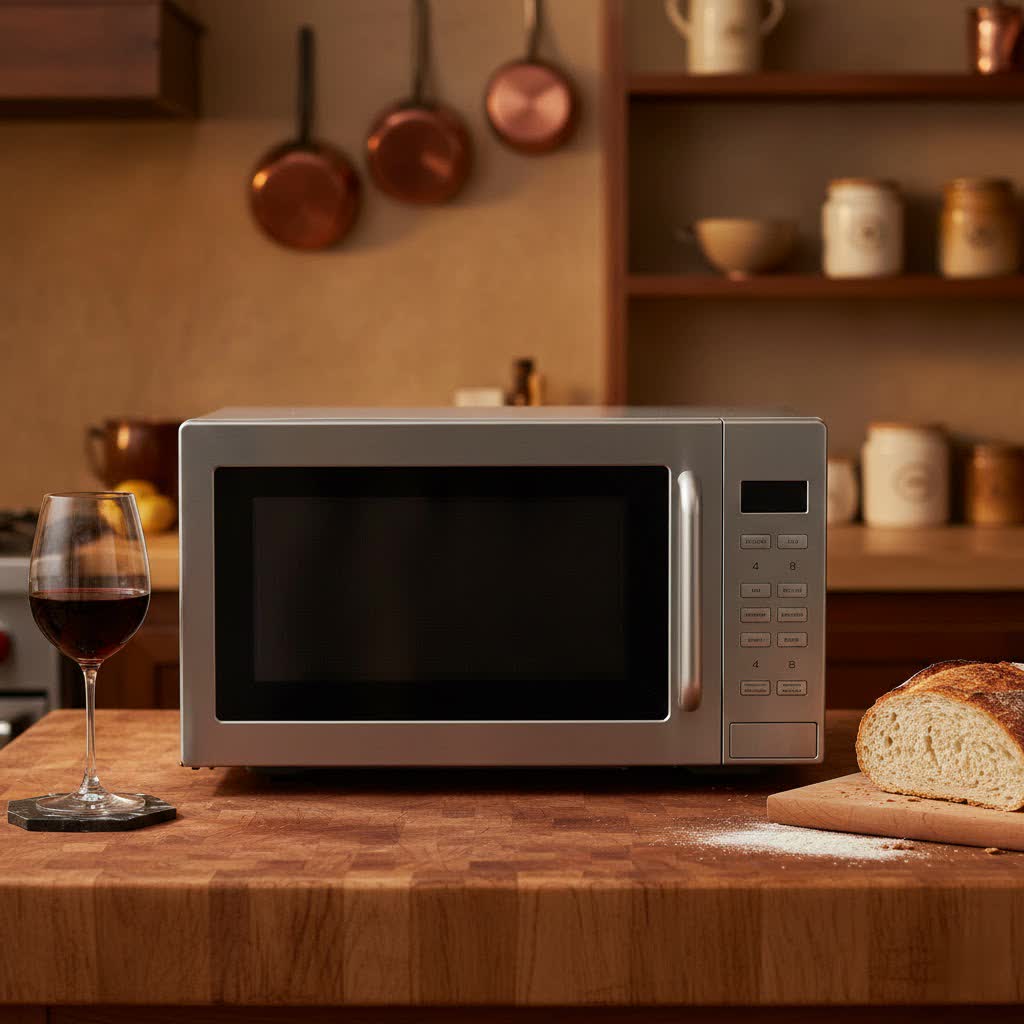
What is a Smart Microwave Oven? Basic Operating Principles
At its core, a smart microwave oven is an advanced kitchen appliance equipped with Wi-Fi connectivity, allowing it to integrate with your home network and smart devices. Unlike traditional microwaves that primarily use electromagnetic waves to excite water molecules in food, generating heat from within, smart models go several steps further. While they retain this core microwave heating principle, they enhance it with intelligent features, sensors, and remote control capabilities. The evolution from a simple reheating box to a sophisticated cooking device has been driven by the desire for greater convenience, precision, and integration within the modern smart home. This connectivity enables users to control and monitor their appliance remotely via a smartphone app or voice commands, ushering in a new era of hands-free cooking and unprecedented ease.
Types of Smart Microwave Ovens on the Market
The smart microwave oven landscape offers a diverse range of options, catering to various cooking styles, kitchen designs, and technological preferences. Understanding these classifications is key to making an informed decision.
By Function
- Basic Smart Microwaves: These models primarily focus on enhancing the core microwave functions (heating, reheating, defrosting) with smart connectivity. They offer app control, voice commands, and often sensor cooking for optimal results without manual input.
- Smart Convection Microwaves: Combining microwave speed with the baking, roasting, and crisping power of a convection oven, these units circulate hot air around food, allowing for a wider range of cooking tasks, from baking cookies to roasting chicken, all controllable via smart features.
- Smart Steam Microwaves: While less common as dedicated smart-only categories, some high-end smart microwaves incorporate steam cooking functions. These leverage steam to cook food gently, retaining moisture and nutrients, with smart controls managing the steaming process.
|
Our Picks for the Best Microwave Oven in 2026
As an Amazon Associate I earn from qualifying purchases.
|
||
| Num | Product | Action |
|---|---|---|
| 1 | TOSHIBA EM131A5C-SS Countertop Microwave Ovens 1.2 Cu Ft with 12.4" Removable Turntable Smart Humidity Sensor, 12 Auto Menus Mute Function ECO Mode Easy Clean Interior, 1000W, Silver |

|
| 2 | Farberware 1.1 Cu. Ft. Countertop Microwave Oven – 1000 Watts Power, Auto Cook Settings, Defrost, Easy Clean and Child Safety Lock - Stainless |
|
| 3 | TOSHIBA EM131A5C-BS Countertop Microwave Ovens 1.2 Cu Ft, 12.4" Removable Turntable Smart Humidity Sensor 12 Auto Menus Mute Function ECO Mode Easy Clean Interior Black Color 1000W |
|
| 4 | Farberware 1.1 Cu. Ft. Countertop Microwave Oven – 1000 Watt Power, Auto Cook Settings, Defrost, Easy Clean and Child Safety Lock - Stainless |
|
| 5 | Chefman Countertop Microwave Oven 0.7 Cu. Ft., 700 Watts with 10 Power Levels, 6 Cooking Presets with One-Touch Express Cook, Eco Mode, Child Safety Lock, & Mute Button - Black |
|
| 6 | Farberware 1.1 Cu. Ft. Countertop Microwave Oven – 1000 Watts Power, Auto Cook Settings, Defrost, Easy Clean and Child Safety Lock - Stainless and Black |
|
| 7 | TOSHIBA ML-EM09PA(BS) Small Microwave Oven with 6 Auto Menus, Mute Function & Child Lock, LED Lighting, Perfect for Apartment, 0.9 Cu Ft, 10.6 Inch Removable Turntable, 900W, Black Stainless Steel |
|
| 8 | Nostalgia Retro Compact Countertop Microwave Oven, 0.7 Cu. Ft. 700-Watts with LED Digital Display, Child Lock, Easy Clean Interior, Aqua |
|
| 9 | Beautiful 1.1 Cu Ft 1000W Sensor Microwave Oven – Compact Countertop with Smart Sensor Cooking, 10 Power Levels & Easy Clean Interior – Perfect for Quick Meals, Office & Holiday Hosting |
|
| 10 | BLACK+DECKER EM720CB7 Digital Microwave Oven with Turntable Push-Button Door, Child Safety Lock, 700W, Stainless Steel, 0.7 Cu.ft |
|
By Installation
- Countertop Smart Microwaves: The most flexible option, these sit on your counter and are easy to set up and relocate. Many smart features are available in countertop models, making them a popular choice for their convenience and straightforward installation.
- Over-the-Range (OTR) Smart Microwaves: Designed to be installed above your range, these models combine microwave functionality with a ventilation system to clear smoke and odors. Smart OTR microwaves often feature auto-connectivity with compatible ranges, automatically turning on the fan and light when cooking.
- Built-in Smart Microwaves: For a sleek, integrated kitchen aesthetic, built-in smart microwaves are installed seamlessly into cabinetry. They offer a custom look and often come with premium features, blending technology with sophisticated design.
By Technology
- Standard Smart Microwaves: These utilize traditional magnetron technology for heating but integrate Wi-Fi and smart controls. They typically cycle between full power and off to achieve desired power levels.
- Smart Inverter Microwaves: Inverter technology provides a continuous, consistent stream of microwave power at various levels, rather than pulsing on and off. This results in more even cooking, better defrosting without partially cooking food, and generally more precise control, all enhanced by smart connectivity. This technology also tends to be more energy-efficient.
Comparison of Smart Microwave Oven Features
| Feature/Type | Basic Smart Microwave | Smart Convection Microwave | Smart Inverter Microwave |
|---|---|---|---|
| Primary Use | Reheating, defrosting, simple cooking | Baking, roasting, grilling, reheating | Precise heating, delicate cooking |
| Key Smart Features | App/voice control, sensor cooking | All basic smart features + convection control | All basic smart features + precise power delivery |
| Cooking Versatility | Limited to microwave functions | Highly versatile (oven + microwave) | Excellent for all microwave tasks |
| Evenness of Cooking | Good, improved by sensor cooking | Excellent due to hot air circulation | Superior due to consistent power |
| Energy Efficiency | Moderate | Moderate (higher in convection mode) | High |
| Typical Price Range | Mid-range | Higher-end | Mid-to-high range |
| Pros | Convenient, easy to use | Multi-functional, saves space | Consistent results, gentle cooking |
| Cons | Lacks oven functions | Can be more expensive, complex | May not include convection natively |
Guide to Choosing the Right Smart Microwave Oven
Selecting the perfect smart microwave oven involves considering several factors to ensure it aligns with your lifestyle and culinary habits.
Determine Your Usage Needs
Start by assessing how you plan to use your microwave.
- Family Size: A small model (under 20 liters) might suffice for 1-2 people, while medium (20-30 liters) suits 3-4, and large (over 30 liters) is ideal for bigger families or those who cook large dishes.
- Frequency: Daily heavy use warrants a robust model with advanced features, whereas occasional reheating might only need a basic smart unit.
- Purpose: Do you just need to reheat and defrost, or do you want to bake, roast, air fry, or even steam? Convection-enabled smart microwaves offer significantly more versatility for a broader range of cooking.
Choose Appropriate Capacity
The internal capacity, measured in liters or cubic feet, determines the size of dishes your microwave can accommodate. Ensure the turntable (if present) can fit your largest dinner plates or casserole dishes.
Select Suitable Wattage
Microwave wattage, typically ranging from 700W to 1200W, indicates its cooking power. Higher wattage generally means faster and more even cooking.
- Lower wattage (under 800W): Good for basic reheating and defrosting, but may take longer.
- Higher wattage (800W+): Recommended for more extensive cooking, faster results, and better performance with smart features like sensor cooking.
Opt for Convenient Features
Smart microwaves offer a host of features designed to make cooking easier and more enjoyable.
- Wi-Fi Connectivity & App Control: Essential for smart functionality, allowing remote operation, monitoring, and programming from your smartphone.
- Voice Control: Integration with virtual assistants like Amazon Alexa or Google Assistant for hands-free operation. Simply say, “Alexa, reheat my coffee for 45 seconds.”
- Sensor Cooking: Automatically detects food’s moisture and temperature to adjust cooking time and power, preventing over- or under-cooking. This feature ensures consistently perfect popcorn or perfectly defrosted chicken.
- Scan-to-Cook Technology: Some models allow you to scan the barcode of packaged foods, and the microwave automatically applies the ideal cooking settings.
- Automated Cooking Programs: Pre-set programs for common dishes (pizza, potatoes, beverages) that optimize cooking parameters.
- Child Lock: A crucial safety feature for households with young children.
- Deodorizer/Steam Clean Functions: Helps eliminate odors and simplify interior cleaning.
- Touchscreen Displays: Offer an intuitive and modern interface for navigating settings.
Choose a Reputable Brand
Established brands often provide better reliability, customer support, and innovation. Look for smart microwave ovens from manufacturers known for quality kitchen appliances, such as Samsung, LG, Panasonic, Breville, Toshiba, Sharp, and GE Profile.
Verify Product Quality and Reviews
Before purchasing, inspect the appliance’s exterior and interior, check the door mechanism, and confirm all accessories are included. Most importantly, consult online reviews from other users. Real-world feedback can offer valuable insights into performance, ease of use, and long-term durability.
Top Smart Microwave Oven Models Today
The market for smart microwave ovens is continually evolving, with brands pushing the boundaries of convenience and performance. While specific model recommendations can quickly become outdated, several key players consistently offer top-rated options, each with unique strengths.
Brands like Samsung and LG are renowned for integrating their smart microwaves seamlessly into a broader smart home ecosystem, often featuring auto-connectivity with compatible ranges and sleek designs. Their models frequently boast advanced sensor cooking and intuitive app interfaces.
Panasonic’s HomeChef and Breville’s Smooth Wave series are celebrated for their inverter technology, delivering precise and even heating, which is crucial for delicate tasks like defrosting or softening butter. These brands often include a wide array of pre-set functions and robust build quality.
For those prioritizing value without sacrificing essential smart features, brands like Toshiba and Farberware offer models that incorporate sensor cooking and voice control at more accessible price points. The Amazon Smart Oven is another notable contender, often bundling multiple functions like air frying and convection baking with deep Alexa integration and scan-to-cook capabilities.
When considering a specific model, prioritize those with strong reviews for their core smart functionalities—remote control reliability, sensor accuracy, and voice assistant integration—as these are the features that truly distinguish them from traditional counterparts.
How to Use and Maintain Your Smart Microwave Oven Correctly
Maximizing the lifespan and performance of your smart microwave oven involves proper usage and consistent maintenance.
Mastering Smart Functions
- App Pairing: Begin by downloading the manufacturer’s app and following the instructions to connect your microwave to your home Wi-Fi network. This usually involves a simple pairing process.
- Voice Commands: Once connected to a smart assistant (like Alexa or Google Assistant), familiarize yourself with the available commands. You can often start/stop cooking, adjust power levels, set specific cooking programs, or even ask for recipe suggestions using your voice.
- Remote Monitoring: Utilize the app to check cooking progress, receive notifications when food is ready, or preheat a convection-enabled smart microwave on your way home.
- Scan-to-Cook: For models with this feature, simply scan the barcode of a compatible packaged food item using the microwave’s app, and the appliance will automatically set the appropriate cooking time and power.
Cleaning and Preservation
Regular cleaning is essential for hygiene and efficiency.
- Interior: Wipe spills immediately with a damp cloth. For tougher grime, place a microwave-safe bowl with water and lemon slices or vinegar inside, heat for a few minutes until steam builds up, then wipe down the loosened food particles. Many smart models even offer a dedicated steam clean cycle.
- Exterior: Clean the exterior with a soft cloth and mild detergent. For stainless steel finishes, use a specialized cleaner to prevent streaks.
- Turntable: The glass turntable can usually be removed and washed by hand or in a dishwasher.
- Door Seals: Ensure door seals are clean and intact to prevent microwave energy leakage.
Safety Tips
- Read the Manual: Always consult your user manual for specific safety instructions and operating guidelines for your model.
- Use Microwave-Safe Cookware: Avoid metal containers, foil, or dishes with metallic trim, as these can cause arcing and damage the appliance.
- Ventilation: Ensure adequate ventilation around freestanding units as per manufacturer guidelines. Over-the-range models need their filters cleaned regularly.
- Do Not Operate Empty: Running a microwave empty can damage the magnetron.
- Supervise Cooking: Even with smart features, it’s wise to supervise cooking, especially for new recipes or when using higher power settings.
Common Smart Microwave Oven Problems and Solutions
While generally reliable, smart microwave ovens can occasionally encounter issues. Here’s a look at common problems and how to address them.
No Power or Not Heating
- Check Power Supply: Ensure the microwave is plugged in securely and the circuit breaker hasn’t tripped.
- Door Latch: The door must be completely closed for the microwave to operate. Check for any obstructions.
- Fuse: A blown internal fuse might be the culprit. This often requires professional repair.
Smart Features Not Connecting/Working
- Wi-Fi Connection: Verify your home Wi-Fi is active and the microwave is connected to the correct network. Reboot your router if necessary.
- App Issues: Ensure the microwave’s app is updated to the latest version. Try force-closing and restarting the app, or uninstalling and reinstalling it.
- Voice Assistant Sync: Confirm that your microwave is properly linked to your chosen voice assistant (Alexa, Google Assistant) and that the smart assistant device is online.
- Firmware Updates: Sometimes, issues are resolved by installing available firmware updates for the microwave via its app.
Uneven Cooking
- Turntable: Ensure the turntable is properly seated and rotating freely. If it’s a fixed-shelf model, check the instruction for proper food placement.
- Sensor Glitch: If the sensor cooking seems off, try cleaning the interior to ensure steam can be detected properly.
- Food Placement: Distribute food evenly and stir or rotate halfway through cooking if not using a turntable, especially for non-inverter models.
Strange Noises
- Turntable Issues: A rattling noise might indicate the turntable or its support ring is misaligned or dirty.
- Magnetron/Fan Noise: A loud buzzing or grinding could indicate an issue with the magnetron or cooling fan, which typically requires professional service.
When to Call a Technician
For complex issues such as sparking, persistent error codes, a non-responsive control panel, or any concerns about microwave energy leakage, it is always safest to consult a qualified appliance repair technician. Attempting DIY repairs on internal electrical components can be dangerous.
“Smart microwaves are more than just a convenience; they offer a new level of precision and control that truly enhances the cooking experience for busy households.” – John Smith, Senior Appliance Technician
Conclusion
The smart microwave oven represents a significant leap forward in kitchen technology, offering a blend of speed, convenience, and intelligence that traditional models simply cannot match. From remote control via smartphone apps and hands-free voice commands to advanced sensor cooking and scan-to-cook functionality, these appliances are designed to streamline your culinary tasks and integrate seamlessly into the modern smart home. By understanding their features, choosing a model that fits your specific needs, and maintaining it correctly, you can unlock a world of effortless cooking and enjoy perfectly prepared meals with unparalleled ease.
Are you ready to upgrade your kitchen and embrace the future of smart cooking?
Frequently Asked Questions
What are the main advantages of a smart microwave oven over a regular one?
The main advantages of a smart microwave oven include Wi-Fi connectivity for remote control via a smartphone app, integration with voice assistants like Alexa or Google Assistant, and advanced sensor cooking capabilities. These features offer enhanced convenience, more precise cooking results, and allow for hands-free operation and monitoring.
Can smart microwaves save energy?
Yes, many smart microwaves incorporate inverter technology, which provides a continuous, consistent power flow, leading to more even and efficient cooking. Some models also feature energy-saving modes and can be monitored remotely to ensure they are not left running unnecessarily, contributing to overall energy savings.
Do I need a special Wi-Fi connection for my smart microwave?
Most smart microwaves connect to standard home 2.4 GHz Wi-Fi networks, which is common in most households. You’ll typically need to download a manufacturer-specific app to set up the connection and control the appliance.
What is “scan-to-cook” technology in smart microwaves?
Scan-to-cook technology allows you to scan the barcode on compatible packaged food items using your smartphone or the microwave’s built-in scanner. The microwave then automatically retrieves and applies the precise cooking instructions, including time and power level, from an online database, eliminating guesswork.
Are smart microwave ovens safe?
Yes, smart microwave ovens adhere to the same safety standards as traditional microwaves. When used according to manufacturer instructions, and with microwave-safe cookware, they are perfectly safe. Features like child locks also add an extra layer of security.
