Stepping into the world of kitchen appliances, few tools offer the instant gratification and versatility of a microwave oven. Whether you’re a culinary novice looking to reheat leftovers or an aspiring chef aiming for quick, gourmet meals, a microwave oven is an indispensable companion in any modern kitchen. But with countless models, features, and designs, choosing the right one can feel overwhelming. This comprehensive guide is designed to cut through the clutter, helping you understand everything you need to know to select the perfect microwave oven that aligns with your cooking style, kitchen aesthetic, and budget.
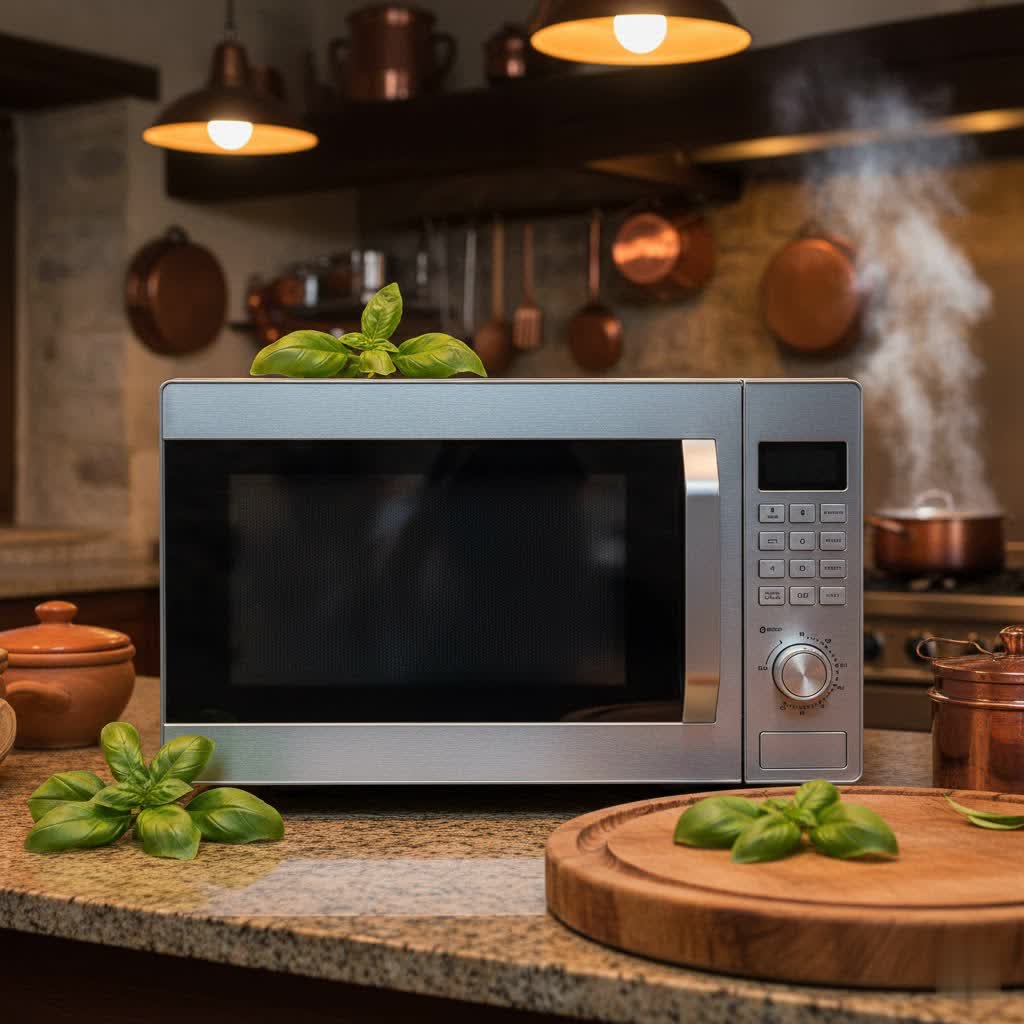
What is a Microwave Oven? Basic Operating Principle
At its core, a microwave oven is an electronic appliance that utilizes electromagnetic waves, specifically microwaves, to heat food. It’s a marvel of modern engineering designed for speed and convenience.
A specialized component called a magnetron generates high-powered radio waves. These waves are reflected by the metallic interior walls of the oven cavity and penetrate the food. Water, fat, and sugar molecules within the food absorb this microwave energy, causing them to vibrate rapidly. This molecular friction generates heat, cooking the food from within. The rotating turntable commonly found in microwaves helps ensure the energy is distributed evenly across the food, promoting uniform cooking. Modern microwave ovens are considered safe when used according to instructions, offering a quick and efficient way to prepare meals without compromising nutritional value.
Common Microwave Oven Types on the Market
Microwave ovens aren’t one-size-fits-all; they come in various types, each suited to different cooking needs and kitchen layouts. Understanding these distinctions is crucial for making an informed purchase.
By Function
- Basic (Solo) Microwave Ovens: These are the most straightforward and often the most affordable models. They are ideal for fundamental tasks such as reheating prepared food, defrosting frozen items, and simple cooking like boiling water or making popcorn. They operate solely with microwave energy.
- Grill Microwave Ovens: Building on the basic microwave’s capabilities, grill models incorporate a grilling element, often a quartz heater. This allows them to perform functions like grilling, toasting, and browning dishes, adding a crispy texture that a solo microwave cannot achieve. They are perfect for preparing items such as kebabs, grilled sandwiches, or gratins.
- Convection Microwave Ovens: These are the most versatile microwave ovens, essentially combining a microwave with a convection oven. They feature a heating element and a fan that circulates hot air throughout the cavity, enabling baking, roasting, and crisping, similar to a traditional oven. This makes them suitable for everything from baking cakes and cookies to roasting chicken, offering multi-functional cooking in a single appliance.
- Steam Microwave Ovens: While less common, some advanced models incorporate steam cooking. These units use a water reservoir to generate steam, ideal for healthier cooking of vegetables, fish, and dumplings, preserving nutrients and moisture.
|
Our Picks for the Best Microwave Oven in 2026
As an Amazon Associate I earn from qualifying purchases.
|
||
| Num | Product | Action |
|---|---|---|
| 1 | Farberware 1.1 Cu. Ft. Countertop Microwave Oven – 1000 Watts Power, Auto Cook Settings, Defrost, Easy Clean and Child Safety Lock - Stainless and Black |

|
| 2 | Chefman Countertop Microwave Oven 0.7 Cu. Ft., 700 Watts with 10 Power Levels, 6 Cooking Presets with One-Touch Express Cook, Eco Mode, Child Safety Lock, & Mute Button - Black |
|
| 3 | BLACK+DECKER EM720CB7 Digital Microwave Oven with Turntable Push-Button Door, Child Safety Lock, 700W, Stainless Steel, 0.7 Cu.ft |
|
| 4 | TOSHIBA ML-EM09PA(BS) Small Microwave Oven with 6 Auto Menus, Mute Function & Child Lock, LED Lighting, Perfect for Apartment, 0.9 Cu Ft, 10.6 Inch Removable Turntable, 900W, Black Stainless Steel |
|
| 5 | Beautiful 1.1 Cu Ft 1000W Sensor Microwave Oven – Compact Countertop with Smart Sensor Cooking, 10 Power Levels & Easy Clean Interior – Perfect for Quick Meals, Office & Holiday Hosting |
|
| 6 | TOSHIBA EM131A5C-BS Countertop Microwave Ovens 1.2 Cu Ft, 12.4" Removable Turntable Smart Humidity Sensor 12 Auto Menus Mute Function ECO Mode Easy Clean Interior Black Color 1000W |
|
| 7 | Farberware 1.1 Cu. Ft. Countertop Microwave Oven – 1000 Watt Power, Auto Cook Settings, Defrost, Easy Clean and Child Safety Lock - Stainless |
|
| 8 | TOSHIBA EM131A5C-SS Countertop Microwave Ovens 1.2 Cu Ft with 12.4" Removable Turntable Smart Humidity Sensor, 12 Auto Menus Mute Function ECO Mode Easy Clean Interior, 1000W, Silver |
|
| 9 | Nostalgia Retro Compact Countertop Microwave Oven, 0.7 Cu. Ft. 700-Watts with LED Digital Display, Child Lock, Easy Clean Interior, Aqua |
|
| 10 | Farberware 1.1 Cu. Ft. Countertop Microwave Oven – 1000 Watts Power, Auto Cook Settings, Defrost, Easy Clean and Child Safety Lock - Stainless |
|
By Installation
- Countertop Microwaves: These are freestanding units that simply sit on your kitchen counter and plug into an outlet. They offer the most flexibility in placement and are easy to move or replace. However, they occupy valuable counter space, which can be a consideration for smaller kitchens.
- Over-the-Range (OTR) Microwaves: Designed to be installed above your cooking range, these models save counter space by combining the functions of a microwave oven with a range hood. They include a fan and lighting to help ventilate cooking odors and illuminate your stovetop. While convenient, their venting capabilities may not be as powerful as dedicated range hoods, and installation can be more complex.
- Built-in Microwaves: These microwave ovens are seamlessly integrated into your kitchen cabinetry, either above a wall oven, below a countertop, or in a dedicated cabinet space. They offer a sleek, custom look that blends with your kitchen design. Built-in models often include drawer-style microwaves, which slide open like a drawer for easy top-loading access, perfect for those seeking an understated appearance. Installation requires precise measurements and often professional help.
By Technology
- Conventional Microwaves: These utilize a simple on/off power delivery, meaning they cycle between full power and off to achieve lower power settings. This can sometimes lead to uneven cooking.
- Inverter Microwaves: Featuring inverter technology, these ovens provide a consistent, continuous stream of microwave power at all settings, rather than cycling on and off. This results in more even cooking, better texture, and faster defrosting without overcooking edges. They are also generally more energy-efficient.
- Smart Microwaves: Equipped with Wi-Fi connectivity, smart microwave ovens offer advanced features like voice control, remote operation via a smartphone app, and sensor cooking that automatically adjusts cooking time and power based on humidity levels. Some even have “Scan-to-Cook” technology, allowing you to scan barcodes on food packaging for automatic setting adjustments.
Comparison Table of Microwave Oven Types
To help visualize the differences, here’s a quick comparison of the main functional types:
| Feature | Basic (Solo) Microwave | Grill Microwave | Convection Microwave |
|---|---|---|---|
| Functions | Reheating, Defrosting, Basic Cooking | All Solo functions + Grilling, Toasting | All Grill functions + Baking, Roasting, Air Frying |
| Price Range | $ (Most Affordable) | $$ (Mid-Range) | $$$ (Premium) |
| Pros | Simple, easy to use, compact, budget-friendly | Adds browning and crisping capabilities | Highly versatile, replaces a conventional oven, even cooking |
| Cons | Limited cooking functions, no browning | No baking or roasting | Higher cost, can be larger, longer cooking times for some convection functions |
How to Choose the Right Microwave Oven
Selecting the ideal microwave oven involves more than just picking a pretty model. It requires a thoughtful consideration of your lifestyle, cooking habits, and kitchen specifics.
Determine Your Usage Needs
Start by assessing how you typically use or plan to use a microwave oven. Do you mostly reheat leftovers and defrost frozen meals for one or two people? Or do you cook full meals, bake, or grill for a larger family? Your primary purpose will guide your choice of type and features. A family that frequently bakes might prioritize a convection microwave, while a busy professional living alone might prefer a compact solo model for quick meals.
Choose the Right Capacity
Microwave oven capacity is measured in cubic feet (cu. ft.) or liters (L), and it dictates how much food the oven can hold.
- Small (0.7–1.0 cu. ft. / <20 liters): Ideal for individuals or small households (1-2 people) primarily using it for reheating or defrosting single servings.
- Medium (1.1–1.6 cu. ft. / 21–30 liters): Suitable for average-sized families (3-4 people) who cook and reheat moderately. These can accommodate most dinner plates and small casserole dishes.
- Large (1.7 cu. ft.+ / >30 liters): Best for large families (5+ people) or those who entertain frequently and need to cook larger dishes, roasts, or use big cookware.
Remember to consider the internal dimensions and turntable size, as the usable space can be less than the advertised volume. A larger turntable is often beneficial for more even cooking.
Select Appropriate Wattage
Wattage indicates the microwave oven’s power level; higher wattage generally means faster and more even cooking.
- Lower Wattage (600-900W): Typically found in smaller, more basic models. These are sufficient for reheating and defrosting but will take longer and might cook less evenly.
- Higher Wattage (1000-1200W+): Most recipes are developed for 1000W microwaves. These models cook food more quickly and consistently, making them suitable for a wider range of cooking tasks. If speed and evenness are priorities, aim for 1000W or higher.
Opt for Convenient Features
Modern microwave ovens come packed with features designed to simplify your cooking experience. Consider which ones will genuinely enhance your daily routine:
- Child Safety Lock: Essential for households with young children, preventing accidental operation.
- Cooking Sensors: Humidity-sensing technology detects steam levels and automatically adjusts cooking time and power, preventing overcooking and eliminating guesswork.
- Pre-set Programs/Shortcut Keys: One-touch buttons for common foods like popcorn, potatoes, or beverages, simplifying operation.
- Auto Defrost: Allows you to input the food’s weight, and the microwave automatically calculates the optimal defrosting time.
- Multistage Cooking: This feature enables you to program different power levels and cooking times in a sequence, ideal for recipes that require varying heat stages.
- Inverter Technology: As mentioned, this provides a constant power flow for more even cooking and defrosting.
- Control Panel Type: Mechanical knobs are sturdy and easy, while touch panels offer a sleek look and are often easy to clean.
- Deodorization Function: Some models include a feature to circulate air and reduce lingering food odors.
- Energy Star Rating: Look for this label to ensure energy efficiency and save on electricity bills.
Choose a Reputable Brand
Investing in a microwave oven from a well-known brand often guarantees better quality, reliability, customer support, and warranty coverage. Popular brands renowned for their microwave ovens include Sharp, Panasonic, Electrolux, Samsung, LG, Breville, Toshiba, GE, Whirlpool, and KitchenAid. Researching specific model reviews within these brands can further refine your choice.
Inspect the Product Before Buying
Before finalizing your purchase, if possible, physically inspect the microwave oven. Check its exterior for any damage, test the door mechanism, and ensure all buttons and controls feel responsive. Confirm that all advertised accessories are included.
Consult User Reviews
User reviews and expert ratings offer invaluable real-world insights into a microwave oven’s performance, durability, and user-friendliness. Pay attention to common complaints or praises regarding specific features or models.
Consider Your Budget and Kitchen Aesthetics
Microwave ovens vary significantly in price, depending on their type, features, and brand. Countertop models are generally the most affordable, while built-in and convection models tend to be more expensive due to their advanced features and installation requirements. Additionally, consider how the microwave oven will fit into your kitchen’s overall design. Measure your available space precisely, especially for built-in or over-the-range units, and think about finishes (e.g., stainless steel, black, white) that complement your existing appliances and decor.
Top-Rated Microwave Oven Models Today
The market for microwave ovens is dynamic, with new models constantly emerging. Based on recent reviews and popular sentiment, here are some highly regarded types that consistently deliver performance and value across different categories:
- Best Overall Value: Models like the Toshiba EM131A5C-BS often receive praise for their balance of performance, features, and affordability. They typically offer 1100W of power, sensor cooking, and essential presets, making them a reliable choice for daily use.
- Premium Performance: The Breville Smooth Wave Microwave is frequently highlighted for its quiet operation, intuitive interface, and exceptional cooking results, excelling in tasks from popcorn to defrosting. It often includes smart presets and a soft-close door for a refined user experience.
- Large Capacity & Innovation: For those needing ample space and advanced technology, Panasonic ovens with Cyclonic Wave Inverter Technology are top contenders. These models are designed for even heating in larger dishes and come with numerous sensor-cooking functions, ideal for robust meal preparation.
- Versatile Multi-Function: The Panasonic HomeChef 4-in-1 and similar models that combine microwave, convection bake, broiler, and air fryer functions are highly recommended for their space-saving multi-functionality, allowing users to perform diverse cooking tasks in one appliance.
- Over-the-Range Options: GE JVM6175SKSS and other quality over-the-range units are favored for integrating microwave functionality with a ventilation system, freeing up counter space while offering efficient heating and cooking.
These examples represent a spectrum of options, showcasing how manufacturers cater to diverse needs, from basic reheating to comprehensive culinary capabilities. Always check the latest reviews and specifications to find the model best suited for you.
How to Use and Maintain Your Microwave Oven Correctly
Proper usage and regular maintenance are key to ensuring the longevity and efficient performance of your microwave oven, while also ensuring safety in your kitchen.
Usage Guidelines
- Read the Manual: Always start by thoroughly reading your microwave oven’s operating manual. It contains specific instructions and safety warnings for your model.
- Use Microwave-Safe Cookware: Only use dishes labeled “microwave-safe.” Avoid metal or metal-trimmed containers, aluminum foil, and old or chipped dishes, as these can cause arcing and damage the appliance.
- Do Not Operate Empty: Never run the microwave oven when it’s empty, except for specific “prep-heat” modes if your model has them. Operating it empty can damage the magnetron. A simple tip is to leave a cup of water inside when not in use; if accidentally started, the water will safely absorb the microwaves.
- Proper Placement: Ensure adequate clearance space around the microwave as recommended by the manufacturer (typically 6 inches above and 4 inches behind) to prevent overheating and allow proper ventilation. Do not cover the ventilation slots.
- Avoid Sealed Containers: Liquids or other foods should not be heated in sealed containers, as pressure can build up and cause them to explode.
- Puncture Food with Skins: Pierce foods with skins (like potatoes or hot dogs) before cooking to allow steam to escape and prevent bursting. Do not cook whole eggs in their shells.
- Use Appropriate Power Settings: Understand your microwave’s power levels. Using lower power for longer periods is often better for delicate foods or melting, while high power is suitable for quick reheating.
Cleaning and Maintenance Tips
- Regular Cleaning: Wipe down the interior and exterior of your microwave oven regularly with a damp cloth and mild detergent. Food splatters, if left, can harden and become difficult to remove, or even absorb microwave energy, potentially causing issues.
- Remove Odors: To remove stubborn odors, place a bowl of water with lemon slices, orange peels, or white vinegar inside and microwave it on high for 5-10 minutes. Let it sit for a few minutes before wiping the interior clean.
- Clean the Turntable: The glass turntable and its support ring should be removed and washed in warm, soapy water or in the dishwasher (if dishwasher-safe). Do not rinse a hot turntable with cold water immediately after cooking, as thermal shock can cause it to crack.
- Check Door Seals: Regularly inspect the door seals and hinges for any signs of damage or wear. A properly sealing door is crucial for safe operation.
- Replace Filters (OTR Models): For over-the-range microwaves, clean or replace grease filters regularly (typically every 3-6 months) and replace charcoal filters (if present) every 6-12 months to maintain effective ventilation.
Safety Precautions
- Supervise Cooking: Do not leave your microwave oven unattended, especially when cooking foods prone to overheating or flammability (e.g., popcorn).
- Handle Hot Dishes with Care: Always use oven mitts or gloves when removing dishes from the microwave, as they can become extremely hot.
- Beware of Superheated Liquids: Liquids heated in a microwave can become superheated (beyond boiling point without visible bubbles). Stir carefully before removing, and allow them to stand for a moment to prevent sudden boiling over.
- Never Attempt Repairs: If your microwave oven malfunctions or shows signs of damage, do not attempt to repair it yourself. Contact an authorized service center immediately, as microwave ovens contain high-voltage components.
Common Microwave Oven Problems and Solutions
Even the most reliable microwave ovens can encounter issues. Knowing common problems and basic troubleshooting can save you time and hassle.
-
Microwave Not Heating Food:
- Check Power: Ensure the microwave is plugged in securely and the circuit breaker hasn’t tripped.
- Door Latch: The door might not be closing properly. Clean the latch area for any food debris. If the latch mechanism is broken, professional repair is needed.
- Wattage Settings: Confirm the power level is set correctly, not on a low defrost setting.
- Internal Component Failure: If none of the above, it could indicate a magnetron or diode failure, requiring professional service.
-
Microwave Making Unusual Noises:
- Turntable Issues: Check if the turntable is properly seated on its support and if the support ring is clean and undamaged.
- Loose Parts: Screws or internal components might have come loose.
- Magnetron/Fan Issues: A loud buzzing, grinding, or humming noise could signal a problem with the magnetron, cooling fan, or high-voltage transformer, necessitating professional inspection.
-
Sparks or Arcing Inside:
- Metal Objects: Immediately stop the microwave if you see sparks. Remove any metal objects, aluminum foil, or dishes with metallic trim.
- Food Debris: Burnt food particles or grease buildup can cause arcing. Clean the interior thoroughly.
- Damaged Waveguide Cover: The mica sheet (waveguide cover) inside can get damaged or covered in food. If damaged, it needs replacement.
-
Turntable Not Rotating:
- Obstruction: Check for food debris or crumbs beneath the turntable.
- Motor/Coupler: The turntable motor or the plastic coupler connecting it might be faulty. These parts can often be replaced.
-
Microwave Oven Door Not Closing Properly:
- Debris: Clear any food particles or obstructions from the door and latch mechanism.
- Damaged Latch: The door latch hooks or springs may be broken, requiring a replacement part or professional repair.
For any issues beyond simple cleaning or minor adjustments, it’s always best to consult the manufacturer’s troubleshooting guide or contact a qualified technician. Attempting complex repairs yourself can be dangerous.
Conclusion
Choosing the right microwave oven is an investment in your kitchen’s efficiency and your culinary convenience. By understanding the different types—from basic solo models for simple reheating to sophisticated convection and smart microwaves that offer a full range of cooking functions—and carefully considering factors like capacity, wattage, and features, you can make an informed decision. Remember to balance your cooking needs, kitchen space, and budget to find a microwave oven that not only fits seamlessly into your home but also elevates your everyday cooking experience.
What features do you prioritize most when considering a new microwave oven for your kitchen?
Frequently Asked Questions
What’s the main difference between a convection microwave and a standard microwave?
A standard (solo) microwave oven only uses microwave energy to heat and defrost food, while a convection microwave oven combines microwave technology with a heating element and a fan to circulate hot air, allowing it to bake, roast, and grill like a conventional oven, offering much greater versatility.
How many watts should a good microwave oven have?
For efficient and even cooking, a microwave oven with 1000 watts or more is generally recommended. Microwaves with higher wattage cook food faster and more consistently, making them suitable for most recipes and daily heating tasks.
Is an inverter microwave oven better than a conventional one?
Yes, inverter microwave ovens are generally considered better. They deliver a continuous stream of power at all settings, leading to more even cooking, better texture preservation, and faster, more thorough defrosting compared to conventional microwaves that cycle power on and off.
What size microwave oven is best for a family of four?
For a family of four, a microwave oven with a capacity of 1.1 to 1.6 cubic feet (21 to 30 liters) is typically ideal. This size provides enough internal space to accommodate standard dinner plates and most medium-sized casserole dishes for daily cooking and reheating needs.
Can I install a countertop microwave in a cabinet?
While countertop microwaves are designed for freestanding use, some models can be installed into a cabinet with the addition of a compatible trim kit. The trim kit provides a finished, built-in look and ensures proper ventilation. Always check the manufacturer’s specifications for trim kit compatibility and required clearances.
