In today’s fast-paced world, kitchen appliances that offer both efficiency and versatility are highly sought after. Imagine an appliance that can swiftly reheat your leftovers, perfectly roast a chicken, and even bake a delicate cake – all from a single unit. This is the promise of the combination microwave oven, a game-changer designed to streamline your cooking experience and optimize kitchen space. This comprehensive guide will demystify combination microwave ovens, helping you understand their functionality, explore the diverse options available, and ultimately select the perfect model to elevate your culinary endeavors.
What is a Combination Microwave Oven? Understanding the Basics
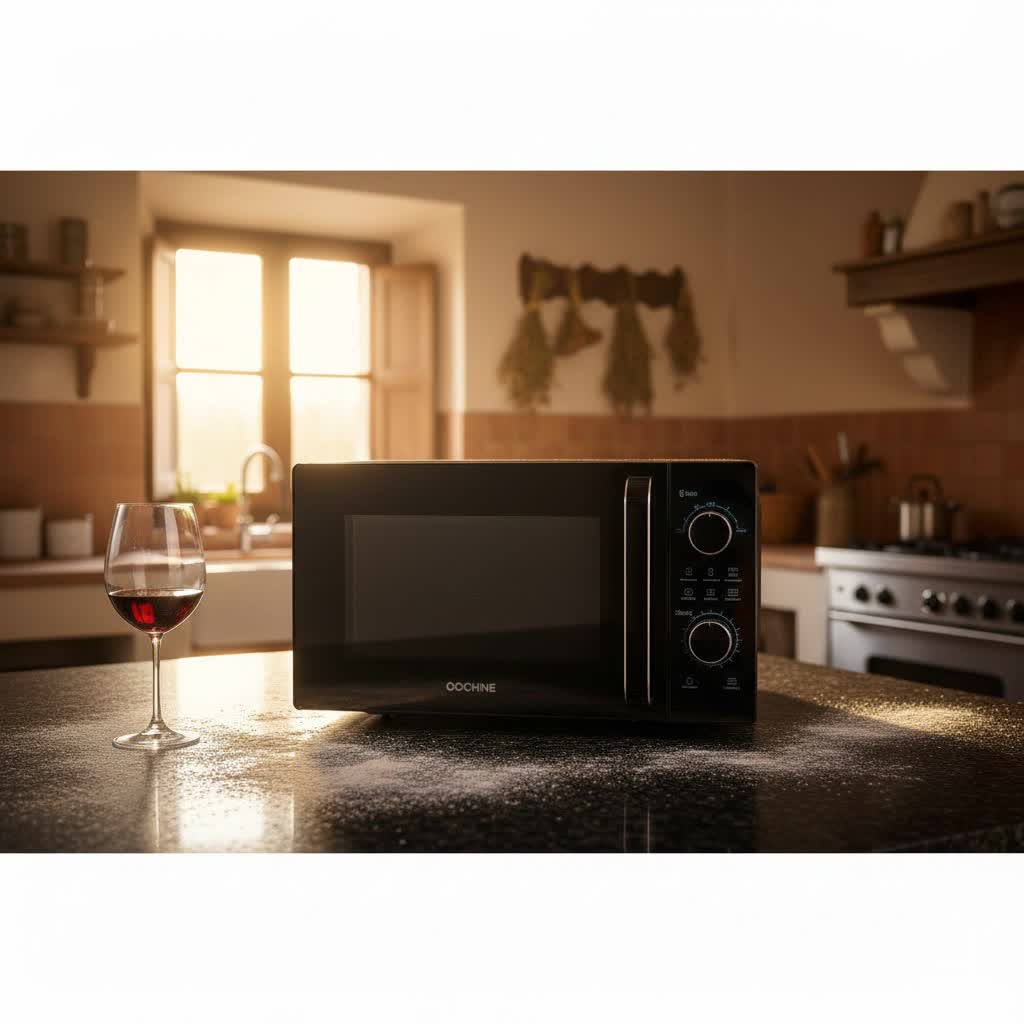
A combination microwave oven, often referred to as a “combi oven,” is a multi-functional kitchen appliance that merges the rapid heating capabilities of a standard microwave with the traditional cooking methods of a conventional oven. At its core, it combines microwave energy with other heating elements like convection fans and grills.
The basic principle behind a microwave is the use of electromagnetic waves to excite water molecules within food, causing it to heat up quickly. However, this method doesn’t typically brown or crisp food. This is where the “combination” aspect comes in. These ovens integrate:
- Convection Heating: A fan circulates hot air evenly throughout the oven cavity, mimicking a conventional oven for baking, roasting, and consistent cooking. This ensures dishes cook uniformly and develop a desirable crispy exterior.
- Grilling Elements: These provide intense direct heat from the top, ideal for browning, toasting, and achieving a crispy finish on dishes like gratins or grilled sandwiches.
Some advanced combination models also incorporate steam cooking for healthier, moist dishes, or even air frying for crispy results with less oil, truly offering a versatile cooking hub.
Types of Combination Microwave Ovens
The market offers a diverse range of combination microwave ovens, categorized primarily by their functionality and installation type. Understanding these distinctions is key to finding the model that best suits your lifestyle and kitchen layout.
By Functionality
- Basic Combination Microwaves: These typically combine microwave cooking with either a grill or convection oven function. They are excellent for reheating, defrosting, and light baking or grilling.
- Advanced Combination Ovens (e.g., 3-in-1, 4-in-1, 5-in-1): These units offer a wider array of cooking modes. Beyond microwave, convection, and grill, many include:
- Steam Cooking: Utilizing steam to cook vegetables, fish, and other delicate foods, preserving nutrients and moisture.
- Air Fry Functionality: Circulating extremely hot air to mimic deep frying, perfect for crispy foods like fries or chicken wings with minimal oil.
|
Our Picks for the Best Microwave Oven in 2026
As an Amazon Associate I earn from qualifying purchases.
|
||
| Num | Product | Action |
|---|---|---|
| 1 | TOSHIBA ML-EM09PA(BS) Small Microwave Oven with 6 Auto Menus, Mute Function & Child Lock, LED Lighting, Perfect for Apartment, 0.9 Cu Ft, 10.6 Inch Removable Turntable, 900W, Black Stainless Steel |

|
| 2 | BLACK+DECKER EM720CB7 Digital Microwave Oven with Turntable Push-Button Door, Child Safety Lock, 700W, Stainless Steel, 0.7 Cu.ft |
|
| 3 | Chefman Countertop Microwave Oven 0.7 Cu. Ft., 700 Watts with 10 Power Levels, 6 Cooking Presets with One-Touch Express Cook, Eco Mode, Child Safety Lock, & Mute Button - Black |
|
| 4 | Beautiful 1.1 Cu Ft 1000W Sensor Microwave Oven – Compact Countertop with Smart Sensor Cooking, 10 Power Levels & Easy Clean Interior – Perfect for Quick Meals, Office & Holiday Hosting |
|
| 5 | TOSHIBA EM131A5C-SS Countertop Microwave Ovens 1.2 Cu Ft with 12.4" Removable Turntable Smart Humidity Sensor, 12 Auto Menus Mute Function ECO Mode Easy Clean Interior, 1000W, Silver |
|
| 6 | TOSHIBA EM131A5C-BS Countertop Microwave Ovens 1.2 Cu Ft, 12.4" Removable Turntable Smart Humidity Sensor 12 Auto Menus Mute Function ECO Mode Easy Clean Interior Black Color 1000W |
|
| 7 | Nostalgia Retro Compact Countertop Microwave Oven, 0.7 Cu. Ft. 700-Watts with LED Digital Display, Child Lock, Easy Clean Interior, Aqua |
|
| 8 | Farberware 1.1 Cu. Ft. Countertop Microwave Oven – 1000 Watts Power, Auto Cook Settings, Defrost, Easy Clean and Child Safety Lock - Stainless and Black |
|
| 9 | Farberware 1.1 Cu. Ft. Countertop Microwave Oven – 1000 Watt Power, Auto Cook Settings, Defrost, Easy Clean and Child Safety Lock - Stainless |
|
| 10 | Farberware 1.1 Cu. Ft. Countertop Microwave Oven – 1000 Watts Power, Auto Cook Settings, Defrost, Easy Clean and Child Safety Lock - Stainless |
|
By Installation
- Countertop Models: These are freestanding units that sit on your kitchen counter. They are generally more affordable and offer flexibility in placement. While they save space compared to having a separate microwave and a small countertop oven, they still occupy valuable counter real estate.
- Built-in (Wall Oven Combo): Integrated directly into your kitchen cabinetry, these units offer a sleek, seamless look that elevates kitchen aesthetics. They free up counter space and are often preferred in modern, custom kitchen designs. Built-in models can be more complex and costly to install, sometimes requiring a dedicated 240V electrical circuit.
- Over-the-Range (OTR) Microwaves: These models are installed above your cooktop, combining a microwave, an oven (often with convection or grill), and a ventilation hood in one unit. They are excellent space-savers, especially for smaller kitchens, by utilizing vertical space.
By Technology
- Standard Combination Microwaves: These use conventional heating elements for the oven functions.
- Inverter Technology Microwaves: Often found in higher-end models, inverter technology provides a consistent and continuous power output, allowing for more precise cooking and more even defrosting compared to traditional on/off cycling methods. This can lead to better-cooked food and reduced cooking times.
Combination Microwave Oven Pros and Cons
Like any versatile appliance, combination microwave ovens come with a unique set of advantages and disadvantages. Weighing these factors is crucial before making your investment.
Advantages
- Unmatched Versatility: This is arguably the biggest draw. A single appliance handles reheating, defrosting, baking, roasting, grilling, and often steaming or air frying. This expands your cooking possibilities significantly without needing multiple dedicated machines.
- Space-Saving Design: By consolidating the functions of a microwave and an oven (or even a grill, steamer, and air fryer), these units are ideal for smaller kitchens or anyone looking to reduce countertop clutter and create a more streamlined look. Built-in models, in particular, free up valuable workspace.
- Increased Efficiency and Time-Saving: Combination cooking modes, such as microwaving followed by a quick grill, can drastically reduce cooking times. Many models also preheat faster than conventional ovens, making them perfect for busy weeknights or serving as a convenient second oven for larger meals.
- Modern Aesthetic: Built-in wall oven microwave combos offer a sophisticated, integrated look that enhances the overall design of your kitchen.
- Advanced Features: Many contemporary models boast sensor cooking technology (which automatically adjusts cooking times), smart connectivity for remote control via smartphone apps, pre-programmed recipes, and multi-stage cooking options.
- Potential Energy Savings: For smaller dishes, heating a combination oven’s smaller cavity can be more energy-efficient than using a full-sized conventional oven.
Disadvantages
- Higher Upfront Cost: Combination microwave ovens are generally more expensive than purchasing a basic microwave and a separate conventional oven, especially for high-end built-in models.
- Complexity in Operation and Cleaning: With more functions comes a more intricate interface, which can take time to master. The internal components, particularly for convection and grill features, require more thorough cleaning than a simple microwave, akin to maintaining a traditional oven. Grease and food splatters accumulate from roasting and grilling.
- Repair Challenges: If one function malfunctions, the entire unit may need servicing or replacement, potentially leaving you without both a microwave and an oven. Some user experiences on online forums indicate that combination units can be more prone to breakdowns and harder to repair due to specialized parts.
- Capacity Limitations: While larger than a solo microwave, the interior capacity of a combination oven is typically smaller than a full-sized conventional oven, which might be a consideration for very large families or extensive batch cooking.
- Compromised Performance (in some cases): While many models excel, some users report that the microwave function in a combi oven can be slower or less effective than a dedicated solo microwave. Similarly, the oven performance might not always match that of a high-end conventional oven.
- Installation Demands: Built-in models require professional installation, which adds to the overall cost and complexity. They may also necessitate specific electrical requirements.
How to Choose the Right Combination Microwave Oven
Selecting the ideal combination microwave oven requires careful consideration of your specific needs, budget, and kitchen setup. Follow these steps to make an informed decision.
1. Assess Your Usage Needs
- Cooking Habits: Do you frequently bake, roast, or grill? Or is your primary need quick reheating and defrosting with occasional cooking? If you’re a passionate baker, look for models with robust convection performance. If speed is paramount, prioritize models with strong microwave and rapid convection features.
- Family Size: The number of people you cook for dictates the required capacity.
- Small (under 20 liters): Ideal for 1-2 people, mostly for reheating and small meals.
- Medium (20-30 liters): Suitable for 3-4 people, can handle small roasts or family-sized dishes.
- Large (over 30 liters): Best for larger families or those who frequently cook substantial meals like whole chickens or multiple dishes.
- Available Space: Decide whether a countertop model is sufficient or if you have the budget and kitchen design to accommodate a built-in or over-the-range unit. Built-in models save counter space but require permanent installation.
2. Key Features to Look For
- Cooking Modes: Ensure the unit offers the specific cooking functions you need (convection, grill, steam, air fry). Don’t pay extra for features you won’t use.
- Power (Wattage): Higher microwave wattage (e.g., 900-1200W) generally means faster cooking and more consistent results. For convection, check the power of the heating elements.
- Capacity: As discussed, choose a size that fits your family’s needs. Remember that a flatbed design (no turntable) can offer slightly more usable internal space.
- Controls and Interface: Look for an intuitive control panel, whether it’s touch-screen, dial-based, or a combination. Easy-to-read displays and logical button layouts can significantly improve the user experience.
- Pre-set Programs and Auto-Cook Functions: These settings take the guesswork out of cooking by automatically adjusting power and time for common dishes. Multi-stage cooking allows you to program different cooking methods in sequence (e.g., defrost, microwave, then grill).
- Smart Features: Wi-Fi connectivity, app control, and compatibility with voice assistants (like Alexa or Google Assistant) can offer convenience, such as remote monitoring or guided cooking.
- Cleaning Features: Look for interior coatings that are easy to wipe clean, self-cleaning oven functions (for built-in models), or removable parts for easier maintenance.
- Energy Efficiency: While combi ovens use more energy than solo microwaves due to their oven functions, some models are more efficient than others. Check energy ratings if this is a priority.
- Safety Features: Child lock functions are essential for families with young children.
3. Consider Brand Reputation and Reviews
Research reputable brands known for quality and reliability in kitchen appliances. Popular brands include Sharp, Panasonic, Electrolux, Samsung, LG, KitchenAid, GE Profile, Bosch, Breville, Cafe, and Thermador. Read expert reviews from consumer testing organizations and user testimonials to get a balanced view of real-world performance and durability. Pay attention to comments about ease of use, cleaning, and customer service.
“A quality combination microwave oven is not just a microwave; it’s a culinary assistant that expands your kitchen’s capabilities, allowing for diverse cooking methods in a single, compact footprint.”
4. Inspect the Product In-Store (if possible)
If buying from a physical retailer, examine the appliance. Check the build quality, door mechanism, internal lighting, and the ease of accessing controls. Ensure any included accessories (like grill racks or baking trays) are sturdy and well-designed.
Top Combination Microwave Oven Models Worth Considering
The market is rich with excellent combination microwave ovens, catering to various budgets and needs. Here’s a glimpse at some highly-rated options and features you might find:
- Panasonic HomeChef 4-in-1 Microwave Oven: Often praised for its inverter technology, combining microwave, convection, broiler, and air fryer functions. It’s known for even cooking and versatile pre-sets.
- Breville Combi Wave 3-in-1: A popular countertop choice, featuring microwave, convection oven, and air fryer. It’s lauded for its premium build, quiet operation, and “Fast Combi” mode for quicker meals.
- Samsung Smart Combination Microwave Ovens: Many Samsung models offer robust grill functions, smart app connectivity, and sometimes even steam or air fry capabilities, making them highly versatile for modern kitchens.
- GE Profile Built-in Combination Wall Ovens: These high-end units often feature “Speedcook” technology using halogen heat for oven-quality results 2 to 4 times faster than conventional ovens, along with true convection in the lower oven.
- Bosch 800 Series Combination Ovens: Known for their sleek design, reliability, and European convection, offering even baking and roasting. Many include sensor cooking programs and smart home connectivity.
- KitchenAid Smart Oven/Micro Combos: These frequently boast Even-Heat True Convection, temperature probes, and unique interchangeable attachments for grilling, steaming, or using a baking stone, all controllable via a mobile app.
When exploring models, consider which features (like air frying, steaming, or smart connectivity) are most important to your cooking style.
Using and Maintaining Your Combination Microwave Oven Correctly
To maximize the lifespan and performance of your combination microwave oven, proper usage and diligent maintenance are essential.
Smart Usage Tips
- Read the Manual: Always start by thoroughly reading the manufacturer’s manual. Each model has unique features and specific instructions for its various cooking modes.
- Use Appropriate Cookware: While microwave-safe dishes are fine for microwave mode, convection and grill functions require oven-safe materials like ceramic, glass, or metal (ensure no metal touches the oven walls or racks during microwave-only use).
- Utilize Combination Modes: Experiment with combining microwave and convection/grill settings for faster cooking and better browning, especially for roasts or casseroles.
- Preheating: For convection and grill functions, preheating is often necessary to achieve optimal results, just like a conventional oven.
- Ventilation: Ensure adequate space around countertop models for proper ventilation. Built-in units usually have their own ventilation systems.
Cleaning and Care for Longevity
- Regular Wiping: Wipe down the interior and exterior surfaces after each use with a damp cloth and mild detergent to prevent food splatters from hardening.
- Deep Cleaning: For convection and grill functions, food residues and grease can build up.
- For the interior, use a non-abrasive oven cleaner or a mixture of baking soda and water for stubborn stains.
- Remove any turntables, racks, or accessories and wash them separately.
- Many built-in ovens come with self-cleaning or steam-clean cycles; follow the manual’s instructions for these features.
- Avoid Harsh Cleaners: Abrasive pads or harsh chemical cleaners can damage the interior coatings and surfaces.
- Door Seal: Keep the door seal clean to ensure it closes properly, which is crucial for efficient and safe operation.
- Ventilation Filters (for OTR models): Clean or replace charcoal and grease filters regularly as per the manufacturer’s recommendations.
Common Issues and Troubleshooting
Even with the best care, combination microwave ovens can encounter minor issues. Here are some common problems and simple troubleshooting steps:
- Food Not Heating or Cooking Evenly:
- Microwave Mode: Ensure you’re using microwave-safe dishes. Stir or rotate food halfway through. Check if the turntable (if present) is rotating.
- Convection/Grill Mode: Ensure the oven is preheated. Don’t overcrowd the cavity, allowing hot air to circulate. Check if the fan is working for convection.
- Oven Not Browning/Crisping:
- This often indicates insufficient preheating or incorrect temperature settings for the grill/convection function. Ensure food is placed on appropriate racks for browning.
- Strange Noises:
- Minor humming is normal. Rattling might indicate a loose turntable or accessory. Loud buzzing or grinding could point to a more serious issue with the magnetron or fan.
- Control Panel Unresponsive:
- Try unplugging the appliance for a few minutes to reset the system, then plug it back in.
- Error Codes:
- Consult your appliance manual immediately. Error codes are specific to each model and indicate particular problems.
When to Call a Professional: If you experience consistent power issues, unusual sparks, persistent strange noises, smoke, or if troubleshooting steps don’t resolve the problem, it’s safest to disconnect the appliance and contact a qualified service technician. Attempting complex repairs yourself can be dangerous and void warranties.
Conclusion
The combination microwave oven stands as a testament to modern kitchen innovation, offering unparalleled versatility and space-saving benefits for diverse culinary needs. Whether you’re a busy professional needing quick meal solutions or a passionate home cook seeking to expand your repertoire, these multi-functional appliances can transform your kitchen experience. By carefully considering your usage habits, desired features, and installation preferences, you can select a unit that not only streamlines your cooking but also elevates the aesthetic and efficiency of your home. Investing in the right combination microwave oven means embracing a world where convenience meets gourmet, all within a single, powerful appliance.
Are you ready to discover how a combination microwave oven can simplify and enhance your daily cooking routine?
Frequently Asked Questions
Are microwave oven combos a good idea for every kitchen?
Microwave oven combos are an excellent idea for kitchens with limited space or for those who desire a sleek, integrated look without sacrificing diverse cooking functionality. They consolidate several appliances into one, offering versatility for baking, roasting, grilling, and microwaving. However, for those needing the largest capacity or the absolute best performance from dedicated units, separate appliances might be preferable.
Can you bake and roast effectively in a combination microwave oven?
Yes, most combination microwave ovens, especially those with true convection features, are very effective for baking and roasting. The circulating hot air ensures even cooking, while the grill function can add browning and crispiness. For optimal results, ensure the oven is preheated to the correct temperature, similar to a conventional oven, and use appropriate cookware.
Do combination microwaves use more energy than standard microwaves?
Yes, generally, combination microwave ovens use more energy than basic solo microwaves when utilizing their convection or grill functions, as these modes operate like a traditional oven. However, they can be more energy-efficient than a full-sized conventional oven for cooking smaller meals, as their smaller cavity heats up faster. Some models also feature inverter technology for more efficient power delivery.
How long do combination microwave ovens typically last?
The lifespan of a combination microwave oven can vary significantly based on brand quality, usage frequency, and maintenance. On average, you can expect these appliances to last between 7 to 10 years, similar to traditional microwaves or ovens. Regular cleaning and prompt addressing of minor issues can help extend their operational life.
What is a “speed oven” and how does it relate to combination microwave ovens?
A speed oven is a type of combination oven that merges microwave energy with convection (and sometimes other heating elements like halogen or intense radiant heat) to cook food significantly faster than a conventional oven, often without preheating. While all speed ovens are combination ovens, not all combination ovens are specifically marketed as “speed ovens,” which often implies an emphasis on ultra-fast cooking times.
