In the heart of every home, the kitchen, convenience and efficiency are paramount. For many, a microwave oven is an indispensable tool, streamlining everything from reheating leftovers to preparing quick meals. However, traditional countertop microwaves can quickly devour valuable workspace, leaving kitchens feeling cluttered and cramped. This comprehensive guide delves into the world of “over-the-counter” microwave ovens, exploring innovative solutions that reclaim your precious countertop real estate without compromising on functionality or style. We’ll clarify what these appliances truly are, how they work, and what to consider when choosing the perfect model to elevate your culinary space.
What is an Over-the-Counter Microwave Oven? Understanding the Concept
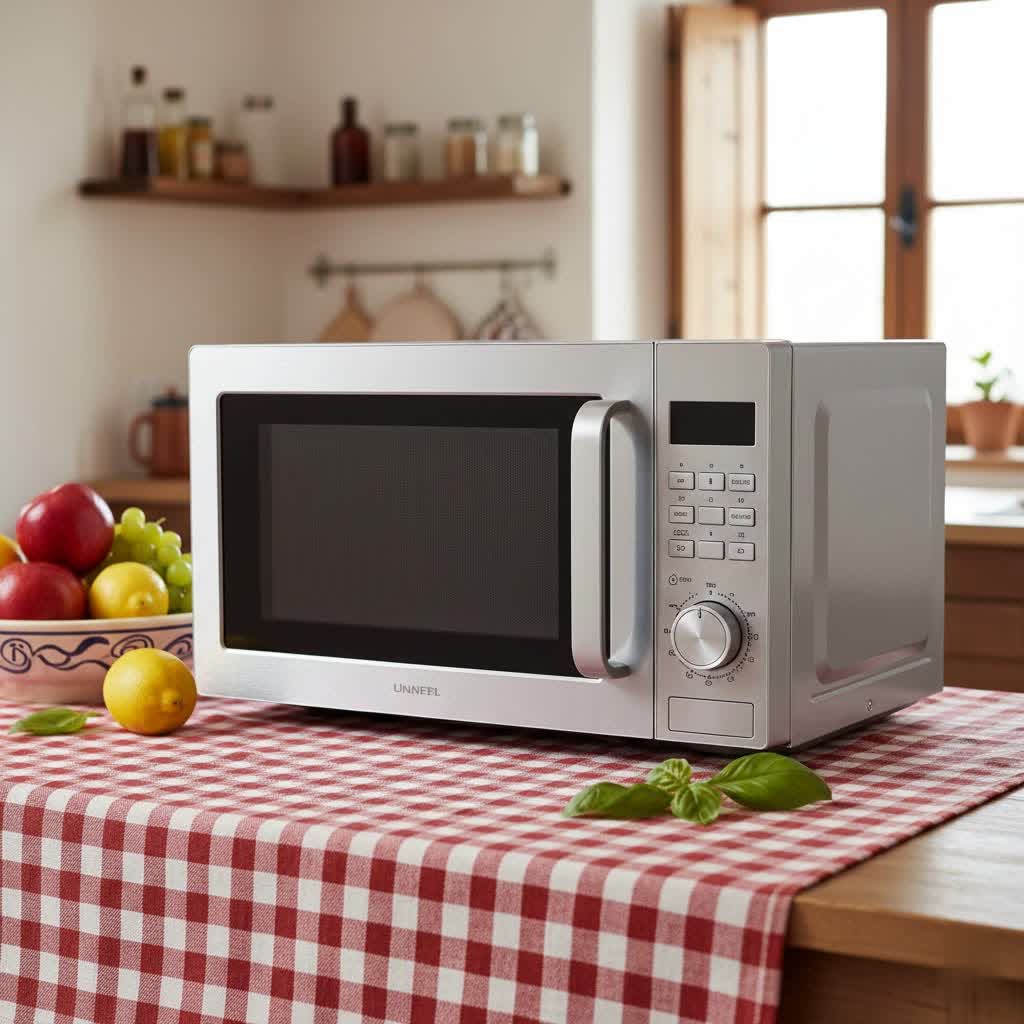
When people refer to an “over-the-counter microwave oven,” they are typically describing a microwave designed to be installed above or within cabinetry, rather than simply sitting on the kitchen counter. The primary purpose of these units is to free up valuable countertop space. This term often leads to some confusion, as it’s frequently used interchangeably with “over-the-range microwaves,” but it can also encompass other space-saving designs like under-cabinet models or microwave drawers. Essentially, if it’s not taking up prime counter space, it fits the spirit of an “over-the-counter” solution.
How Over-the-Counter Microwaves Work: The Basic Principles and Beyond
At its core, every microwave oven operates on the principle of using magnetrons to generate microwaves—a form of electromagnetic radiation. These waves excite water molecules within food, causing them to vibrate rapidly and generate heat, cooking the food from within.
For models designed to be installed off the counter, the operational principles remain the same, but the integration into the kitchen environment introduces additional functionalities. For instance, over-the-range (OTR) microwaves not only cook food but also often incorporate a ventilation system, acting as a range hood to clear smoke, steam, and odors from the cooktop below. Built-in and under-cabinet models focus on seamless integration, often featuring design elements that blend with cabinetry and touch controls for a sleek appearance. Many advanced models also feature sensor cooking, which detects moisture levels in food and automatically adjusts cooking time and power, taking the guesswork out of meal preparation.
Types of Microwaves That Free Up Counter Space
The market offers several types of microwave ovens specifically designed to reclaim your kitchen countertops. Understanding their differences is key to choosing the right fit for your home.
Over-the-Range (OTR) Microwaves
Over-the-range microwaves are perhaps the most common interpretation of an “over-the-counter” unit. These appliances are installed directly above your cooktop or range, serving a dual purpose as both a microwave and a range hood.
- Key Features: Integrated exhaust fan (vented outside or recirculating with filters), overhead lighting for the cooktop, various cooking modes.
- Advantages: Excellent for kitchens with limited counter space, combines two essential appliances into one, provides ventilation for cooking.
- Considerations: Requires specific installation above a range, ventilation performance (CFM) varies, may sit lower over the cooktop than a dedicated range hood.
|
Our Picks for the Best Microwave Oven in 2026
As an Amazon Associate I earn from qualifying purchases.
|
||
| Num | Product | Action |
|---|---|---|
| 1 | Farberware 1.1 Cu. Ft. Countertop Microwave Oven – 1000 Watts Power, Auto Cook Settings, Defrost, Easy Clean and Child Safety Lock - Stainless and Black |

|
| 2 | TOSHIBA EM131A5C-SS Countertop Microwave Ovens 1.2 Cu Ft with 12.4" Removable Turntable Smart Humidity Sensor, 12 Auto Menus Mute Function ECO Mode Easy Clean Interior, 1000W, Silver |
|
| 3 | Beautiful 1.1 Cu Ft 1000W Sensor Microwave Oven – Compact Countertop with Smart Sensor Cooking, 10 Power Levels & Easy Clean Interior – Perfect for Quick Meals, Office & Holiday Hosting |
|
| 4 | Chefman Countertop Microwave Oven 0.7 Cu. Ft., 700 Watts with 10 Power Levels, 6 Cooking Presets with One-Touch Express Cook, Eco Mode, Child Safety Lock, & Mute Button - Black |
|
| 5 | TOSHIBA EM131A5C-BS Countertop Microwave Ovens 1.2 Cu Ft, 12.4" Removable Turntable Smart Humidity Sensor 12 Auto Menus Mute Function ECO Mode Easy Clean Interior Black Color 1000W |
|
| 6 | TOSHIBA ML-EM09PA(BS) Small Microwave Oven with 6 Auto Menus, Mute Function & Child Lock, LED Lighting, Perfect for Apartment, 0.9 Cu Ft, 10.6 Inch Removable Turntable, 900W, Black Stainless Steel |
|
| 7 | Farberware 1.1 Cu. Ft. Countertop Microwave Oven – 1000 Watts Power, Auto Cook Settings, Defrost, Easy Clean and Child Safety Lock - Stainless |
|
| 8 | Nostalgia Retro Compact Countertop Microwave Oven, 0.7 Cu. Ft. 700-Watts with LED Digital Display, Child Lock, Easy Clean Interior, Aqua |
|
| 9 | BLACK+DECKER EM720CB7 Digital Microwave Oven with Turntable Push-Button Door, Child Safety Lock, 700W, Stainless Steel, 0.7 Cu.ft |
|
| 10 | Farberware 1.1 Cu. Ft. Countertop Microwave Oven – 1000 Watt Power, Auto Cook Settings, Defrost, Easy Clean and Child Safety Lock - Stainless |
|
Built-in Microwaves
Built-in microwaves are designed for a seamless, custom look within your kitchen cabinetry. These can be installed at eye-level in a wall cabinet or below the counter.
- Key Features: Often come with trim kits to fit standard cabinet openings, can feature drop-down doors similar to conventional ovens, sophisticated aesthetics.
- Advantages: Creates a highly integrated and premium kitchen design, frees up counter space, can be placed at a convenient height.
- Considerations: Higher installation complexity and cost, may require specific cabinet modifications, trim kits might be sold separately.
Microwave Drawers
A specialized type of built-in microwave, microwave drawers are installed below a countertop, island, or wall oven, sliding out for easy access.
- Key Features: Pull-out drawer design, top-loading access, hidden controls when closed.
- Advantages: Offers excellent accessibility, especially for children or those with mobility challenges, completely hidden when not in use, frees up counter space.
- Considerations: Often more expensive than other types, limited capacity compared to some OTR or traditional built-in models, requires careful planning for installation height.
Under-Cabinet Microwaves
Less common than OTRs but still a viable option, under-cabinet microwaves mount directly beneath upper kitchen cabinets, similar to how an under-cabinet radio might be installed.
- Key Features: Compact size, often smaller capacity, mounted beneath existing cabinets.
- Advantages: Frees up counter space, relatively straightforward installation if cabinets are suitable, good for smaller kitchens.
- Considerations: Typically smaller capacity, may not include ventilation, can be harder to find a wide selection of models.
Comparison of Space-Saving Microwave Types
| Feature | Over-the-Range (OTR) Microwave | Built-in Microwave (Standard) | Microwave Drawer | Under-Cabinet Microwave |
|---|---|---|---|---|
| Primary Location | Above cooktop/range | Within wall cabinet or pantry | Below counter, island, or wall oven | Mounted beneath upper cabinet |
| Space-Saving | Frees counter space, eliminates need for separate range hood | Frees counter space, integrated look | Frees counter space, sleek, accessible | Frees counter space, discreet |
| Ventilation | Yes, built-in exhaust fan (vented or recirculating) | No, typically relies on separate range hood | No, typically relies on separate range hood | No, typically relies on separate range hood |
| Installation | Above range, requires electrical/ventilation hookups | Requires cabinet modification and trim kit | Requires custom cabinet opening for drawer unit | Mounts directly to underside of cabinet |
| Pros | Dual function (microwave & hood), saves space, efficient workflow | Seamless aesthetic, flexible placement height | Ergonomic, child-friendly, minimalist look | Simple installation, good for small kitchens |
| Cons | May block access to items on stove, can be lower profile | Higher cost, less flexible placement once installed | Higher cost, often smaller capacity | Limited selection, often smaller capacity |
| Typical Capacity | 1.5 – 2.1 cu. ft. | 1.0 – 2.2 cu. ft. | 1.0 – 1.2 cu. ft. | 0.7 – 1.0 cu. ft. |
| Price Range | Mid to High | High | High to Premium | Low to Mid |
Guide to Choosing the Right Over-the-Counter Microwave Oven
Selecting the ideal over-the-counter microwave involves a careful assessment of your kitchen layout, cooking habits, and personal preferences.
1. Define Your Usage Needs
Consider how often and for what purposes you use a microwave.
- Family Size: A larger family may require a higher capacity unit (2.0 cu. ft. or more), while a single person or couple might be fine with a compact model (1.2 cu. ft.).
- Frequency: Daily heavy use warrants a durable, feature-rich model with higher wattage. Occasional reheating needs less robust options.
- Cooking Habits: Do you mostly reheat, defrost, or perform more extensive cooking? Convection or air fry features might be valuable if you bake or roast.
2. Determine the Right Capacity
Microwave capacity is measured in cubic feet (cu. ft.).
- Small (under 1.5 cu. ft.): Ideal for individuals or light use, fits standard dinner plates.
- Medium (1.5 – 1.9 cu. ft.): Suitable for average families, accommodates larger dishes.
- Large (2.0 cu. ft. and above): Best for large families or those who frequently cook big meals, can fit casserole dishes.
Remember to also consider the exterior dimensions, especially for built-in or over-the-range models, to ensure it fits your designated space.
3. Choose Appropriate Wattage
Microwave power is measured in watts (W). Higher wattage typically means faster and more even cooking.
- Lower Power (under 800W): Sufficient for basic reheating and defrosting, often found in smaller, more budget-friendly units.
- Medium Power (800W – 1000W): Good all-around performance for most cooking tasks.
- High Power (over 1000W): Excellent for quick cooking, especially larger portions or more demanding recipes. Most quality microwaves offer around 10 different power settings for versatility.
4. Explore Essential and Convenient Features
Modern microwaves come packed with features to enhance your cooking experience.
- Sensor Cooking: Automatically adjusts cooking time and power by detecting steam from food, preventing over or undercooking.
- Convection Cooking: A fan circulates hot air, allowing the microwave to bake, roast, and brown foods like a traditional oven.
- Air Fry: Some models combine microwave functionality with air frying, offering crispy results.
- Pre-set Programs: Dedicated buttons for popular items like popcorn, pizza, potatoes, and beverages.
- Defrost Settings: Options to defrost by weight or time, ensuring even thawing.
- Child Lock: Essential for safety, preventing accidental use by children.
- Kitchen Timer: A handy separate timer for general kitchen use.
- Eco-Mode: Reduces standby power consumption.
- Smart Features: Wi-Fi connectivity allows for app control, remote monitoring, and sometimes even voice assistant integration.
- Ventilation (for OTR): Look for adequate CFM (Cubic Feet per Minute) to effectively remove smoke and odors. Options for external venting or internal recirculation with charcoal filters are available.
5. Research Reputable Brands
Investing in a well-known brand often ensures better quality, reliability, and customer support. Popular and trusted brands in the microwave oven market include Sharp, Panasonic, Electrolux, Samsung, LG, GE, Whirlpool, Bosch, and Café. Check their warranties and customer service reviews.
6. Inspect the Product Thoroughly Before Purchase
Before finalizing your decision, if possible, physically inspect the model.
- Exterior: Check for any dents, scratches, or manufacturing imperfections.
- Door Mechanism: Ensure the door opens and closes smoothly.
- Turntable: Verify it rotates freely and is adequately sized for your dishes.
- Controls: Test buttons and dials for responsiveness.
- Accessories: Confirm all advertised accessories (racks, manuals, mounting hardware) are included.
7. Read User Reviews and Expert Opinions
User reviews provide real-world insights into an appliance’s performance and durability. Look for common praises and complaints to get a balanced perspective. Expert reviews can offer technical evaluations and comparisons.
Top Over-the-Counter Microwave Oven Models
The market constantly evolves with new innovations, but some models consistently stand out for their performance, features, and design in the over-the-counter category (including OTR, built-in, and drawer microwaves).
- For Versatility & Advanced Cooking: Look for high-wattage over-the-range or built-in models with convection and/or air fry capabilities. Brands like LG and Samsung often offer smart connectivity and multi-functional cooking. For instance, the LG Smart Convection + Air Fry Microwave offers extensive cooking options and sensor technology.
- For Seamless Integration & Style: Built-in microwave drawers from brands like Thermador or Café provide a sleek, low-profile look, perfect for modern kitchens where aesthetics are paramount. Their hidden controls and easy access make them a sophisticated choice.
- For Reliable Performance & Value (OTR): GE and Whirlpool consistently offer a range of dependable over-the-range microwaves that balance performance with affordability. Many include essential features like sensor cooking and effective ventilation.
- For Compact Space-Saving (Under-Cabinet): While a smaller niche, some manufacturers still offer compact under-cabinet options that are perfect for smaller apartments or secondary kitchen spaces where every inch counts.
These examples represent a general guide; specific model availability and features can vary. Always check the latest models and specifications from leading manufacturers.
Proper Usage and Maintenance for Longevity
To ensure your over-the-counter microwave oven operates safely and efficiently for years to come, proper usage and regular maintenance are crucial.
Safe Usage Guidelines
- Read the Manual: Always refer to your specific model’s user manual for detailed operating instructions, safety precautions, and recommended cookware.
- Use Microwave-Safe Cookware: Avoid metal, foil, or dishes with metallic glazes, as these can cause arcing and damage the appliance.
- Avoid Overheating: Do not run the microwave empty. Overheating liquids can also lead to sudden boiling; use caution when removing hot beverages.
- Don’t Block Vents: For OTR models, ensure the ventilation vents are clear of obstructions to maintain proper airflow and prevent overheating.
- Child Safety: Utilize the child lock feature to prevent accidental operation by curious hands.
Cleaning and Maintenance
Regular cleaning not only keeps your microwave looking good but also prevents food particles from affecting performance and creating odors.
- Interior Cleaning: Wipe down the interior regularly with a damp cloth and mild detergent. For stubborn stains, place a bowl of water with lemon slices inside and microwave for a few minutes until steamy, then wipe clean.
- Turntable Care: Remove and wash the glass turntable and ring support in warm, soapy water or in the dishwasher.
- Exterior: Clean the exterior with a soft, damp cloth. For stainless steel finishes, use a specialized stainless steel cleaner to avoid streaks.
- Ventilation Filters (OTR): Grease filters should be cleaned monthly (or more often with heavy use) in warm, soapy water. Charcoal filters (for recirculating models) need to be replaced periodically as per the manufacturer’s recommendations.
Common Over-the-Counter Microwave Oven Issues and Troubleshooting
Even the best appliances can encounter issues. Here are some common problems and basic troubleshooting steps for over-the-counter microwaves:
- Microwave Not Heating Food:
- Check power: Ensure it’s plugged in correctly and the circuit breaker hasn’t tripped.
- Door latch: Make sure the door is fully closed; safety interlocks prevent operation if not latched.
- Cook time/power setting: Double-check that the correct cooking time and power level have been selected.
- Magnetron failure: If all else fails, the magnetron (which produces microwaves) might be faulty, requiring professional repair.
- Turntable Not Rotating:
- Placement: Ensure the turntable and its support ring are correctly seated on the motor shaft.
- Obstruction: Check for any food debris or foreign objects blocking its rotation.
- Motor fault: If it still doesn’t spin, the turntable motor may need replacement by a technician.
- Loud Noises During Operation:
- Loose parts: Check if the turntable or internal racks are loose.
- Fan issues: For OTR models, unusual fan noises might indicate a problem with the ventilation motor.
- Magnetron/Diode: A buzzing or grinding sound could signal internal component issues.
- Oven Light Not Working:
- Bulb replacement: The bulb may have simply burned out and can often be replaced by the user (refer to your manual).
- Foul Odors:
- Cleaning: Thoroughly clean the interior and check for hidden food spills.
- Ventilation filters (OTR): Clean or replace grease and charcoal filters.
For persistent issues or any problem involving electrical components, it is always safest to consult the manufacturer’s customer support or a qualified appliance repair technician. Attempting complex repairs yourself can be dangerous and void warranties.
Conclusion
Choosing an over-the-counter microwave oven is a smart decision for anyone looking to optimize kitchen space and enhance functionality. Whether you opt for the dual-purpose efficiency of an over-the-range unit, the sleek integration of a built-in model, or the ergonomic convenience of a microwave drawer, these appliances offer significant advantages over traditional countertop units. By carefully considering your specific needs, evaluating key features like capacity, wattage, and advanced cooking options, and committing to proper care, you can select a microwave that not only simplifies your cooking routine but also elevates the overall design and efficiency of your kitchen.
What will be the defining feature of your next space-saving microwave?
Frequently Asked Questions
What is the main benefit of an over-the-counter microwave oven?
The primary benefit is freeing up valuable countertop space, which is especially advantageous in smaller kitchens or for those who prefer a clean, uncluttered aesthetic. Many models, particularly over-the-range units, also provide integrated ventilation.
Can I install an over-the-range microwave myself?
While some DIY-savvy individuals might attempt it, installing an over-the-range microwave typically involves electrical wiring, securely mounting the unit, and potentially connecting to a ventilation duct. It’s often recommended to hire a professional for safety and proper functioning.
Are over-the-counter microwaves more expensive than countertop models?
Generally, yes. Due to their integrated design, additional features like ventilation, and more complex installation requirements, over-the-range, built-in, and microwave drawer models tend to be more expensive than basic countertop microwaves.
Do over-the-range microwaves effectively replace a dedicated range hood?
Over-the-range microwaves include ventilation systems that function as a range hood. Their effectiveness varies by CFM (Cubic Feet per Minute) rating. While many are sufficient for average cooking, a dedicated, high-CFM range hood might be more powerful for heavy-duty cooking or professional-style ranges.
What is sensor cooking and how does it work?
Sensor cooking is a feature that uses a humidity sensor inside the microwave to detect steam emitted from food. Based on the amount of steam, the microwave automatically adjusts the cooking time and power level, ensuring food is cooked through without overcooking or drying out.
