Stepping into a new apartment, heading off to college, or embracing the open road in your RV often means one thing: limited space. While a full-sized kitchen might be a luxury, the convenience of a microwave oven remains a necessity for quick meals, reheating leftovers, and instant snacks. This is where the Mini Microwave Oven steps in, offering a powerful solution in a compact footprint. But how do you choose the perfect pint-sized powerhouse that fits your lifestyle without sacrificing performance? Let’s explore the world of mini microwave ovens and discover how these compact appliances can transform your small living space.
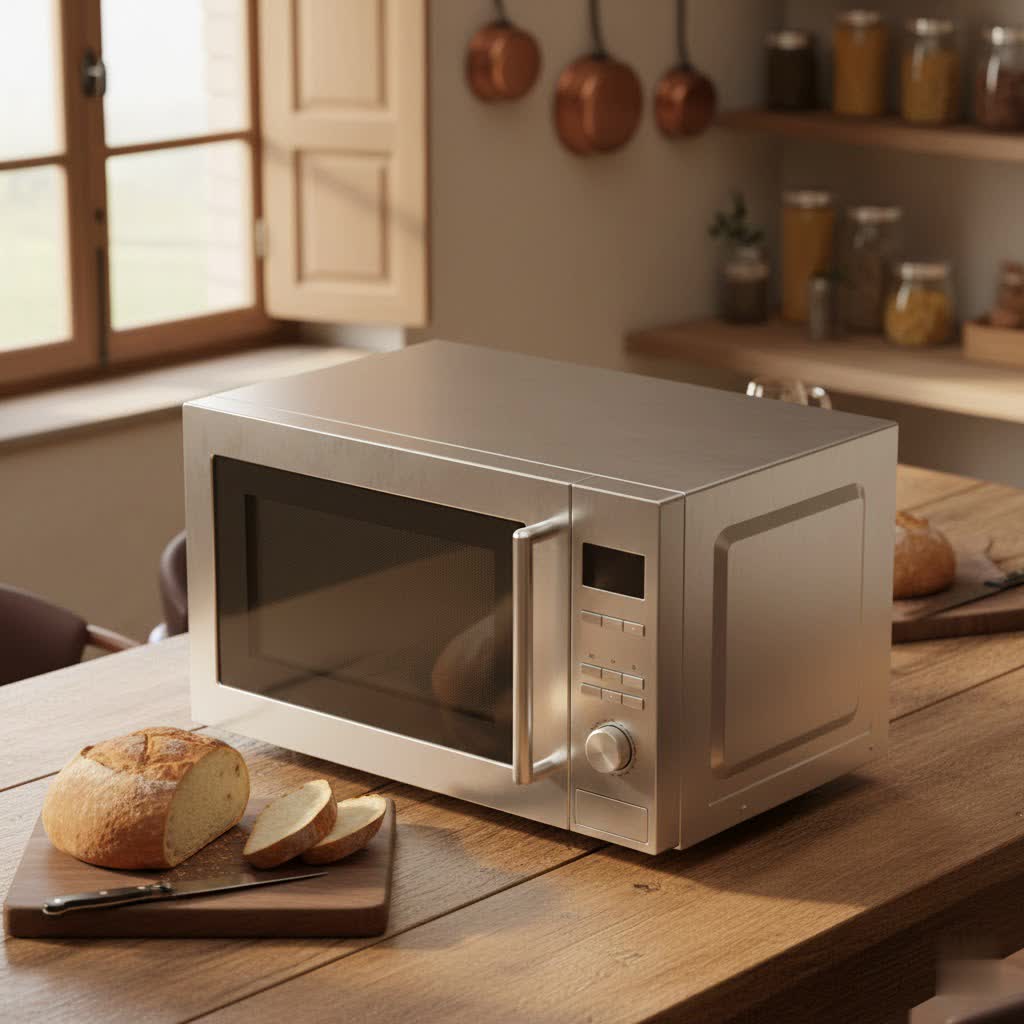
What is a Mini Microwave Oven? Basic Operating Principles
A mini microwave oven is a compact version of its larger counterpart, specifically designed for smaller environments where counter space is at a premium. These ovens typically feature reduced external dimensions and internal capacities, making them ideal for dorm rooms, studio apartments, offices, and recreational vehicles. Despite their smaller size, they operate on the same fundamental principles as standard microwaves.
Microwave ovens work by generating electromagnetic waves, specifically microwaves, from a component called a magnetron. These microwaves are directed into the cooking chamber, where they penetrate food and cause water molecules within it to vibrate rapidly. This vibration creates friction, which in turn generates heat, cooking or reheating your food from the inside out. The process is remarkably efficient, allowing for quick preparation of a wide variety of dishes, even in a compact form factor. While mini microwaves deliver the same core functionality, their design prioritizes efficiency and space-saving for tight quarters.
Types of Mini Microwave Ovens
Mini microwave ovens come in various configurations, primarily categorized by their placement and additional functionalities. Understanding these types will help you narrow down the best choice for your specific needs.
By Installation Type
- Countertop Mini Microwaves: These are the most common and versatile type, designed to simply sit on any stable, flat surface. They require no installation and are easily portable, making them perfect for temporary living situations or when flexibility is key.
- Built-in Mini Microwaves: For a more integrated and seamless kitchen design, some compact microwaves can be installed into cabinetry. This often requires an additional trim kit to give it a polished, custom look, freeing up valuable counter space.
- RV-Specific Mini Microwaves: Tailored for life on the road, these mini microwaves are built with enhanced durability and vibration-resistant technology. They are designed to withstand the bumps and movements of travel, ensuring consistent performance and long-term reliability in mobile homes.
|
Our Picks for the Best Microwave Oven in 2026
As an Amazon Associate I earn from qualifying purchases.
|
||
| Num | Product | Action |
|---|---|---|
| 1 | TOSHIBA ML-EM09PA(BS) Small Microwave Oven with 6 Auto Menus, Mute Function & Child Lock, LED Lighting, Perfect for Apartment, 0.9 Cu Ft, 10.6 Inch Removable Turntable, 900W, Black Stainless Steel |

|
| 2 | Nostalgia Retro Compact Countertop Microwave Oven, 0.7 Cu. Ft. 700-Watts with LED Digital Display, Child Lock, Easy Clean Interior, Aqua |
|
| 3 | Beautiful 1.1 Cu Ft 1000W Sensor Microwave Oven – Compact Countertop with Smart Sensor Cooking, 10 Power Levels & Easy Clean Interior – Perfect for Quick Meals, Office & Holiday Hosting |
|
| 4 | TOSHIBA EM131A5C-BS Countertop Microwave Ovens 1.2 Cu Ft, 12.4" Removable Turntable Smart Humidity Sensor 12 Auto Menus Mute Function ECO Mode Easy Clean Interior Black Color 1000W |
|
| 5 | Chefman Countertop Microwave Oven 0.7 Cu. Ft., 700 Watts with 10 Power Levels, 6 Cooking Presets with One-Touch Express Cook, Eco Mode, Child Safety Lock, & Mute Button - Black |
|
| 6 | Farberware 1.1 Cu. Ft. Countertop Microwave Oven – 1000 Watts Power, Auto Cook Settings, Defrost, Easy Clean and Child Safety Lock - Stainless |
|
| 7 | BLACK+DECKER EM720CB7 Digital Microwave Oven with Turntable Push-Button Door, Child Safety Lock, 700W, Stainless Steel, 0.7 Cu.ft |
|
| 8 | Farberware 1.1 Cu. Ft. Countertop Microwave Oven – 1000 Watts Power, Auto Cook Settings, Defrost, Easy Clean and Child Safety Lock - Stainless and Black |
|
| 9 | Farberware 1.1 Cu. Ft. Countertop Microwave Oven – 1000 Watt Power, Auto Cook Settings, Defrost, Easy Clean and Child Safety Lock - Stainless |
|
| 10 | TOSHIBA EM131A5C-SS Countertop Microwave Ovens 1.2 Cu Ft with 12.4" Removable Turntable Smart Humidity Sensor, 12 Auto Menus Mute Function ECO Mode Easy Clean Interior, 1000W, Silver |
|
By Functionality
- Basic Mini Microwaves: These models focus on essential tasks like reheating, defrosting, and simple cooking. They are often the most budget-friendly and straightforward to operate, perfect for those who just need the fundamentals.
- Multi-functional Mini Microwaves: Increasingly, compact models are offering advanced features beyond basic microwaving. Some mini microwaves include options for convection baking, grilling, or even air frying, allowing you to accomplish more with a single appliance and maximize your limited kitchen space. These versatile units can be a game-changer for small kitchens, eliminating the need for multiple bulky appliances.
By Technology
- Standard Mini Microwaves: These conventional models cycle power on and off to achieve desired cooking levels. They are reliable and widely available.
- Inverter Mini Microwaves: Featuring inverter technology, these microwaves provide a continuous, consistent power flow. This results in more even cooking and defrosting, preserving food texture and flavor better than traditional models. While often a bit pricier, the enhanced performance can be well worth the investment, especially if you prioritize food quality.
Key Considerations When Choosing a Mini Microwave Oven
Selecting the right mini microwave oven involves balancing size, power, features, and your specific lifestyle needs. Here’s a detailed guide to help you make an informed decision.
Capacity and Physical Dimensions
The term “mini” usually implies an internal capacity ranging from 0.5 to 1.1 cubic feet. These compact interiors are generally sufficient for a standard dinner plate, a mug, or a bowl of soup, but they won’t accommodate larger casserole dishes or oversized platters. Always measure your available counter space or cabinet opening carefully before purchasing, paying close attention to the microwave’s width, height, and depth. Remember to account for proper ventilation space around the unit as well.
Wattage and Cooking Power
Mini microwaves typically range from 600 to 1000 watts of cooking power. Generally, higher wattage translates to faster and more efficient cooking. While a 700-watt model might suffice for basic reheating and defrosting, an 800-900 watt or higher unit will offer quicker cooking times and potentially more even results, which can be particularly noticeable for cooking from scratch. If you plan to cook more than just small snacks, aiming for higher wattage within the compact category is advisable.
Essential and Advanced Features
Consider which features are most important for your daily use:
- Basic Features: Look for quick-start buttons (e.g., +30 seconds), various power levels, and dedicated settings for defrosting by weight or time. Popcorn and beverage presets are also common and convenient.
- Convenience Features: A child safety lock is crucial for households with young children. A mute function can be a blessing in dorms or offices to avoid disruptive beeping. An LED display, kitchen timer, and clock add to user-friendliness.
- Advanced Cooking Technologies: Some mini microwaves offer sensor cooking, which automatically adjusts cooking time based on the food’s humidity, eliminating guesswork. Inverter technology, as mentioned, provides continuous power for more even heating. For those seeking maximum utility in minimal space, consider models with combined functions like convection baking, grilling, or air frying.
Design and Aesthetics
Mini microwaves come in a variety of finishes, including stainless steel, black, white, and even retro-inspired colors. Choose a style that complements your existing décor, whether you prefer a sleek modern look or a charming vintage aesthetic. A push-button door opening is standard, but some premium models might offer a soft-close door for quieter operation.
Brand Reputation and Durability
Opting for reputable brands like Toshiba, Panasonic, GE, Breville, LG, Comfee’, or Sharp can offer peace of mind regarding reliability and customer support. If you need a microwave for an RV or other mobile environment, specifically look for models designed for durability and vibration resistance, such as those from Furrion, which are built to withstand life on the road.
Price Point
Mini microwave ovens are available across a wide price spectrum. Basic models can be quite affordable, often under $100, while multi-functional or advanced inverter models will naturally cost more, potentially ranging from $150 to $300+. Determine your budget and prioritize the features that offer the best value for your needs.
Top Mini Microwave Oven Models Popular Today
Finding the perfect mini microwave oven depends largely on your specific demands. Here are some examples of popular types you might encounter, highlighting what makes them stand out in the compact market:
- Best Value Compact: Models like the GE 0.7 Cu. Ft. Countertop Microwave often provide reliable basic performance (around 700W) at an accessible price point. They are simple to operate, ideal for quick reheats and small spaces like dorms or offices.
- Most Compact & Basic: Units like the Mainstays 0.7 Cu. Ft. Microwave Oven are designed for ultra-small spaces. They typically offer 700 watts of power and essential features such as time/weight defrost and quick-set menus.
- Powerful Performance in a Small Package: The Toshiba EM131A5C-SS (1000W) or Panasonic NN-SD372SR (0.8 Cu. Ft., 950W) often feature higher wattages and inverter technology for more even and faster cooking. These are great for those who want efficiency without a large footprint.
- Versatile Multi-functional Options: The Breville Combi Wave 3-in-1 or Toshiba ML2-TC10SAIT are examples of compact units that combine microwaving with convection, air frying, or grilling. While slightly larger within the “mini” category (around 1.0-1.1 cu. ft.), they provide incredible versatility for small kitchens, allowing you to bake, roast, or crisp foods.
- Quiet Operation: Some models, such as the Comfee’ EM720CPL-PMB, prioritize quiet operation with mute modes, making them excellent choices for shared living spaces or late-night use where noise is a concern.
When considering a specific model, always check recent reviews and availability, as product lines can evolve.
How to Use and Maintain Your Mini Microwave Oven Correctly
Even with a mini microwave oven, proper usage and maintenance are key to ensuring its longevity and safe operation.
Safe and Effective Usage Tips
- Use Microwave-Safe Cookware: Always ensure your dishes are labeled “microwave-safe.” Avoid metal containers or dishes with metallic accents, as these can cause arcing and damage the oven.
- Stir or Rotate Food: To ensure even heating, especially with lower-wattage mini microwaves, stir food halfway through the cooking cycle or pause to rotate the dish.
- Don’t Overcook: Start with shorter cooking times and add more if needed. Overcooking can lead to dry food and potential safety hazards.
- Proper Ventilation: Ensure your mini microwave has adequate space around it for ventilation. Blocked vents can lead to overheating and reduced efficiency.
- Child Lock: If your model has a child lock, engage it to prevent accidental use, especially if placed within reach of children.
Cleaning and Care
- Regular Wiping: Wipe down the interior and exterior of your microwave after each use with a damp cloth to prevent food splatters from hardening.
- Deep Cleaning: For stubborn food residue, place a microwave-safe bowl with a cup of water and a tablespoon of lemon juice or white vinegar inside the oven. Heat on high for 5-10 minutes until steam builds up, then let it sit for another 5 minutes. The steam will loosen grime, making it easy to wipe away.
- Clean the Turntable: Remove the glass turntable and wash it with warm, soapy water regularly.
- Avoid Harsh Cleaners: Do not use abrasive scrubbers or harsh chemical cleaners, as they can damage the interior coating.
Common Problems with Mini Microwave Ovens and How to Troubleshoot
While mini microwave ovens are generally reliable, you might encounter a few common issues. Knowing how to troubleshoot can save you time and expense.
-
Microwave Not Heating Food:
- Check Power: Ensure the oven is plugged in securely and that there isn’t a tripped circuit breaker.
- Door Latch: Make sure the door is fully closed and latched. Most microwaves won’t operate if the door isn’t properly shut.
- Power Level Settings: Confirm that the power level is set correctly, not accidentally on a very low setting.
- Food Quantity: If heating a very small amount of food, sometimes it might not register correctly or heat as expected.
-
Uneven Heating:
- Stirring/Rotating: As mentioned, regularly stir or rotate food, especially if your model lacks inverter technology or a sensor.
- Container Shape: Use round or oval dishes rather than square or rectangular ones, as corners can sometimes lead to uneven heating.
- Wattage: If you consistently experience uneven heating, a higher wattage model might be more suitable for your needs.
-
Turntable Not Rotating:
- Placement: Ensure the turntable is correctly seated on its support and the drive spindle.
- Obstructions: Check for food debris or foreign objects underneath the turntable or in its track.
-
Oven Making Unusual Noises:
- Arcing/Sparking: If you hear cracking or see sparks, immediately turn off the microwave. This is usually caused by metal inside the oven (foil, metallic trim on dishes, or even food containing metal particles). Remove the offending item.
- Normal Sounds: Some humming or buzzing is normal during operation, especially in higher-wattage units.
-
When to Call a Professional: If your microwave still isn’t heating, sparks continuously, or emits strange smells or smoke after troubleshooting, it’s best to unplug it and consult a qualified technician. Attempting DIY repairs on microwave ovens can be dangerous due to high-voltage components.
“Even a compact microwave can be a culinary game-changer for those with limited space. The key is understanding your daily heating needs and matching them with the right wattage and feature set.” — ReviewHubCH Admin, Microwave Oven Technician
Conclusion
Mini microwave ovens are invaluable appliances for anyone navigating the constraints of a small living or working environment. They deliver essential cooking functionality, reheating power, and defrosting capabilities in a compact, space-saving design. When choosing your ideal mini microwave, remember to consider crucial factors such as internal capacity, wattage, and must-have features like sensor cooking or a child lock. By carefully evaluating these elements, you can find a reliable and efficient appliance that perfectly complements your lifestyle, turning limited space into an advantage.
Are you ready to unlock the full potential of convenient cooking, no matter how small your kitchen?
Frequently Asked Questions
What size is considered a mini microwave oven?
Mini microwave ovens typically range in capacity from 0.5 to 1.1 cubic feet. Their external dimensions are usually less than 20 inches wide and 12 inches tall, making them suitable for fitting into tight spaces on countertops, in dorm rooms, or in RVs without consuming excessive room.
Are mini microwaves powerful enough for cooking?
Most mini microwaves offer 600 to 950 watts of power, which is generally sufficient for reheating leftovers, defrosting frozen foods, and cooking smaller items like popcorn or instant meals. While higher wattage (900W+) models will cook faster, even 700W units are effective for basic daily tasks.
Can a mini microwave oven fit a standard dinner plate?
Yes, the majority of mini microwave ovens, even those with capacities as small as 0.7 or 0.9 cubic feet, are designed to comfortably accommodate a standard-sized dinner plate. However, very large platters or oversized casserole dishes might not fit.
Do mini microwaves have advanced features like sensor cooking or inverter technology?
While basic mini microwaves might not, many modern compact models now incorporate advanced features such as sensor cooking for automatic time adjustments and inverter technology for more even heating. These features enhance cooking performance and convenience, even in a small appliance.
Is there a difference between a compact microwave and a mini microwave?
The terms “compact microwave” and “mini microwave” are often used interchangeably to describe smaller-sized microwave ovens designed for limited spaces. Both refer to units with reduced capacities and external dimensions compared to standard or large family-sized microwaves.
How do I clean a mini microwave oven effectively?
To clean a mini microwave, wipe down spills immediately. For deeper cleaning, place a microwave-safe bowl with water and lemon juice or vinegar inside, heat until steamy, then let it sit for a few minutes. The steam loosens grime, making it easy to wipe away with a damp cloth.
Are mini microwaves suitable for RVs or dorm rooms?
Absolutely. Mini microwaves are specifically designed for environments with limited space, making them ideal for RVs, dorm rooms, small apartments, and office break rooms. Many RV-specific models also feature reinforced construction to withstand travel vibrations.
