Imagine a kitchen where every appliance flows seamlessly into the design, creating a polished, sophisticated look that maximizes both style and functionality. This vision is precisely what a microwave oven with a trim kit delivers, transforming a utilitarian appliance into an integrated part of your culinary space. Whether you’re a seasoned home chef or simply seeking to enhance your kitchen’s aesthetic, understanding these essential units is the first step toward achieving a truly modern and efficient home. This comprehensive guide will navigate you through everything you need to know, from their basic principles to selection, installation, and care, ensuring you find the perfect fit for your home.
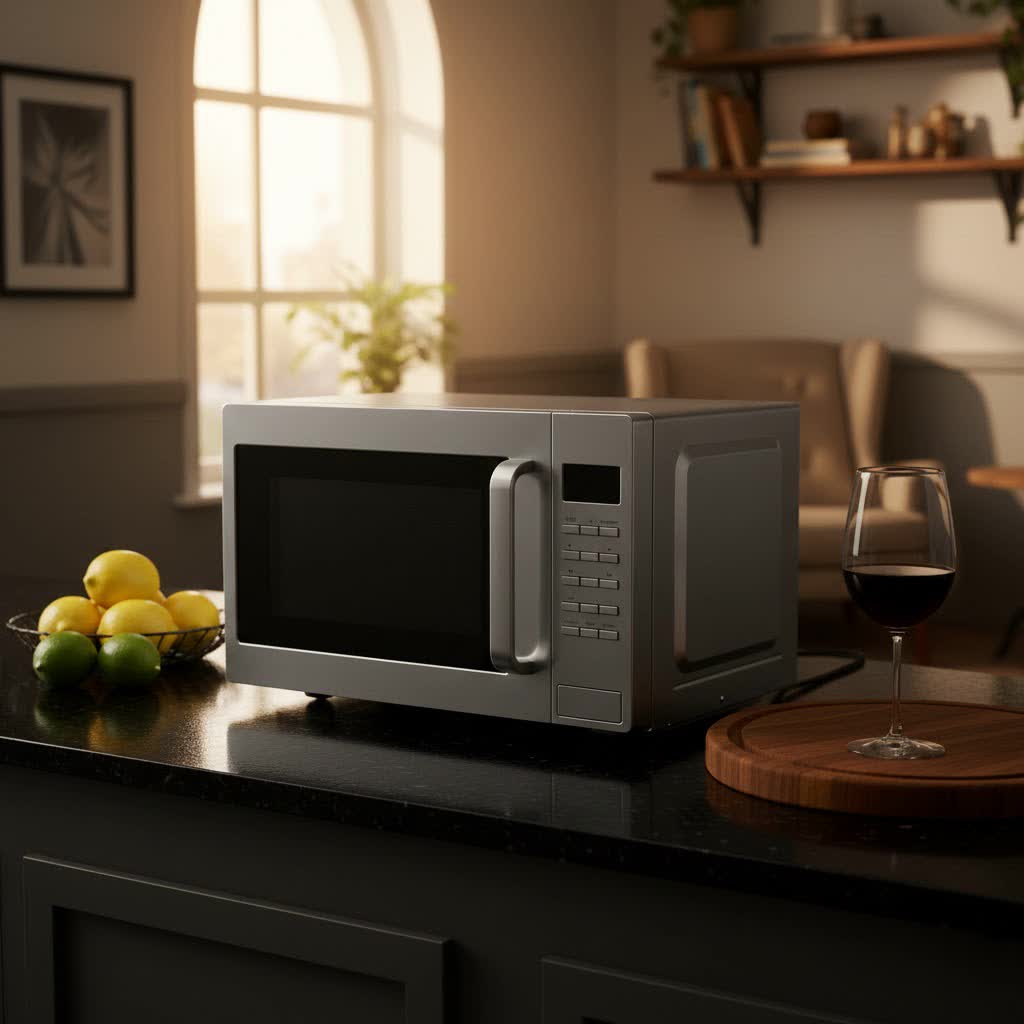
Microwave Ovens with Trim Kits: What Are They and How Do They Work?
A microwave oven with a trim kit offers a sleek solution for integrating a standard countertop microwave into your kitchen cabinetry or a wall cutout. Essentially, the trim kit is a custom-fitted frame that surrounds the microwave, bridging any gaps between the appliance and the cabinet opening to create a flush, built-in appearance. This design not only elevates the visual appeal but also plays a crucial role in ensuring proper ventilation, preventing overheating, and securing the microwave firmly in place.
The principle behind it is simple yet effective: the microwave functions as a typical freestanding unit, but the trim kit provides the necessary aesthetic and functional integration. Microwave energy, or microwaves, are a form of electromagnetic radiation that excite water molecules within food, generating heat from the inside out. When built into a cabinet, the trim kit ensures that the appliance receives adequate airflow, which is vital for its safe and efficient operation. The history of the microwave oven dates back to the 1940s, evolving from a large, expensive appliance to the compact, essential kitchen tool we know today, with trim kits offering the latest in design integration.
Popular Types of Microwave Ovens
The market offers a diverse range of microwave ovens that can be paired with trim kits, categorized primarily by their functionality and installation type. Understanding these distinctions is key to choosing an appliance that aligns with your cooking habits and kitchen design.
-
By Functionality:
- Basic Microwaves: These models are straightforward, offering essential functions like reheating, defrosting, and basic cooking. They are ideal for those who primarily use a microwave for quick tasks and value simplicity.
- Convection Microwaves: Combining microwave technology with a convection fan and heating element, these units can microwave, bake, roast, and even air fry. This versatility makes them a popular choice for smaller kitchens or for those seeking to maximize cooking options in one appliance. Many models, like the Equator Advanced Appliances CMO 800, seamlessly blend microwave and oven functionalities.
- Sensor Cooking Microwaves: Equipped with sensors that detect moisture and humidity levels in food, these microwaves automatically adjust cooking time and power for optimal results, eliminating guesswork and preventing overcooking. This feature is particularly convenient for busy households.
-
By Installation Type:
- Built-in Microwaves (with included trim kits): These appliances are specifically engineered for permanent installation within cabinetry or a wall. They often come with a matching trim kit designed for that particular model, ensuring a perfect, integrated fit from the outset.
- Countertop Microwaves (adapted with a separate trim kit): Many standard countertop microwaves can achieve a built-in look when paired with a compatible trim kit. This offers flexibility, allowing homeowners to select a microwave based on features and then integrate it into their design, often used in remodels or when repurposing existing cabinetry.
- Microwave Drawers: While not traditionally using a “trim kit” in the same way, microwave drawers offer an inherently built-in, under-counter or island installation. They provide a sleek, ergonomic solution, though some reviewers note they might not include a separate trim piece.
-
By Technology:
- Standard Microwaves: These operate with a traditional magnetron that cycles on and off, delivering full power in intervals.
- Inverter Microwaves: Featuring inverter technology, these models provide a continuous stream of consistent power at various settings. This results in more even cooking, better defrosting, and often more energy-efficient operation. Panasonic models, for instance, are known for their Cyclonic Wave Inverter Technology.
Comparing Microwave Oven Types for Built-in Integration
|
Our Picks for the Best Microwave Oven in 2026
As an Amazon Associate I earn from qualifying purchases.
|
||
| Num | Product | Action |
|---|---|---|
| 1 | Farberware 1.1 Cu. Ft. Countertop Microwave Oven – 1000 Watt Power, Auto Cook Settings, Defrost, Easy Clean and Child Safety Lock - Stainless |

|
| 2 | Chefman Countertop Microwave Oven 0.7 Cu. Ft., 700 Watts with 10 Power Levels, 6 Cooking Presets with One-Touch Express Cook, Eco Mode, Child Safety Lock, & Mute Button - Black |
|
| 3 | BLACK+DECKER EM720CB7 Digital Microwave Oven with Turntable Push-Button Door, Child Safety Lock, 700W, Stainless Steel, 0.7 Cu.ft |
|
| 4 | TOSHIBA ML-EM09PA(BS) Small Microwave Oven with 6 Auto Menus, Mute Function & Child Lock, LED Lighting, Perfect for Apartment, 0.9 Cu Ft, 10.6 Inch Removable Turntable, 900W, Black Stainless Steel |
|
| 5 | Beautiful 1.1 Cu Ft 1000W Sensor Microwave Oven – Compact Countertop with Smart Sensor Cooking, 10 Power Levels & Easy Clean Interior – Perfect for Quick Meals, Office & Holiday Hosting |
|
| 6 | Nostalgia Retro Compact Countertop Microwave Oven, 0.7 Cu. Ft. 700-Watts with LED Digital Display, Child Lock, Easy Clean Interior, Aqua |
|
| 7 | Farberware 1.1 Cu. Ft. Countertop Microwave Oven – 1000 Watts Power, Auto Cook Settings, Defrost, Easy Clean and Child Safety Lock - Stainless |
|
| 8 | Farberware 1.1 Cu. Ft. Countertop Microwave Oven – 1000 Watts Power, Auto Cook Settings, Defrost, Easy Clean and Child Safety Lock - Stainless and Black |
|
| 9 | TOSHIBA EM131A5C-BS Countertop Microwave Ovens 1.2 Cu Ft, 12.4" Removable Turntable Smart Humidity Sensor 12 Auto Menus Mute Function ECO Mode Easy Clean Interior Black Color 1000W |
|
| 10 | TOSHIBA EM131A5C-SS Countertop Microwave Ovens 1.2 Cu Ft with 12.4" Removable Turntable Smart Humidity Sensor, 12 Auto Menus Mute Function ECO Mode Easy Clean Interior, 1000W, Silver |
|
| Feature | Basic Microwave (with Trim Kit) | Convection Microwave (with Trim Kit) | Microwave Drawer |
|---|---|---|---|
| Primary Use | Reheating, defrosting | Versatile cooking, baking, roasting | Reheating, easy access |
| Space Saving | Excellent (built-in) | Excellent (built-in, multi-function) | Excellent (under-counter) |
| Aesthetic | Seamless, integrated | Seamless, integrated | Sleek, minimalist |
| Cost | Mid-range | Higher range | Higher range |
| Installation | Cabinet/wall cutout, trim kit | Cabinet/wall cutout, trim kit | Cabinet drawer, under-counter |
| Ventilation | Crucial, facilitated by trim kit | Crucial, facilitated by trim kit | Integrated design |
| Ideal for | Everyday use, simple needs | Culinary enthusiasts, small kitchens | Accessible design, open counter space |
How to Choose the Perfect Microwave Oven with a Trim Kit
Selecting the ideal microwave oven with a trim kit requires careful consideration of your needs, kitchen space, and desired features. This decision impacts not only your cooking efficiency but also the overall aesthetic of your kitchen.
1. Determine Your Usage Needs
Begin by assessing how your family uses a microwave.
- Family Size: For 1-2 people, a small capacity (under 1.0 cu ft) might suffice. Medium capacities (1.1-1.5 cu ft) are suitable for 3-4 people, while larger families might benefit from a unit over 1.5 cu ft.
- Usage Frequency: If you frequently cook full meals or entertain, a convection microwave with higher wattage might be more appropriate. For occasional reheating, a basic model is sufficient.
- Main Purpose: Do you primarily hams, defrost, or do you require advanced cooking, baking, or even air frying capabilities? Matching the microwave’s functions to your primary purpose ensures you don’t overspend on unused features.
2. Select the Right Capacity
Microwave capacity is measured in cubic feet (cu ft) and directly relates to the interior space available for dishes.
- Small (under 1.0 cu ft): Ideal for single servings, small plates, or mugs.
- Medium (1.1-1.5 cu ft): A versatile choice for most families, accommodating standard dinner plates and casserole dishes.
- Large (over 1.5 cu ft): Perfect for larger families, bulk cooking, or oversized dishes. Some models offer up to 2.2 cu ft, suitable for very large items.
3. Consider Power (Wattage)
Microwave power is measured in watts (W) and indicates how quickly and efficiently the oven can cook.
- Low Power (under 800W): Best for reheating and defrosting delicate items.
- Standard Power (800W-1000W): Common for everyday cooking tasks and provides a good balance of speed and control. Many built-in models fall into this range, such as KitchenAid and Whirlpool 1000-watt units.
- High Power (over 1000W): Excellent for faster cooking of larger quantities and more robust dishes. Convection microwaves often feature higher wattage to support their varied cooking functions.
4. Evaluate Convenience Features
Modern microwave ovens offer a plethora of features designed to simplify your cooking experience.
- Sensor Cooking: Automatically adjusts cooking time and power based on food’s moisture.
- Pre-set Programs: Dedicated buttons for popcorn, pizza, beverages, or defrosting specific foods.
- Child Safety Lock: Prevents accidental use, especially important in families with young children.
- Timer and Delay Start: Allows you to set cooking times in advance.
- Keep Warm Function: Maintains food temperature until ready to serve.
- Convection or Air Fry: Expands cooking capabilities beyond traditional microwaving.
- Ventilation: Ensure the trim kit and microwave design facilitate proper airflow to prevent overheating.
5. Choose a Reputable Brand
Opting for well-known brands often ensures better quality, reliability, and customer support. Leading manufacturers in the microwave oven market include:
- Sharp
- Panasonic
- Electrolux
- Samsung
- LG
- Whirlpool
- KitchenAid
- GE
- Frigidaire
- ZLINE
- Thor Kitchen
“A microwave with a trim kit is more than just an appliance; it’s a design statement. Always measure twice, and remember that brand reputation often reflects consistent performance and customer satisfaction.” – Lyle Weischwill, Appliance Integration Specialist at Sears Home Services
6. Verify Compatibility and Measure Carefully
This is perhaps the most critical step for a built-in look. Trim kits are typically model-specific, meaning a kit from one brand or for one microwave model may not fit another.
- Microwave Dimensions: Note the exact height, width, and depth of your microwave.
- Cabinet Opening: Accurately measure the dimensions of the cabinet cutout where the microwave will be installed. Ensure there is enough space for the microwave itself, the trim kit, and adequate ventilation clearances as specified by the manufacturer.
- Style Compatibility: Choose a trim kit finish (e.g., stainless steel, black, white) that complements your existing appliances and kitchen decor.
7. Read User Reviews and Ratings
Before making a final decision, check online reviews and ratings for specific models. Real-world feedback can offer insights into performance, durability, ease of use, and installation challenges.
Top Microwave Oven Models with Trim Kit Integration
While specific models constantly evolve, some popular and highly-rated options exemplify the best features for built-in integration:
- Panasonic NN-SD772S / NN-SD775S (with compatible trim kit): Known for its 2.2 cu ft capacity and Cyclonic Wave Inverter Technology, providing even heating for large dishes.
- Frigidaire Gallery GMBS3068AF: Offers a generous 2.2 cu ft capacity and automatic sensor cooking technology, providing excellent value for a built-in unit.
- Whirlpool WMT50011KS / KitchenAid KMBT5011KSS: These 1.1 cu ft, 1000-watt models are popular choices for their sleek design and sensor cooking controls, frequently appearing in top seller lists for built-in options.
- Equator Advanced Appliances CMO 800: A compact 0.8 cu ft microwave that also functions as an oven, often including a trim kit for flexible countertop or built-in installation.
- Sharp Microwave Drawers: While not using a traditional trim kit, these integrated drawer units (e.g., Sharp KB-6524PS) are lauded for their space-saving design and ergonomic access, blending seamlessly into lower cabinetry or kitchen islands.
These models showcase a range of capacities and functionalities, all designed to integrate beautifully into your kitchen with the right trim kit.
Using and Maintaining Your Microwave Oven with a Trim Kit
Proper use and regular maintenance are essential to ensure the longevity and optimal performance of your microwave oven and its trim kit.
Usage Guidelines
- Follow Manufacturer’s Instructions: Always refer to your specific model’s manual for detailed operating instructions and safety precautions.
- Use Microwave-Safe Cookware: Avoid metal containers or dishes with metallic accents, as these can cause arcing and damage the microwave.
- Don’t Overload: Avoid overcrowding the microwave, which can lead to uneven cooking.
- Ensure Proper Ventilation: Never block the ventilation openings on the trim kit or microwave, as this can lead to overheating and potential hazards.
Cleaning and Maintenance
Regular cleaning is vital to keep your microwave and trim kit looking good and functioning effectively.
- Interior Cleaning: Wipe down the microwave interior with a damp cloth and mild detergent after each use to prevent food splatter from hardening and causing odors.
- Exterior and Trim Kit: Clean the exterior surfaces and the trim kit with appropriate cleaners that won’t damage the finish. Stainless steel cleaners are excellent for stainless steel trim kits. Ensure vents and grilles are free from dust and debris to maintain proper airflow.
- Door Seals: Periodically inspect and clean the door seals to ensure they are free from food particles and grime, which can affect the microwave’s effectiveness and safety.
- Check for Wear and Tear: Regularly inspect the trim kit for any signs of damage like cracks, warping, or loosened fittings. Address these promptly to maintain structural integrity and a secure installation.
- Compatibility Updates: If you replace your microwave, verify if your existing trim kit is still compatible. New models or changes in dimensions may require a new trim kit to ensure proper fit and ventilation.
Common Issues with Microwave Ovens and Trim Kits and How to Fix Them
Even with proper care, appliances can encounter problems. Here are some common issues and their potential solutions:
- Microwave Not Heating: This could be due to a faulty door switch, magnetron, or diode. For minor issues, ensure the door is fully closed. For internal component failures, professional repair is often necessary.
- Uneven Heating: If food heats unevenly, ensure you’re not overcrowding the microwave and that the turntable (if present) is functioning correctly. Inverter technology can help mitigate this issue by providing consistent power.
- Loud Noises During Operation: Unusual noises might indicate a faulty turntable motor, a loose component, or an issue with the magnetron. While some minor rattling might be normal, persistent loud noises warrant professional inspection. Some users have reported durability issues and unusual noises with certain models, which sometimes required replacement parts.
- Trim Kit Installation Gaps: If there are noticeable gaps between the trim kit and cabinetry, it often indicates inaccurate measurements during installation or a mismatch between the microwave and trim kit. Carefully re-measure and ensure all mounting hardware is securely fastened.
- Ventilation Issues: If the microwave is overheating or shutting down, check that the trim kit’s vents are not obstructed by dust or cabinet modifications. Proper clearances around the microwave and trim kit are crucial for safe operation.
For complex issues, especially those involving electrical components or significant installation problems, it is always recommended to seek professional assistance to avoid further damage or safety hazards.
Conclusion
Incorporating a microwave oven with a trim kit into your kitchen is a brilliant way to achieve a cohesive, modern aesthetic while maximizing functional space. From understanding the core benefits like enhanced design and improved accessibility to navigating the nuances of capacity, power, and essential features, making an informed choice is key. Remember to meticulously measure your space, verify compatibility, and consider reputable brands known for quality. By following proper installation and maintenance guidelines, your integrated microwave will serve as both a powerful culinary tool and a stylish statement piece for years to come. What kind of integrated culinary experiences are you hoping to create in your beautifully designed kitchen?
Frequently Asked Questions
Is a trim kit essential for all built-in microwaves?
A trim kit is not strictly necessary for microwaves specifically engineered as “built-in” models, as these are designed to fit cabinetry on their own. However, if you are integrating a countertop microwave into a cabinet or wall, a trim kit is highly recommended to achieve a clean, finished look and ensure proper ventilation for safe operation.
Can I install a microwave trim kit myself?
While a DIY installation is possible with the right tools and careful adherence to instructions, professional installation is often recommended, especially if you are unfamiliar with cabinetry modifications or appliance wiring. Seeking expert help ensures a secure fit, proper alignment, and optimal ventilation.
How do I ensure my trim kit is compatible with my microwave?
Compatibility is crucial. Always check the manufacturer’s guidelines for both your microwave model and the trim kit. Trim kits are typically model-specific, so ensure the dimensions and specifications match perfectly to guarantee a seamless fit and proper function.
What are the main benefits of a built-in microwave with a trim kit?
The primary benefits include a sophisticated, custom-integrated appearance that blends seamlessly with your cabinetry, freeing up valuable countertop space, and improving kitchen accessibility by placing the microwave at an ideal height. It also ensures proper ventilation for the appliance.
Do built-in microwaves with trim kits cost more than countertop models?
Generally, yes. Built-in microwaves, especially those with advanced features or included trim kits, tend to have a higher initial cost due to their design for integration and often more robust features. However, they add significant aesthetic and functional value to a kitchen.
How long do microwave ovens with trim kits typically last?
The lifespan of a microwave oven, whether built-in or countertop, is typically around 7-10 years, depending on usage, brand quality, and maintenance. Regular cleaning and ensuring proper ventilation can help extend the life of your appliance.
