In the bustling heart of any home, the kitchen, every inch of counter space is a prized commodity. Cluttered countertops can quickly turn meal preparation into a frustrating chore rather than an enjoyable experience. Enter the Microwave Oven Shelf – a simple yet ingenious solution designed to reclaim your kitchen, enhance organization, and streamline your cooking routine. This versatile accessory not only provides a dedicated home for your microwave but often offers invaluable additional storage, transforming chaos into calm. Whether you’re battling a tiny kitchen or simply seeking better organization, understanding the types, features, and selection process for microwave oven shelves is key to optimizing your culinary workspace.
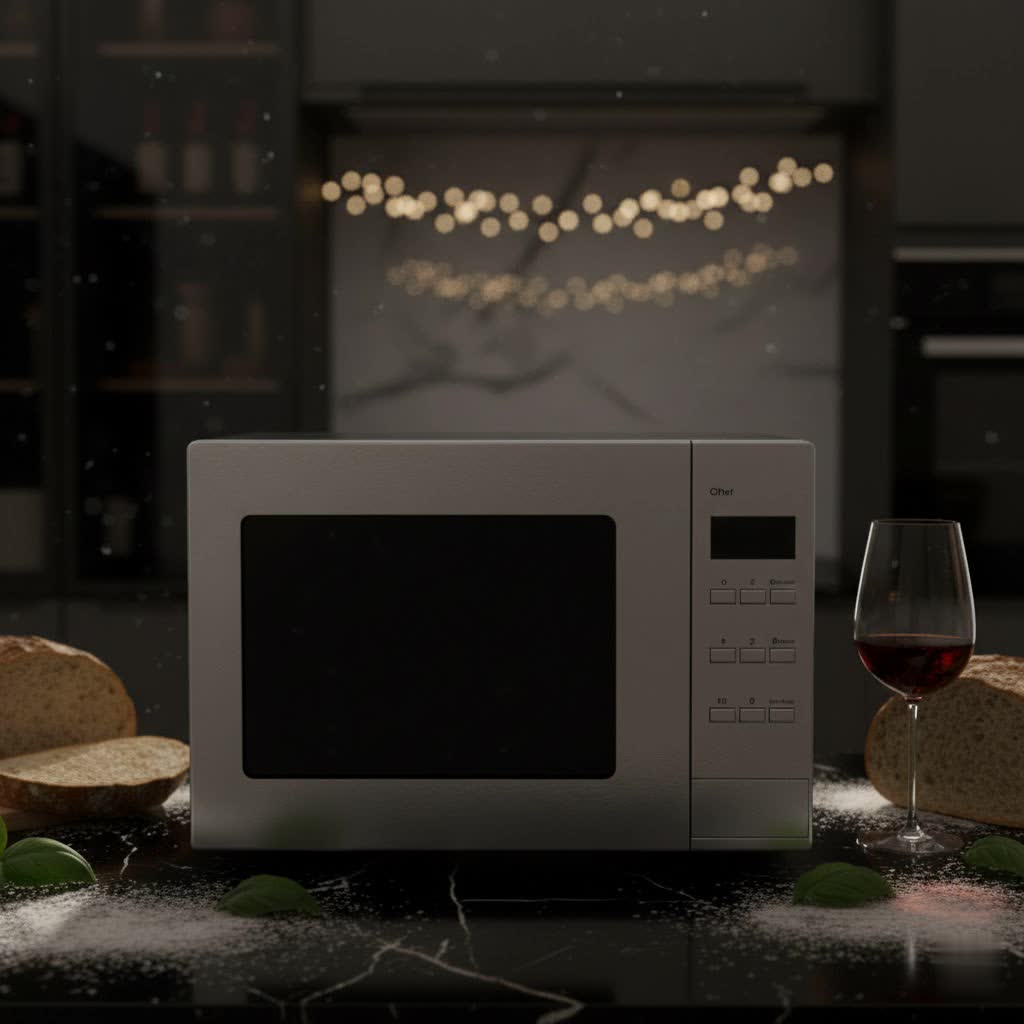
Microwave Oven Shelves: An Essential Kitchen Organizer
A microwave oven shelf is far more than just a place to rest your appliance; it’s a strategic storage solution crafted to maximize kitchen efficiency. Essentially, it’s a dedicated structure, either freestanding, wall-mounted, or designed to sit over a countertop, that houses your microwave while often incorporating extra space for other kitchen essentials. The primary purpose of these shelves is to combat clutter, free up valuable counter space, and ensure your microwave is always accessible yet neatly tucked away. From basic stands that simply elevate your appliance to multi-tiered units complete with hooks and drawers, the evolution of microwave oven shelves reflects a growing need for smart, adaptive kitchen organization in modern homes.
Exploring the Diverse World of Microwave Oven Shelf Types
The market offers a variety of microwave oven shelves, each designed to meet different spatial needs, aesthetic preferences, and functional demands. Understanding these distinctions is crucial for selecting the perfect fit for your kitchen.
By Design and Installation:
- Countertop Microwave Racks: These are among the most common, designed to sit directly on your kitchen counter. They often feature an expandable design, allowing you to adjust their width to fit various microwave sizes. Typically multi-tiered, they provide space for the microwave on one level and additional shelving above for spices, plates, or small appliances, effectively utilizing vertical space.
- Freestanding Microwave Carts/Racks: Offering ultimate flexibility, these units are standalone pieces of furniture. Many come equipped with lockable casters, making them mobile and easy to reposition in your kitchen. Freestanding racks are often multi-tier, providing ample storage with shelves, drawers, and sometimes even integrated power outlets, making them multi-functional as baker’s racks or coffee stations.
- Wall-Mounted Microwave Shelves: For kitchens where floor and counter space are at a premium, wall-mounted shelves are an excellent solution. These fixed installations securely attach to a wall, elevating the microwave and completely freeing up the area below. They provide a clean, custom look and are particularly favored in commercial kitchens or minimalist home designs. Proper installation and weight capacity are paramount for safety.
- Internal Microwave Racks: These smaller, often collapsible racks are designed to be placed inside the microwave oven itself. Their purpose is to create two levels within the microwave cavity, allowing you to heat or cook multiple small dishes simultaneously, thereby maximizing the oven’s internal capacity.
By Material:
The material of your microwave oven shelf impacts its durability, weight capacity, and aesthetic integration into your kitchen decor.
- Stainless Steel: A popular choice for its sleek, modern appearance, stainless steel is highly durable, rust-resistant, and easy to clean. It’s a robust option, often found in commercial-grade shelves capable of supporting significant weight, making it ideal for heavy-duty use.
- Carbon Steel: Known for its strength and heavy-duty load-bearing capabilities, carbon steel shelves are robust and often coated with ecological paints for heat resistance and anti-rust properties. They typically feature a matte finish, providing a contemporary industrial look.
- Wood/Bamboo/MDF: These materials offer a warmer, more traditional, or rustic aesthetic. Bamboo is often praised for its eco-friendliness and natural appeal, while MDF (medium-density fiberboard) provides a versatile, cost-effective option, often laminated or painted. While generally sturdy, their weight capacity might be lower than metal alternatives.
- Plastic: Primarily used for internal microwave racks or very light-duty, temporary shelving, plastic offers a lightweight and often affordable solution. However, it is less durable and has lower heat and weight resistance compared to metal or wood.
Microwave Oven Shelf Comparison: Finding Your Ideal Match
Choosing the right microwave oven shelf involves weighing the pros and cons of each type against your specific kitchen layout and lifestyle.
| Shelf Type | Pros | Cons | Best Use Case |
|---|---|---|---|
| Countertop Racks | Space-saving on counter, easy to install, often adjustable width. | Limited to counter space, can still look cluttered if overfilled. | Small kitchens, renters, flexible storage needs. |
| Freestanding Carts/Racks | Highly mobile (with casters), ample multi-tier storage, versatile. | Requires floor space, can be bulky in very small kitchens. | Larger kitchens, additional appliance storage, dynamic kitchen layouts. |
| Wall-Mounted Shelves | Maximizes floor/counter space, clean aesthetic, permanent solution. | Requires drilling/installation, less flexible, permanent fixture. | Very small kitchens, minimalist designs, commercial settings. |
| Internal Racks | Increases internal microwave capacity, very affordable. | Limited to small items, doesn’t address external kitchen organization. | Maximizing microwave cooking efficiency. |
Your Comprehensive Guide to Selecting the Right Microwave Oven Shelf
Selecting the perfect microwave oven shelf is a thoughtful process that should consider your personal needs, kitchen specifics, and desired functionality.
Assess Your Kitchen Space and Microwave Dimensions: Before anything else, grab your measuring tape. Accurately measure your microwave’s length, width, and height. Then, assess the available space in your kitchen – whether it’s a section of countertop, an empty wall, or an unused corner of the floor. This will dictate whether a countertop, wall-mounted, or freestanding unit is feasible. Remember to account for proper ventilation around your microwave.
Consider Weight Capacity and Stability: Microwaves can be surprisingly heavy, so the shelf’s weight capacity is a critical factor. Consumer-grade shelves typically hold 55-60 pounds (around 25-27 kg), which is sufficient for most standard microwaves. However, some commercial-grade stainless steel options can support well over 100 pounds (45 kg) or more. Look for features like sturdy carbon steel frames, reinforced legs, cross-bars, and non-slip feet or suction cups to ensure maximum stability and safety. Overloading a shelf can lead to sagging, damage, or even accidents.
Choose the Ideal Material for Durability and Style: The material choice significantly impacts both the shelf’s longevity and its ability to blend with your kitchen’s aesthetic. Stainless steel or carbon steel offers superior durability, heat resistance, and a modern, industrial look, making them excellent for high-traffic or busy cooking areas. Wood or bamboo options provide warmth and can complement traditional or contemporary decors but might require more careful maintenance and have lower weight limits.
Prioritize Essential Features and Customization: Modern microwave oven shelves come with an array of features designed to enhance utility.
- Adjustability: Expandable width or adjustable height features are invaluable, allowing the shelf to accommodate different microwave sizes and kitchen layouts.
- Extra Storage: Look for additional shelves for spices, cookbooks, or small appliances. Some units even include integrated hooks for hanging utensils, towel bars, or dedicated racks for cutting boards and knives.
- Mobility: If you anticipate needing to move your microwave frequently, a freestanding cart with lockable casters is an ideal choice.
- Power Outlets: Some advanced baker’s racks or utility carts include built-in power outlets, offering convenient access for your microwave and other small appliances, reducing cable clutter.
Evaluate Brand Reputation and User Reviews: While specific brand names may vary, generally look for manufacturers known for quality craftsmanship and robust designs. User reviews can offer valuable insights into a product’s real-world performance, ease of assembly, and overall durability. Pay attention to comments regarding stability, actual weight capacity, and how well the shelf holds up over time.
Top Trends in Microwave Oven Shelf Designs
The world of kitchen organization is constantly evolving, and microwave oven shelves are no exception. Current trends lean towards designs that are both highly functional and aesthetically pleasing. Expandable countertop racks remain incredibly popular due to their versatility and ability to fit a wide range of microwave sizes and kitchen setups. These often feature two tiers, with the microwave on the lower level and an upper shelf for additional items, making them perfect for maximizing limited counter space.
Another significant trend is the rise of industrial baker’s racks that incorporate microwave storage. These multi-functional units, often made from sturdy metal and wood, provide extensive storage for not just microwaves, but also toasters, coffee makers, cookbooks, and pantry items. Many even include features like power outlets and utensil hooks, creating a complete mini-station within the kitchen. For those with extremely tight spaces or a desire for a minimalist look, sleek wall-mounted units are gaining traction, lifting the microwave off the counter entirely and offering a clean, unobstructed workspace.
Installation, Usage, and Maintenance Tips for Your Microwave Oven Shelf
To ensure your microwave oven shelf serves you well for years to come, proper installation, thoughtful usage, and regular maintenance are key.
Installation Best Practices:
- Follow Instructions: Always adhere strictly to the manufacturer’s installation guide. This is especially crucial for wall-mounted shelves, where correct mounting to wall studs is essential for safety.
- Ensure Stability: For freestanding and countertop racks, place them on a level, stable surface. Tighten all screws and fasteners securely during assembly to prevent wobbling. Adjustable feet can help compensate for uneven floors.
- Ventilation: Ensure there is adequate clearance around your microwave for proper ventilation as recommended by the microwave manufacturer. This prevents overheating and prolongs the appliance’s lifespan.
Maximizing Functionality:
- Organize Smartly: Utilize additional shelves for frequently used items like spices, oils, or cooking utensils. Hooks can keep oven mitts and small tools within easy reach.
- Weight Distribution: Always place your microwave centrally on the designated shelf. Distribute other items evenly across the remaining shelves to maintain balance and prevent strain on the structure.
Cleaning and Care:
- Regular Wiping: Most metal and wood shelves can be easily cleaned with a damp cloth and mild detergent. Wipe down regularly to prevent grease buildup and dust accumulation.
- Material-Specific Care: For stainless steel, use a specialized cleaner to maintain its shine and prevent streaks. Wooden shelves might benefit from occasional polishing or conditioning to prevent drying and cracking.
- Periodic Checks: Every few months, inspect your shelf for any loose screws or fasteners. Tighten them as needed to ensure the unit remains stable and secure.
Troubleshooting Common Microwave Oven Shelf Issues
Even the most robust microwave oven shelves can encounter minor issues over time. Knowing how to address these can save you hassle and extend the life of your organizer.
- Instability or Wobbling: This is often the most common complaint. First, check if the shelf is on an uneven surface. Many freestanding units come with adjustable leveling feet that can be twisted to stabilize the rack. Next, inspect all connection points and ensure every screw and bolt is tightened securely. A loose connection is a frequent cause of instability.
- Sagging Shelves: If a shelf appears to sag, it’s usually a sign of overloading. Re-evaluate the total weight placed on the shelf and compare it to the manufacturer’s stated weight capacity. If you’ve exceeded the limit, remove some items. Persistent sagging might indicate material fatigue or a manufacturing defect, in which case replacement or professional reinforcement may be necessary.
- Damage or Rust: Minor scratches on metal shelves can often be touched up with appropriate paint or rust-inhibiting primers. For rust spots on stainless steel, specialized stainless steel cleaners can help. If plastic components crack or break, check if replacement parts are available from the manufacturer. Severe damage, especially to structural components, warrants replacing the entire unit to ensure safety.
Conclusion
A well-chosen microwave oven shelf is a game-changer for any kitchen, transforming cluttered spaces into organized, efficient culinary hubs. By thoughtfully considering the various types—from versatile countertop racks to sturdy wall-mounted units—and prioritizing factors like dimensions, weight capacity, and material, you can find the perfect solution to reclaim your counter space and streamline your daily routine. Investing in a durable and functional microwave oven shelf not only enhances your kitchen’s aesthetic but significantly improves its practical utility, making cooking and meal prep a more enjoyable experience.
Are you ready to optimize your kitchen? Which type of microwave oven shelf will best transform your space?
Frequently Asked Questions
What is the ideal height for a microwave oven shelf?
|
Our Picks for the Best Microwave Oven in 2026
As an Amazon Associate I earn from qualifying purchases.
|
||
| Num | Product | Action |
|---|---|---|
| 1 | Farberware 1.1 Cu. Ft. Countertop Microwave Oven – 1000 Watt Power, Auto Cook Settings, Defrost, Easy Clean and Child Safety Lock - Stainless |

|
| 2 | TOSHIBA EM131A5C-SS Countertop Microwave Ovens 1.2 Cu Ft with 12.4" Removable Turntable Smart Humidity Sensor, 12 Auto Menus Mute Function ECO Mode Easy Clean Interior, 1000W, Silver |
|
| 3 | Nostalgia Retro Compact Countertop Microwave Oven, 0.7 Cu. Ft. 700-Watts with LED Digital Display, Child Lock, Easy Clean Interior, Aqua |
|
| 4 | Farberware 1.1 Cu. Ft. Countertop Microwave Oven – 1000 Watts Power, Auto Cook Settings, Defrost, Easy Clean and Child Safety Lock - Stainless and Black |
|
| 5 | Chefman Countertop Microwave Oven 0.7 Cu. Ft., 700 Watts with 10 Power Levels, 6 Cooking Presets with One-Touch Express Cook, Eco Mode, Child Safety Lock, & Mute Button - Black |
|
| 6 | Farberware 1.1 Cu. Ft. Countertop Microwave Oven – 1000 Watts Power, Auto Cook Settings, Defrost, Easy Clean and Child Safety Lock - Stainless |
|
| 7 | TOSHIBA ML-EM09PA(BS) Small Microwave Oven with 6 Auto Menus, Mute Function & Child Lock, LED Lighting, Perfect for Apartment, 0.9 Cu Ft, 10.6 Inch Removable Turntable, 900W, Black Stainless Steel |
|
| 8 | BLACK+DECKER EM720CB7 Digital Microwave Oven with Turntable Push-Button Door, Child Safety Lock, 700W, Stainless Steel, 0.7 Cu.ft |
|
| 9 | TOSHIBA EM131A5C-BS Countertop Microwave Ovens 1.2 Cu Ft, 12.4" Removable Turntable Smart Humidity Sensor 12 Auto Menus Mute Function ECO Mode Easy Clean Interior Black Color 1000W |
|
| 10 | Beautiful 1.1 Cu Ft 1000W Sensor Microwave Oven – Compact Countertop with Smart Sensor Cooking, 10 Power Levels & Easy Clean Interior – Perfect for Quick Meals, Office & Holiday Hosting |
|
The ideal height for a microwave oven shelf depends on who will be using it. For comfort and safety, the bottom of the microwave should typically be positioned at a height that allows easy access without excessive reaching or bending, often aligning with counter height or slightly above, usually around 1.5 inches from the countertop.
Can I use a regular shelf for my microwave oven?
It is generally not recommended to use a regular shelf for a microwave oven unless it is specifically designed and rated to support the appliance’s weight and dimensions. Microwaves are heavy, and an inadequate shelf could sag, collapse, or pose a safety risk. Always choose shelves with a clearly stated weight capacity that exceeds your microwave’s weight.
How much weight can a microwave oven shelf typically hold?
The weight capacity of microwave oven shelves varies significantly by design and material. Most consumer-grade countertop or freestanding racks can hold between 55 to 60 pounds (approximately 25-27 kg). Heavy-duty or commercial-grade stainless steel wall shelves and carts can support 100 to over 150 pounds (45-68 kg) or more, making them suitable for larger, heavier models.
Are microwave oven shelves difficult to install?
The difficulty of installing a microwave oven shelf depends on its type. Countertop and most freestanding racks are typically easy to assemble, often requiring minimal tools and following straightforward instructions. Wall-mounted shelves, however, are more complex as they require drilling into walls and secure mounting to studs, which may necessitate professional installation for safety.
What materials are best for a microwave oven shelf?
For optimal durability and support, stainless steel and carbon steel are generally considered the best materials for microwave oven shelves, especially for heavier appliances or commercial use. They are robust, heat-resistant, and easy to clean. Wood or bamboo options offer aesthetic appeal but might be better suited for lighter microwaves and require more careful maintenance.
