Are you tired of cluttered countertops and appliances that only do one thing? Imagine a single kitchen appliance that can reheat leftovers in seconds, bake a perfect batch of cookies, roast a succulent chicken, and even crisp up your favorite fries. This is the promise of the convection microwave oven, a versatile kitchen powerhouse designed to streamline your cooking experience. Combining the speed of a microwave with the browning capabilities of a conventional oven, these innovative units are revolutionizing how we prepare meals, offering efficiency and culinary flexibility in one compact package.
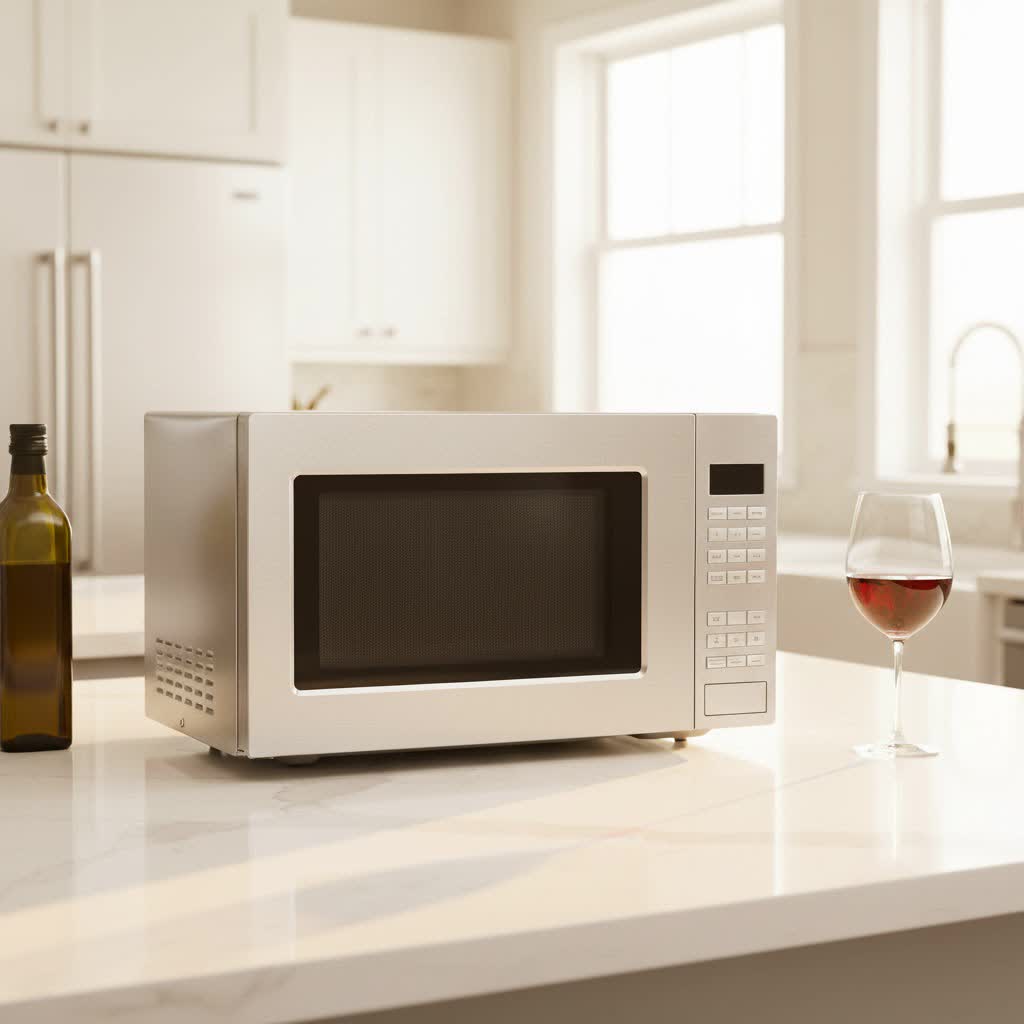
What is a Convection Microwave Oven? Understanding Its Basic Principles
A convection microwave oven is a hybrid appliance that merges the rapid heating power of a traditional microwave with the circulating hot air technology of a convection oven. Essentially, it’s two powerful cooking tools integrated into one space-saving unit. This dual functionality means you can enjoy the quick defrosting and reheating benefits of a standard microwave, while also being able to bake, roast, grill, and crisp foods with oven-like results.
The core principle behind a convection microwave oven involves two distinct heating methods. In microwave mode, a magnetron generates electromagnetic waves that penetrate food, exciting water molecules and causing them to vibrate, thus heating the food quickly from the inside out. In convection mode, an additional heating element and a fan work in tandem to circulate hot air uniformly throughout the oven cavity. This circulating hot air surrounds the food, ensuring even cooking, browning, and crisping, much like a conventional oven. Many models also offer a combination mode, allowing both microwave and convection functions to operate simultaneously for faster cooking and enhanced browning.
The history of the microwave oven dates back to the mid-20th century, with the first commercial models appearing in the late 1940s. Over time, as consumer demands for versatile and efficient kitchen solutions grew, manufacturers began to integrate convection technology, giving birth to the combination microwave oven that offers unparalleled cooking flexibility today.
Popular Types of Convection Microwave Ovens on the Market
Convection microwave ovens come in various forms, each designed to meet specific needs and kitchen layouts. Understanding these classifications can help you pinpoint the perfect model for your home.
-
By Functionality:
- Basic Microwave with Convection: These models typically offer standard microwave functions (reheating, defrosting) along with a convection mode for baking and roasting. They are a good entry point for those new to convection cooking.
- Convection Microwave with Grill: Many convection microwaves also include a grilling element, allowing you to achieve crispy tops and grilled textures on dishes like cheese toast or gratins, further enhancing their versatility.
- Convection Microwave with Steam: Some advanced models incorporate steam cooking, using steam to cook food gently, preserving nutrients and moisture. These are less common but offer superior results for certain dishes.
- Convection Microwave with Air Fry: A growing trend sees convection microwaves featuring dedicated air fry functions, utilizing powerful hot air circulation to deliver crispy, fried-like results with less oil.
-
By Installation Type:
- Countertop Convection Microwaves: These are freestanding units that sit on your kitchen counter. They offer the most flexibility in placement but occupy valuable counter space.
- Built-in Convection Microwaves: Designed to be integrated into kitchen cabinetry or above a wall oven, these models provide a sleek, seamless look, freeing up counter space. They often come with trim kits for a custom fit.
- Over-the-Range (OTR) Convection Microwaves: These units are installed above your cooktop or range, combining microwave and convection functions with an exhaust fan and lighting, serving as both a cooking appliance and a ventilation system.
-
By Technology:
- Standard Convection Microwaves: These operate with a traditional magnetron and a separate heating element/fan for convection.
- Inverter Convection Microwaves: Inverter technology provides a continuous stream of power, unlike traditional microwaves that cycle power on and off. This results in more even cooking, better texture, and more consistent defrosting, especially beneficial when using convection functions. Inverter models are also generally more energy-efficient.
Comparing Convection Microwave Ovens
To further illustrate the benefits and considerations, here’s a comparison table highlighting key aspects of various convection microwave types:
| Feature | Basic Convection Microwave | Convection Microwave with Grill | Inverter Convection Microwave | Over-the-Range Convection Microwave |
|---|---|---|---|---|
| Functions | Microwave, Bake, Roast | Microwave, Bake, Roast, Grill | More precise Microwave, Bake, Roast | Microwave, Bake, Roast, Ventilation, Lighting |
| Price Range | Mid-range | Mid to High-range | High-range | Mid to High-range |
| Pros | Multifunctional, Space-saving | Adds browning/crisping ability | Even cooking, energy-efficient | Space-saving (counter), Ventilation |
| Cons | May lack specific browning | Slightly higher cost | Higher initial investment | Professional installation often needed, Noise from fan |
| Ideal For | Small kitchens, occasional baking | Enhanced versatility, crispy food | Gourmet results, energy saving | Kitchens with limited counter space, integrated look |
How to Choose the Right Convection Microwave Oven
Selecting the perfect convection microwave oven involves considering several factors to ensure it meets your specific culinary needs and lifestyle.
-
Determine Your Usage Needs:
- Family Size: For 1-2 people, a smaller capacity (under 20 liters) might suffice. A medium capacity (20-30 liters) is generally suitable for 3-4 people, while larger families (5+ people) might benefit from models over 30 liters. Keep in mind that convection modes often limit the amount of food you can cook effectively at once.
- Frequency of Use: If you plan to use the convection feature frequently for baking or roasting, invest in a model with robust convection performance and easy-to-use controls. For occasional use, a more basic model might be sufficient.
- Primary Purpose: Are you mainly reheating, defrosting, baking, roasting, or grilling? Prioritize models that excel in your most frequent cooking tasks. For instance, if air frying is a priority, look for models with dedicated air fry modes and appropriate accessories.
-
Choose the Right Capacity: The internal capacity, measured in liters or cubic feet, dictates how much food you can cook. While a larger cavity is always appealing, remember that usable space in convection mode might be smaller due to the need for air circulation. Consider the size of your most commonly used bakeware.
-
Select Appropriate Power (Wattage):
- Microwave Power: Higher wattage (typically 900W-1200W) means faster cooking and reheating. For basic tasks, 800W might be adequate, but for robust performance, aim for 1000W or higher.
- Convection Power: The wattage of the heating element for convection (often 1100W-1600W) impacts how quickly and effectively the oven preheats and bakes. Higher wattage generally leads to better performance.
-
Consider Convenient Features:
- Timer Function: Essential for precise cooking.
- Child Lock: A crucial safety feature for families.
- Auto Cook/Sensor Cooking: These presets automatically adjust cooking time and power based on the food, simplifying meal preparation.
- Deodorizer Function: Helps eliminate lingering food odors.
- Preheat Feature: Important for convection baking to ensure even results.
- Rack Options: Convection microwaves often include a metal rack, allowing for better air circulation around food or even multi-level cooking. Ensure it’s microwave-safe for combination modes.
- Inverter Technology: As mentioned, this ensures continuous, even heating.
-
Opt for Reputable Brands: Well-known brands often offer better reliability, customer support, and innovative features. Look for brands like Panasonic, Breville, LG, Samsung, GE, Whirlpool, Bosch, Toshiba, and Cuisinart, which frequently appear in top reviews.
-
Inspect the Product Before Purchase: If buying in person, check the exterior for damage, the door mechanism for smooth operation, and ensure all accessories (racks, turntables) are included. If buying online, review product specifications carefully.
-
Consult User Reviews and Expert Opinions: Reading reviews from other users and professional testers can provide valuable insights into real-world performance, common issues, and overall satisfaction.
“A convection microwave isn’t just an appliance; it’s an investment in kitchen efficiency and versatility. The ability to switch between rapid reheating and precise baking transforms daily meal prep.” – ReviewHubCH.com Admin, Microwave Oven Technician
Top-Rated Convection Microwave Oven Models Currently Popular
The market offers a wide array of convection microwave ovens, each with unique strengths. Here are some categories and examples of highly-rated models that consistently receive positive feedback:
-
Best Overall / Versatile Performer:
- Panasonic HomeChef Series (e.g., 2-in-1, 4-in-1): Often praised for its inverter technology, even heating, sleek design, and a comprehensive suite of cooking modes including air fry. It performs well across microwave, bake, and roast functions.
- Breville Combi Wave 3-in-1: A premium option known for its intuitive controls, quiet operation, smooth soft-close door, and excellent performance in combination cooking, often featuring smart presets for various dishes.
-
Best for Smart Features:
- LG Smart Over-the-Range Microwaves: These models often integrate with smart home systems, offering app control, Wi-Fi connectivity, and advanced sensor cooking capabilities.
- Samsung Over-the-Range Convection Microwaves: Similar to LG, Samsung offers feature-rich models with smart sensor cooking, robust convection performance, and sleek designs.
-
Best Value / Compact Option:
- GE Convection Microwave (compact models): Good for smaller kitchens or as a secondary appliance, offering reliable convection and microwave functions at a more accessible price point.
- Toshiba Air Fryer Combo: A popular choice for those seeking a balance of versatility, performance, and value, often including effective air fry capabilities in a countertop design.
- BLACK+DECKER 5-in-1 Microwave Oven: Offers multiple functions (microwave, bake, roast, grill, air fry) in a user-friendly package, ideal for busy households needing a multi-purpose appliance.
-
Best Built-in / Over-the-Range:
- Bosch 800 Series Convection Microwaves: Known for their premium build quality, integrated design, and consistent performance, ideal for modern kitchens seeking a high-end built-in solution.
- Whirlpool Over-the-Range Convection Microwaves: Provide a combination of cooking functions with effective ventilation, making them a practical choice for space-saving.
Proper Use and Maintenance of Your Convection Microwave Oven
To maximize the lifespan and performance of your convection microwave oven, proper usage and diligent maintenance are key.
- Understanding Functions: Familiarize yourself with all settings. Use microwave mode for rapid heating and defrosting, convection mode for baking and roasting, and combination mode when you want both speed and browning. Always use the appropriate cookware: microwave-safe dishes for microwave mode, and oven-safe (metal, ceramic, glass) dishes for convection mode. Never use metal in microwave-only mode.
- Preheating: For best baking and roasting results in convection mode, always preheat the oven to the desired temperature, just as you would a conventional oven.
- Using Racks: When using convection, place food on the provided metal rack to allow hot air to circulate evenly around it, ensuring consistent cooking and browning.
- Cleaning:
- Daily Wipe-Down: After each use, especially after convection cooking, wipe down the interior with a damp cloth to remove food splatters and grease. This prevents residue from baking onto the surface during subsequent uses, which can be difficult to remove and can affect cooking times.
- Deep Cleaning: Regularly clean the interior with a mild detergent and water. For stubborn stains, a mixture of lemon juice and water or a specialized microwave cleaner can be effective. Avoid abrasive cleaners or scouring pads that could damage the interior finish.
- Exterior: Wipe the exterior with a soft, damp cloth.
- Turntable: The glass turntable can usually be removed and washed in the sink or dishwasher.
- Safety Precautions:
- Always use oven mitts when removing dishes after convection cooking, as the interior and dishes will be very hot.
- Ensure proper ventilation, especially for over-the-range models.
- Never operate the microwave when empty, as this can damage the magnetron.
- Do not heat sealed containers or whole eggs in microwave mode, as they can explode.
Common Convection Microwave Oven Issues and Troubleshooting
Like any appliance, convection microwave ovens can encounter issues. Here are some common problems and basic troubleshooting steps:
- Microwave Not Heating:
- Check Power: Ensure the oven is plugged in and the circuit breaker hasn’t tripped.
- Door Latch: The door must be securely closed. A faulty door latch switch can prevent heating.
- Magnetron: If other functions work but it doesn’t heat, the magnetron might be failing. This requires professional repair.
- Convection Not Heating/Browning Evenly:
- Preheating: Ensure you are adequately preheating the oven before placing food inside.
- Fan/Element: The convection fan or heating element might be faulty. This usually requires professional service.
- Placement: Ensure food is placed on the rack, allowing proper air circulation. Don’t overcrowd the cavity.
- Strange Noises:
- Turntable: Check if the turntable is properly seated and clean.
- Fan: Unusual fan noises could indicate a loose or faulty fan motor.
- Magnetron/Transformer: Buzzing or humming from the rear could suggest issues with internal components, warranting professional inspection.
- Sparking or Arcing:
- Metal Objects: Ensure no metal cookware, aluminum foil (unless specifically allowed in convection mode), or metallic trim is inside during microwave operation.
- Waveguide Cover: A dirty or damaged waveguide cover can cause arcing. Clean or replace it if necessary.
- Food Residue: Baked-on food can sometimes cause sparks. Thorough cleaning might resolve this.
- Control Panel Unresponsive:
- Reset: Try unplugging the oven for a few minutes to reset the electronics.
- Child Lock: Ensure the child lock is not activated.
- Panel Damage: A damaged control panel might need replacement.
For complex issues, especially those involving electrical components or internal heating elements, it’s always best to consult a qualified appliance technician. Attempting DIY repairs on a microwave oven can be dangerous.
Conclusion
The convection microwave oven stands as a testament to culinary innovation, offering a powerful blend of speed, versatility, and space efficiency that modern kitchens demand. By understanding its unique operating principles, exploring the diverse types available, and choosing a model that aligns with your specific cooking habits, you can unlock a world of possibilities, from quick reheating to gourmet baking and roasting. Remember that proper maintenance and safe usage are paramount to enjoying your appliance for years to come. Whether you’re a seasoned chef or simply seeking to streamline your daily meal preparation, a convection microwave oven can be an invaluable addition, transforming your kitchen into a hub of efficient and delicious cooking.
Ready to elevate your cooking game with a single, powerful appliance? What culinary creations will you embark on first with your new convection microwave oven?
Frequently Asked Questions
What are the main benefits of a convection microwave oven compared to a traditional microwave?
|
Our Picks for the Best Microwave Oven in 2026
As an Amazon Associate I earn from qualifying purchases.
|
||
| Num | Product | Action |
|---|---|---|
| 1 | Farberware 1.1 Cu. Ft. Countertop Microwave Oven – 1000 Watts Power, Auto Cook Settings, Defrost, Easy Clean and Child Safety Lock - Stainless and Black |

|
| 2 | BLACK+DECKER EM720CB7 Digital Microwave Oven with Turntable Push-Button Door, Child Safety Lock, 700W, Stainless Steel, 0.7 Cu.ft |
|
| 3 | TOSHIBA EM131A5C-BS Countertop Microwave Ovens 1.2 Cu Ft, 12.4" Removable Turntable Smart Humidity Sensor 12 Auto Menus Mute Function ECO Mode Easy Clean Interior Black Color 1000W |
|
| 4 | Nostalgia Retro Compact Countertop Microwave Oven, 0.7 Cu. Ft. 700-Watts with LED Digital Display, Child Lock, Easy Clean Interior, Aqua |
|
| 5 | TOSHIBA ML-EM09PA(BS) Small Microwave Oven with 6 Auto Menus, Mute Function & Child Lock, LED Lighting, Perfect for Apartment, 0.9 Cu Ft, 10.6 Inch Removable Turntable, 900W, Black Stainless Steel |
|
| 6 | Beautiful 1.1 Cu Ft 1000W Sensor Microwave Oven – Compact Countertop with Smart Sensor Cooking, 10 Power Levels & Easy Clean Interior – Perfect for Quick Meals, Office & Holiday Hosting |
|
| 7 | TOSHIBA EM131A5C-SS Countertop Microwave Ovens 1.2 Cu Ft with 12.4" Removable Turntable Smart Humidity Sensor, 12 Auto Menus Mute Function ECO Mode Easy Clean Interior, 1000W, Silver |
|
| 8 | Chefman Countertop Microwave Oven 0.7 Cu. Ft., 700 Watts with 10 Power Levels, 6 Cooking Presets with One-Touch Express Cook, Eco Mode, Child Safety Lock, & Mute Button - Black |
|
| 9 | Farberware 1.1 Cu. Ft. Countertop Microwave Oven – 1000 Watts Power, Auto Cook Settings, Defrost, Easy Clean and Child Safety Lock - Stainless |
|
| 10 | Farberware 1.1 Cu. Ft. Countertop Microwave Oven – 1000 Watt Power, Auto Cook Settings, Defrost, Easy Clean and Child Safety Lock - Stainless |
|
The primary advantage is versatility. A convection microwave can perform all the functions of a standard microwave (reheating, defrosting) while also offering the capabilities of a conventional oven, such as baking, roasting, grilling, and crisping. This dual functionality saves space and allows for a wider range of cooking techniques, producing more varied and higher-quality dishes.
Can I use metal in a convection microwave oven?
Yes, typically you can use metal cookware or aluminum foil when the appliance is operating in convection mode only, as it functions like a conventional oven. However, you should never use metal in microwave-only mode, as this can cause dangerous arcing and damage the appliance. Always refer to your appliance manual for specific guidelines regarding metal use.
Are convection microwave ovens more energy-efficient than separate ovens and microwaves?
Often, yes. For smaller meals, a convection microwave can be more energy-efficient than a full-sized conventional oven because it has a smaller cavity to heat and often preheats faster. Additionally, many modern convection microwaves, particularly those with inverter technology, are designed for energy efficiency, offering savings compared to running two separate appliances.
What kind of food can I cook in a convection microwave?
You can cook a vast array of foods. In microwave mode, it’s great for reheating leftovers, defrosting ingredients, and cooking quick meals like popcorn or steamed vegetables. In convection mode, you can bake cakes, cookies, and pizzas; roast meats like chicken or vegetables; and even grill sandwiches or brown casseroles. Combination modes can speed up cooking for dishes that require both internal heating and external browning.
How often should I clean my convection microwave?
It is recommended to wipe down the interior with a damp cloth after each use, especially after cooking with the convection feature, to prevent grease and food splatters from baking onto the surfaces. A deeper clean with mild detergent should be performed regularly, depending on usage, to maintain hygiene and optimal performance.
Do convection microwaves require special installation?
Countertop convection microwaves simply plug into a standard outlet. However, built-in and over-the-range (OTR) convection microwaves often require professional installation to ensure proper fit, electrical wiring, and ventilation system connection. Always check the manufacturer’s installation guidelines for your specific model.
