The microwave oven has evolved from a simple reheating device to an indispensable kitchen workhorse, offering speed, convenience, and increasingly, advanced cooking capabilities. If you’re considering upgrading your kitchen with a premium appliance, a Kitchenaid Microwave Oven often stands out. Known for blending sophisticated design with powerful performance, KitchenAid offers a range of microwaves designed to integrate seamlessly into modern homes and culinary routines. But with so many options, how do you choose the perfect model that aligns with your cooking habits and kitchen aesthetics? This comprehensive guide will navigate the world of KitchenAid microwaves, from understanding their core technology to selecting the ideal model and ensuring its longevity, helping you make an informed decision for your home.
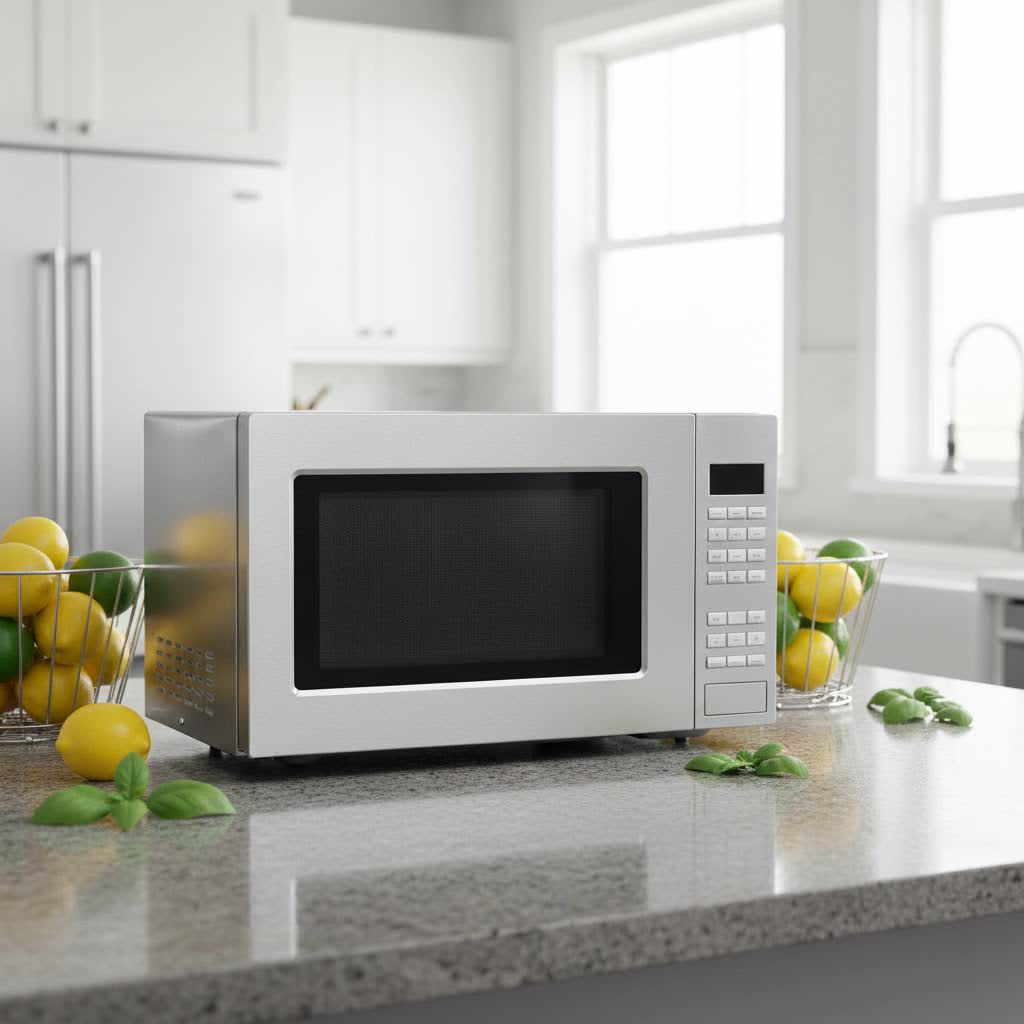
What is a Microwave Oven? Basic Operating Principles
A microwave oven is a kitchen appliance that heats food by exposing it to electromagnetic radiation in the microwave frequency range. This causes polar molecules in the food, such as water, to rotate rapidly and generate thermal energy. Essentially, microwaves excite the water molecules within your food, making them vibrate and produce heat, cooking or reheating your meal from the inside out.
The fundamental principle involves a magnetron tube, which converts electrical energy into high-frequency radio waves, specifically microwaves. These waves are then directed into the oven cavity, typically lined with reflective metal, where they bounce around and are absorbed by the food. Unlike conventional ovens that heat food from the outside in, microwaves penetrate the food directly, resulting in faster cooking times. The invention of the microwave oven in the mid-20th century revolutionized home cooking, offering unprecedented speed and convenience for busy households.
Popular Microwave Oven Classifications on the Market
The diversity of microwave ovens on the market caters to a wide array of kitchen designs and cooking needs. KitchenAid, a leader in kitchen appliances, offers models across various classifications, ensuring there’s a perfect fit for nearly every home chef.
By Function
Microwaves are not just for reheating leftovers anymore; their functionalities have expanded significantly.
- Basic Microwave Ovens (Reheating, Defrosting): These models offer core microwave functions for quick reheating and efficient defrosting. They are straightforward, easy to operate, and ideal for users who primarily need a microwave for simple tasks. KitchenAid provides reliable basic models that excel in these fundamental areas, often with intuitive controls.
- Microwave Ovens with Convection (Baking, Roasting): A significant step up, convection microwaves combine standard microwave technology with a convection fan and heating element. This allows them to function like a smaller, secondary oven, capable of baking, roasting, and crisping foods. KitchenAid’s convection microwaves are highly sought after for their versatility, offering the ability to brown and crisp dishes that a conventional microwave cannot.
- Steam Microwave Ovens (Healthier Cooking): While less common, some advanced models incorporate steam cooking, using water to generate steam for gentle, healthy cooking that preserves nutrients and moisture. KitchenAid primarily focuses on convection and sensor cooking technologies, which also contribute to healthier cooking by preventing overcooking.
|
Our Picks for the Best Microwave Oven in 2026
As an Amazon Associate I earn from qualifying purchases.
|
||
| Num | Product | Action |
|---|---|---|
| 1 | Farberware 1.1 Cu. Ft. Countertop Microwave Oven – 1000 Watts Power, Auto Cook Settings, Defrost, Easy Clean and Child Safety Lock - Stainless |

|
| 2 | Nostalgia Retro Compact Countertop Microwave Oven, 0.7 Cu. Ft. 700-Watts with LED Digital Display, Child Lock, Easy Clean Interior, Aqua |
|
| 3 | TOSHIBA EM131A5C-BS Countertop Microwave Ovens 1.2 Cu Ft, 12.4" Removable Turntable Smart Humidity Sensor 12 Auto Menus Mute Function ECO Mode Easy Clean Interior Black Color 1000W |
|
| 4 | BLACK+DECKER EM720CB7 Digital Microwave Oven with Turntable Push-Button Door, Child Safety Lock, 700W, Stainless Steel, 0.7 Cu.ft |
|
| 5 | Beautiful 1.1 Cu Ft 1000W Sensor Microwave Oven – Compact Countertop with Smart Sensor Cooking, 10 Power Levels & Easy Clean Interior – Perfect for Quick Meals, Office & Holiday Hosting |
|
| 6 | TOSHIBA ML-EM09PA(BS) Small Microwave Oven with 6 Auto Menus, Mute Function & Child Lock, LED Lighting, Perfect for Apartment, 0.9 Cu Ft, 10.6 Inch Removable Turntable, 900W, Black Stainless Steel |
|
| 7 | Farberware 1.1 Cu. Ft. Countertop Microwave Oven – 1000 Watt Power, Auto Cook Settings, Defrost, Easy Clean and Child Safety Lock - Stainless |
|
| 8 | Chefman Countertop Microwave Oven 0.7 Cu. Ft., 700 Watts with 10 Power Levels, 6 Cooking Presets with One-Touch Express Cook, Eco Mode, Child Safety Lock, & Mute Button - Black |
|
| 9 | Farberware 1.1 Cu. Ft. Countertop Microwave Oven – 1000 Watts Power, Auto Cook Settings, Defrost, Easy Clean and Child Safety Lock - Stainless and Black |
|
| 10 | TOSHIBA EM131A5C-SS Countertop Microwave Ovens 1.2 Cu Ft with 12.4" Removable Turntable Smart Humidity Sensor, 12 Auto Menus Mute Function ECO Mode Easy Clean Interior, 1000W, Silver |
|
By Installation Type
The way a microwave is installed significantly impacts kitchen aesthetics and functionality.
- Countertop Microwave Ovens: These are the most common and flexible type, simply placed on your kitchen counter. They require no special installation and are easy to move. KitchenAid offers stylish countertop models that can be a focal point or blend discreetly into your design.
- Over-the-Range (OTR) Microwave Ovens: Designed to be installed above a range or cooktop, OTR microwaves save counter space and often include a built-in ventilation system to clear smoke and odors. KitchenAid’s OTR models are particularly popular, known for their powerful ventilation and sleek designs that complement their ranges.
- Built-in Microwave Ovens (Drawer, Wall Oven Combo): For a truly integrated kitchen look, built-in microwaves are installed into custom cabinetry or a wall oven stack. This category includes microwave drawers that pull out like a drawer, offering ergonomic access, and traditional built-in models. KitchenAid excels in built-in options, providing seamless integration with their other built-in appliances for a cohesive, high-end kitchen.
By Technology
Modern microwaves benefit from advancements that enhance efficiency and user experience.
- Standard Microwave Ovens: These typically use a transformer to deliver a consistent power output, which can sometimes lead to uneven heating, especially at lower power settings.
- Inverter Microwave Ovens (Energy Efficient, Even Cooking): Inverter technology provides a continuous, consistent stream of microwave power, even at lower settings. This results in more even cooking, better defrosting, and improved energy efficiency. Many of KitchenAid’s premium models feature inverter technology, ensuring precise cooking results and optimal power consumption.
Comparison Table of KitchenAid Microwave Oven Types
KitchenAid offers a fantastic range of microwaves, each designed with specific needs in mind. Here’s a comparative look at their primary types:
| Feature | Countertop Microwave Oven | Over-the-Range (OTR) Microwave Oven | Built-in Microwave Oven (Wall, Drawer) |
|---|---|---|---|
| Space Saving | Takes up counter space; portable | Saves counter space; integrates exhaust fan | Integrates into cabinetry; frees up counter space |
| Installation | Plug and play | Requires professional installation; vents to outside/recirculates | Requires custom cabinetry and professional installation |
| Capacity | Varies widely, generally good for smaller needs | Medium to large capacities, often 1.7-2.2 cu. ft. | Medium to large capacities, often 1.4-2.2 cu. ft. |
| Key Features | Sensor cooking, preset programs, compact options | Sensor cooking, convection options, powerful ventilation, LED lighting | Sensor cooking, convection options, sleek design, ergonomic drawer models |
| Aesthetics | Can be moved, but sits on counter | Integrated above range, often matches KitchenAid range styling | Seamless, integrated look; high-end kitchen appeal |
| Typical Cost | Moderate | Moderate to High | High |
| Pros | Flexible placement, often more affordable | Dual function (microwave + vent), saves space, ideal for kitchens lacking dedicated vent hood | Premium look, ergonomic access (drawer), custom integration with other appliances |
| Cons | Uses counter space, no ventilation | Can be harder to clean, specific installation requirements, may block view of stovetop | Higher cost, complex installation, requires specific cabinet cutouts |
| Best For | Renters, smaller kitchens, secondary microwave needs | Replacing an old range hood, smaller kitchens needing to maximize space | Custom kitchens, high-end renovations, those prioritizing aesthetics and seamless design |
Guide to Choosing the Right KitchenAid Microwave Oven
Selecting the perfect KitchenAid microwave involves considering several factors beyond just brand loyalty. Tailoring your choice to your specific lifestyle and kitchen setup will ensure lasting satisfaction.
Determine Usage Needs
Start by evaluating how you envision using your microwave. Are you primarily reheating leftovers and defrosting ingredients for one or two people? A basic countertop model might suffice. If you have a busy family that relies on quick meals, or you entertain frequently and need a secondary oven for baking or roasting, a KitchenAid convection microwave oven will be an invaluable asset. Consider how often you cook, the types of dishes you prepare, and the speed you require.
Choose Appropriate Capacity
Microwave capacity, measured in cubic feet, dictates how much food the oven can hold.
- Small Capacity (Under 1.6 cu. ft.): Ideal for 1-2 people, dorm rooms, or small apartments. These are typically compact countertop models.
- Medium Capacity (1.6 – 2.0 cu. ft.): Suitable for 3-4 people. This size is common for many countertop and over-the-range models, accommodating standard dinner plates and casserole dishes.
- Large Capacity (Over 2.0 cu. ft.): Best for large families or those who frequently cook for groups. Many KitchenAid OTR and built-in models offer larger capacities, capable of handling bigger platters and multiple dishes.
Choose Appropriate Power
Microwave power is measured in watts, typically ranging from 700W to 1200W+. Higher wattage generally means faster and more even cooking.
- Lower Power (Under 900W): Sufficient for basic reheating and defrosting tasks.
- Higher Power (900W+): Recommended for more extensive cooking, such as baking in a convection microwave or quickly heating dense foods. KitchenAid typically offers models with 900W and above, ensuring robust performance. Higher power also correlates with better performance for sensor cooking features.
Select Convenient Features
Modern KitchenAid microwaves come packed with features designed to simplify your cooking experience.
- Sensor Cooking: This intelligent feature detects moisture and humidity levels in the food, automatically adjusting cooking time and power for optimal results. It eliminates guesswork and prevents overcooking. Many KitchenAid models boast advanced sensor cooking technologies.
- Preset Programs: Pre-programmed settings for popular foods like popcorn, potatoes, or pizza make one-touch cooking incredibly convenient.
- Convection Capability: As discussed, this allows for baking and roasting, effectively turning your microwave into a second oven.
- Inverter Technology: Ensures consistent power delivery for even cooking and defrosting, a hallmark of premium KitchenAid models.
- Add 30 Seconds Button: A simple yet incredibly useful feature for quick bursts of reheating.
- Keep Warm Function: Maintains food at a serving temperature without overcooking.
- Child Lock: Essential for safety, preventing accidental operation by children.
- Easy-to-Clean Interior: Non-stick or coated interiors simplify cleanup after spills and splatters. KitchenAid often features CookShield Finish for easy maintenance.
Choose a Reputable Brand: KitchenAid
When it comes to kitchen appliances, KitchenAid is synonymous with quality, durability, and sophisticated design. Opting for a KitchenAid microwave ensures you’re investing in a product known for its performance and aesthetic appeal. Their appliances are designed to work together, offering a cohesive look and feel across your kitchen. Many users appreciate the robust construction and attention to detail in KitchenAid products.
“KitchenAid microwaves consistently deliver a blend of robust performance and elegant design, making them a top choice for homeowners who value both functionality and aesthetics in their kitchen appliances.” – Chef Elena Rodriguez, Culinary Technology Expert
Inspect the Product Before Buying
Before finalizing your purchase, whether online or in-store, take time to review the product specifications thoroughly. If possible, inspect the physical unit. Check the door mechanism, turn the turntable, and test the buttons for responsiveness. Ensure all accessories, such as the turntable plate and rack (for convection models), are included and in good condition. Verify the external dimensions carefully, especially for built-in or over-the-range models, to ensure a perfect fit in your kitchen.
Refer to User Reviews
One of the most valuable resources is feedback from other users. Read online reviews on retailer websites, appliance forums, and independent review sites. Pay attention to comments regarding cooking performance, reliability, ease of cleaning, noise levels, and customer service experience with KitchenAid. While individual experiences vary, patterns in reviews can highlight common strengths and potential weaknesses, guiding your decision.
Top KitchenAid Microwave Oven Models Today
KitchenAid offers a range of excellent microwave ovens across different categories, each with specific strengths. While specific model numbers frequently update, here are examples of popular types and features you’ll find in their current lineup, focusing on their most acclaimed offerings:
KitchenAid Over-the-Range Microwaves (e.g., KMLS311HSS, KMHS120ESS Series)
These are consistently among KitchenAid’s best-sellers. They feature powerful 300-400 CFM (Cubic Feet per Minute) ventilation systems, often with multiple fan speeds and boost functions to clear smoke and odors.
- Pros: Space-saving, integrates ventilation, large capacity (often 1.7-2.2 cu. ft.), many include sensor cooking, some offer convection. Sleek stainless steel designs are standard.
- Cons: Installation can be more complex, may require ducting, can be heavier.
- Why it’s popular: Ideal for those looking to combine a microwave with a range hood, offering a clean, integrated look above the cooking surface. Models with convection cooking add significant versatility.
KitchenAid Built-in Microwaves (e.g., KMBD104GSS Microwave Drawer, KMCD304GSS Built-in with Trim Kit)
KitchenAid’s built-in options are designed for a custom, high-end kitchen aesthetic. The microwave drawer is particularly innovative.
- Microwave Drawer Pros: Ergonomic placement (often under counter or in an island), sleek design, easy access, large capacity (often 1.2 cu. ft.), sensor cooking.
- Microwave Drawer Cons: Higher price point, requires specific cabinet cut-out, not suitable for all kitchen layouts.
- Built-in with Trim Kit Pros: Seamless integration with existing cabinetry or wall ovens, often comes with convection functionality, powerful performance (1000W+).
- Built-in with Trim Kit Cons: Requires professional installation and specific cabinet dimensions, generally more expensive.
- Why it’s popular: For homeowners seeking a truly custom kitchen with integrated appliances, these models offer both visual appeal and high performance. The drawer model is excellent for universal design and accessibility.
KitchenAid Countertop Microwaves (e.g., KMCC5018GSS Series)
While KitchenAid’s countertop selection might be smaller than their built-in and OTR lines, their models offer reliable performance and stylish design.
- Pros: Flexible placement, no installation required, often includes sensor cooking, robust construction typical of KitchenAid.
- Cons: Takes up valuable counter space, no built-in ventilation.
- Why it’s popular: A great choice for those who need KitchenAid quality but prefer the flexibility of a countertop model or have specific kitchen layouts that don’t accommodate built-in options.
Many of these models feature KitchenAid’s distinctive design elements, like professional-style handles, stainless steel finishes, and easy-to-clean interiors, ensuring they complement other KitchenAid appliances in your kitchen.
Guide to Using and Maintaining KitchenAid Microwave Ovens Correctly
Proper use and maintenance are crucial for maximizing the lifespan and performance of your KitchenAid microwave oven. Following these guidelines will ensure safe and efficient operation.
Understanding and Using Functions
Familiarize yourself with your specific model’s control panel and manual. Most KitchenAid microwaves feature:
- Sensor Cooking: Place food in the microwave, select the sensor cooking option for your food type (e.g., “potatoes,” “reheat”), and press start. The microwave will automatically adjust cooking time.
- Convection Bake/Roast (if applicable): Follow recipe instructions for temperature and time, just as you would with a conventional oven. Use the included metal rack for convection cooking.
- Defrost: Select the defrost setting and enter the weight of the food. The microwave will calculate the time and may prompt you to turn the food halfway through.
- Power Levels: Use lower power levels for delicate foods, simmering, or softening, and higher power for boiling, reheating, or cooking.
- Timers and Delay Start: Utilize these for precise cooking or to program your microwave to start at a later time.
Cleaning and Maintenance
Regular cleaning prevents food buildup and keeps your microwave hygienic.
- Daily Wipe-Down: After each use, wipe down the interior with a damp cloth or sponge, especially if there are splatters.
- Deep Cleaning: For stubborn food residue, place a bowl of water with a slice of lemon or a tablespoon of white vinegar inside the microwave. Heat it on high for 2-5 minutes until steam builds up, then let it sit for another 5 minutes before wiping the interior clean. The steam will loosen dried-on food.
- Turntable Care: Remove the glass turntable and wash it in the sink with warm, soapy water or place it in the dishwasher (if dishwasher-safe).
- Exterior: Wipe down the exterior with a soft cloth and a mild cleaner suitable for your appliance’s finish (e.g., stainless steel cleaner for stainless models).
- Door Seals: Keep the door seals clean and free of food debris to ensure a tight seal and prevent microwave leakage.
- Vent Filters (OTR models): For over-the-range models, regularly clean or replace the grease filters according to your manual’s instructions to maintain effective ventilation.
- Light Bulb Replacement: If your interior light or surface light (for OTR) burns out, refer to your manual for instructions on safe replacement.
Safety Precautions
Always prioritize safety when operating a microwave.
- Never Microwave Metal: Metal can cause arcing and damage the microwave. Use only microwave-safe dishes and containers.
- Avoid Overheating Liquids: Superheated liquids can violently erupt when disturbed. Stir liquids halfway through heating and let them stand for a moment before removing.
- Don’t Run Empty: Operating an empty microwave can damage the magnetron.
- Check for Damage: If the door latch, seal, or cavity is damaged, do not use the microwave and contact a qualified service technician.
- Use Proper Cookware: Ensure dishes are labeled “microwave-safe.”
- Ventilation (OTR models): Always use the ventilation fan when cooking on the stovetop beneath an OTR microwave to prevent grease buildup and maintain air quality.
Common Microwave Oven Problems and How to Fix Them
Even high-quality KitchenAid microwave ovens can occasionally encounter issues. Knowing common problems and their potential solutions can save you a service call.
1. Microwave Not Heating Food
- Cause: Faulty magnetron, door switch issue, blown diode, or power surge.
- Simple Fix: Ensure the door is fully closed. Check if the circuit breaker has tripped.
- When to Call a Technician: If these don’t work, it’s likely an internal component failure (magnetron, diode, transformer). These repairs involve high voltage and should only be performed by a certified technician.
2. Turntable Not Rotating
- Cause: Motor failure, broken drive coupling, or the turntable itself is not seated correctly.
- Simple Fix: Make sure the turntable is properly placed on the drive shaft. Check for food debris beneath the turntable that might be obstructing its movement.
- When to Call a Technician: If the motor hums but the turntable doesn’t turn, the motor might be faulty.
3. Microwave Making Unusual Noises (Loud Buzzing, Grinding)
- Cause: Worn out turntable motor, cooling fan issue, or in rare cases, a problem with the magnetron or transformer.
- Simple Fix: Check if the turntable is rattling against debris. Ensure no loose items are inside.
- When to Call a Technician: If the noise persists and isn’t related to the turntable, it could indicate a more serious internal issue requiring professional diagnosis.
4. Sparks or Arcing Inside the Microwave
- Cause: Metal objects inside (foil, metallic trim on dishes), damaged waveguide cover, or food particles cooked onto the interior.
- Simple Fix: Immediately turn off and unplug the microwave. Remove any metal. Clean the interior thoroughly, paying attention to the waveguide cover (the flat, usually mica, plate).
- When to Call a Technician: If sparks continue after cleaning and ensuring no metal is present, the waveguide cover may need replacement or there might be internal component damage. Stop using the microwave.
5. Microwave Not Turning On
- Cause: No power, tripped circuit breaker, faulty door switch, or control panel issue.
- Simple Fix: Check the power outlet and the circuit breaker. Ensure the door is completely closed.
- When to Call a Technician: If the power source is fine and the door is closed, there could be an issue with the door interlock switches or the control board.
When to call a professional technician: For any issue involving internal electrical components, high voltage parts like the magnetron or capacitor, or if you are uncomfortable performing a simple fix, always defer to a qualified appliance repair technician. Attempting DIY repairs on microwave ovens can be dangerous due to residual high voltage.
Conclusion
Choosing a KitchenAid microwave oven means investing in a blend of renowned craftsmanship, innovative features, and sophisticated design that elevates your kitchen’s functionality and aesthetic. Whether you prioritize the space-saving efficiency of an over-the-range model, the seamless integration of a built-in unit, or the reliable performance of a countertop option, KitchenAid offers a solution tailored to your culinary needs. Understanding the various types, capacities, power levels, and convenient features will empower you to select the perfect appliance that not only meets your cooking demands but also complements your lifestyle. By following proper usage and maintenance guidelines, your KitchenAid microwave will serve as a dependable cornerstone in your kitchen for years to come. What unique feature are you most excited to have in your next KitchenAid microwave?
Frequently Asked Questions
What are the main advantages of a KitchenAid convection microwave oven?
KitchenAid convection microwaves combine traditional microwave speed with convection baking and roasting, allowing you to brown, crisp, and bake foods like a conventional oven. This versatility makes them ideal for secondary oven use, offering more cooking flexibility in a single appliance.
How do I clean the interior of my KitchenAid microwave effectively?
For everyday cleaning, wipe with a damp cloth. For stubborn stains, place a bowl of water with lemon slices or vinegar in the microwave, heat on high for a few minutes until steam builds, then let it sit before wiping. This loosens grime for easy removal without harsh chemicals.
Can I install a KitchenAid over-the-range microwave myself?
While technically possible, installing an over-the-range microwave, especially one requiring external venting, is generally recommended for professional installation. It involves proper mounting, electrical connections, and potentially ductwork, ensuring safety and optimal performance.
What is KitchenAid’s CookShield Finish and how does it benefit me?
KitchenAid’s CookShield Finish is a specialized non-stick coating on the interior of many of their microwave models. It makes cleaning spills and splatters much easier, as food residue is less likely to stick, saving you time and effort in maintenance.
Are KitchenAid microwave drawers worth the higher cost?
KitchenAid microwave drawers offer a premium, integrated look and ergonomic access, often installed under a counter or in an island. While they come at a higher price point, their seamless design, convenient placement, and advanced features can significantly enhance a modern kitchen’s functionality and aesthetic appeal.
