Choosing a new microwave oven can often feel overwhelming, with countless brands and models vying for your attention. If you’re looking for a blend of reliability, innovation, and diverse functionality, General Electric (GE) microwave ovens frequently stand out as a top contender. With a long-standing reputation for producing dependable home appliances, GE offers a range of microwaves designed to meet various kitchen needs and culinary styles, from quick reheating to advanced convection baking and air frying. This guide will delve into the world of GE microwaves, helping you understand their core features, different types, and how to select the perfect model to enhance your cooking experience and streamline your daily routine.
What is a Microwave Oven? Basic Operating Principles
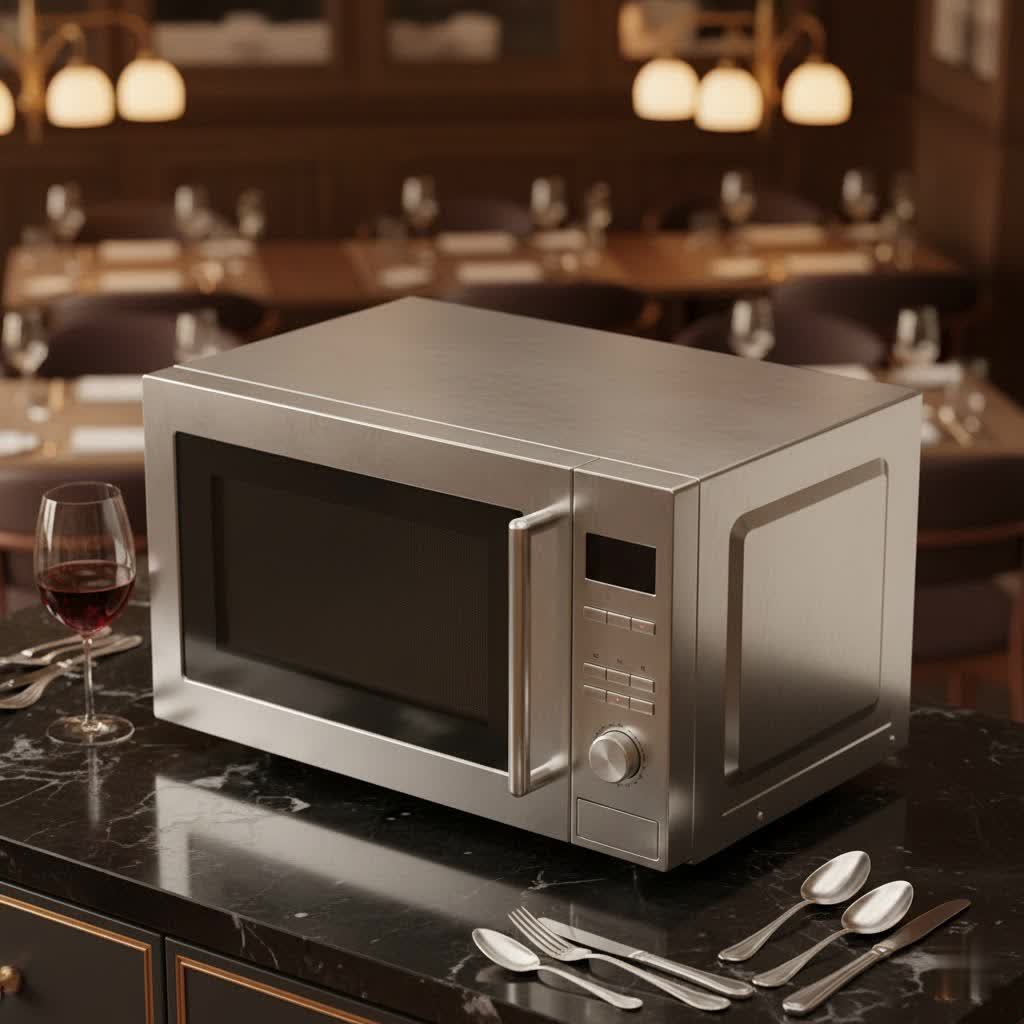
A microwave oven is a kitchen appliance that heats food by exposing it to electromagnetic radiation in the microwave frequency range. This process excites water molecules within the food, generating heat internally and cooking the food rapidly. The primary use of a microwave oven is for reheating leftovers, defrosting frozen items, and quickly cooking various dishes.
The fundamental principle relies on a component called a magnetron, which generates microwaves. These waves are then guided into the cooking cavity, where they bounce off the metallic interior walls and are absorbed by the food. As the water, fat, and sugar molecules in the food absorb this energy, they vibrate rapidly, creating friction and heat. Unlike conventional ovens that heat food from the outside in, microwaves penetrate food, allowing for faster and more efficient cooking, though often requiring a turntable to ensure even exposure. The development of the microwave oven revolutionized kitchen convenience, making quick meals and rapid defrosting accessible to every household.
Types of GE Microwave Ovens on the Market
GE offers a diverse portfolio of microwave ovens, categorized by both their functionality and installation type, ensuring there’s a model suited for every kitchen layout and cooking habit.
By Functionality: Expanding Beyond Basic Reheating
GE microwaves have evolved far beyond simple reheating units, now incorporating advanced cooking technologies:
- Basic Microwaves: These models focus on the core functions of reheating, defrosting, and simple cooking with variable power settings. They are ideal for users who primarily need a microwave for quick tasks and value simplicity and efficiency.
- Convection Microwaves: Many GE Profile models feature convection technology, which uses a fan to circulate hot air throughout the oven cavity. This allows for more even cooking, roasting, and baking, effectively turning your microwave into a secondary oven. Convection models are excellent for achieving crispy textures and more thorough cooking results than standard microwaves.
- Microwave Ovens with Air Fry: Responding to the growing popularity of healthier cooking, some newer GE microwaves integrate air fry capabilities. This function uses intense, circulating hot air to cook foods to a crispy, golden finish with little to no oil, perfect for anything from french fries to chicken wings.
- GE Advantium Over-the-Range Microwave Ovens: These are high-performance speed ovens that combine microwave, convection, broiling, and halogen lighting technologies to cook food up to eight times faster than a conventional oven, often without preheating. Advantium ovens are designed for serious cooks who need versatile and rapid cooking solutions.
|
Our Picks for the Best Microwave Oven in 2026
As an Amazon Associate I earn from qualifying purchases.
|
||
| Num | Product | Action |
|---|---|---|
| 1 | TOSHIBA EM131A5C-BS Countertop Microwave Ovens 1.2 Cu Ft, 12.4" Removable Turntable Smart Humidity Sensor 12 Auto Menus Mute Function ECO Mode Easy Clean Interior Black Color 1000W |

|
| 2 | Nostalgia Retro Compact Countertop Microwave Oven, 0.7 Cu. Ft. 700-Watts with LED Digital Display, Child Lock, Easy Clean Interior, Aqua |
|
| 3 | TOSHIBA EM131A5C-SS Countertop Microwave Ovens 1.2 Cu Ft with 12.4" Removable Turntable Smart Humidity Sensor, 12 Auto Menus Mute Function ECO Mode Easy Clean Interior, 1000W, Silver |
|
| 4 | BLACK+DECKER EM720CB7 Digital Microwave Oven with Turntable Push-Button Door, Child Safety Lock, 700W, Stainless Steel, 0.7 Cu.ft |
|
| 5 | Chefman Countertop Microwave Oven 0.7 Cu. Ft., 700 Watts with 10 Power Levels, 6 Cooking Presets with One-Touch Express Cook, Eco Mode, Child Safety Lock, & Mute Button - Black |
|
| 6 | TOSHIBA ML-EM09PA(BS) Small Microwave Oven with 6 Auto Menus, Mute Function & Child Lock, LED Lighting, Perfect for Apartment, 0.9 Cu Ft, 10.6 Inch Removable Turntable, 900W, Black Stainless Steel |
|
| 7 | Farberware 1.1 Cu. Ft. Countertop Microwave Oven – 1000 Watts Power, Auto Cook Settings, Defrost, Easy Clean and Child Safety Lock - Stainless |
|
| 8 | Beautiful 1.1 Cu Ft 1000W Sensor Microwave Oven – Compact Countertop with Smart Sensor Cooking, 10 Power Levels & Easy Clean Interior – Perfect for Quick Meals, Office & Holiday Hosting |
|
| 9 | Farberware 1.1 Cu. Ft. Countertop Microwave Oven – 1000 Watt Power, Auto Cook Settings, Defrost, Easy Clean and Child Safety Lock - Stainless |
|
| 10 | Farberware 1.1 Cu. Ft. Countertop Microwave Oven – 1000 Watts Power, Auto Cook Settings, Defrost, Easy Clean and Child Safety Lock - Stainless and Black |
|
By Installation Type: Seamless Integration into Your Kitchen
GE provides microwaves that can be seamlessly integrated into various kitchen designs:
- Countertop Microwaves: These are portable units that sit directly on your kitchen counter. They are the most flexible in terms of placement and come in a wide range of sizes and power levels, making them suitable for small apartments or as an auxiliary cooking appliance.
- Over-the-Range Microwaves (OTR): Designed to be installed above your cooktop or range, OTR microwaves save counter space and often include built-in ventilation systems (range hoods) to remove smoke, steam, and odors from stovetop cooking. GE offers several popular OTR models known for their reliable performance and user-friendly features.
- Built-in/Wall Oven Combination Microwaves: For a sleek, integrated look, GE offers built-in microwaves that can be installed flush with cabinetry or as part of a wall oven combination unit. These are perfect for creating a custom kitchen aesthetic and maximizing counter space.
By Technology: Smart Features for Modern Kitchens
While the “inverter technology” popularized by some brands isn’t a primary marketing focus for GE, their microwaves incorporate other smart and convenient technologies:
- Sensor Cooking: Many GE models feature sensor cooking, which automatically adjusts cooking time and power levels based on the moisture levels detected in the food, ensuring optimal results without guesswork.
- Scan-to-Cook Technology: (Found in some smart models) This feature allows users to scan barcodes on packaged foods using a smartphone app, which then sends precise cooking instructions to the microwave, simplifying meal preparation.
- Variable Power Levels: All GE microwaves offer multiple power levels (typically 1-10) to provide flexibility for various cooking tasks, from gentle defrosting to rapid boiling.
Comparison of GE Microwave Oven Types
| Feature / Type | Basic Countertop Microwave | Over-the-Range (OTR) Microwave | Convection/Air Fry Microwave (Countertop/OTR) | Advantium Speed Oven (OTR/Built-in) |
|---|---|---|---|---|
| Primary Use | Reheating, defrosting | Reheating, defrosting, ventilation | Baking, roasting, air frying, microwave | High-speed cooking, baking, broiling, microwave |
| Installation | Countertop | Above range (requires venting) | Countertop or Above range | Above range or Built-in |
| Typical Capacity | 0.7 – 1.1 cu. ft. | 1.7 – 2.1 cu. ft. | 0.9 – 1.7 cu. ft. | 1.7 – 2.1 cu. ft. |
| Key Features | Simple presets, time cook | Integrated vent fan, lighting, presets | Convection bake/roast, air fry presets, sensor | Halogen light, convection, microwave, multiple modes |
| Pros | Affordable, portable, easy to use | Space-saving, ventilation, good capacity | Versatile cooking, healthier options, even heating | Extremely fast cooking, multi-functional |
| Cons | No ventilation, occupies counter space | More complex installation, higher cost | Higher cost than basic, can be larger | Premium price, complex features, specific installation |
| Price Range | Low to Mid | Mid to High | Mid to High | Premium |
| Best For | Singles, small families, basic tasks | Families, kitchens with limited counter space | Home cooks wanting oven-like results, healthy cooking | Busy individuals, gourmet cooks, fast meal prep |
How to Choose the Right GE Microwave Oven
Selecting the ideal GE microwave involves evaluating your household’s specific needs and preferences. With a wide array of options, narrowing down your choices requires a thoughtful approach.
1. Assess Your Usage Needs and Family Size
Consider how often and for what purposes you’ll use the microwave.
- Frequency: If you only use it for occasional reheating, a basic model might suffice. For daily cooking, baking, or air frying, a more feature-rich convection or Advantium model would be beneficial.
- Family Size:
- 1-2 people: A compact unit (under 1.0 cu. ft.) is usually enough for quick meals and small portions.
- 3-4 people: A mid-sized microwave (1.1-1.6 cu. ft.) offers enough space for most dinner plates and casseroles.
- Large families or frequent entertainers: A larger model (1.7 cu. ft. or more) can accommodate bigger dishes and multiple items.
2. Choose the Appropriate Capacity
Capacity, measured in cubic feet (cu. ft.), determines how much food your microwave can hold.
- Small (under 1.0 cu. ft.): Perfect for dorms, small kitchens, or occasional use.
- Medium (1.1 – 1.6 cu. ft.): A versatile size that fits most dinnerware and everyday cooking needs.
- Large (1.7 cu. ft. and above): Ideal for large families or those who frequently cook larger items like roasts or multiple side dishes. Ensure the turntable can accommodate your most commonly used platters.
3. Consider Power (Wattage)
Microwave power is measured in watts (W) and directly impacts cooking speed and efficiency.
- Lower Power (600-800W): Suitable for basic tasks like reheating and defrosting. Cooking times will be longer.
- Medium Power (800-1000W): A good balance for everyday cooking, faster heating, and more even results. Most standard microwaves fall into this range.
- High Power (1000W+): Offers the fastest cooking times and typically better performance for more demanding tasks. Convection and Advantium models often have higher wattage.
4. Evaluate Convenient Features
Modern GE microwaves come with a host of features designed to make cooking easier and more enjoyable.
- Sensor Cooking: A highly recommended feature that automatically adjusts cooking time and power based on steam emitted from the food, preventing over- or under-cooking.
- Pre-programmed Settings: One-touch buttons for popular items like popcorn, baked potatoes, pizza, or beverages.
- Express Cook/Add 30 Seconds: Allows for quick starts or adding extra time with a single touch.
- Defrost Options: Both “weight defrost” (input food weight, microwave calculates time) and “time defrost” for more control.
- Child Lock: Essential for households with young children, preventing accidental operation.
- Turntable On/Off: Useful for accommodating larger, rectangular dishes that don’t fit the rotating turntable.
- Surface Light & Vent Fan (for OTR models): Essential for illuminating your stovetop and removing smoke and odors. Look for multiple fan speeds and light settings.
5. Research Reputable GE Series and Models
GE offers various lines, with GE Profile generally representing their more premium, feature-rich options. Reading customer reviews for specific models, such as those often praised on major retail sites for their reliability and performance, can provide valuable insights. For example, GE’s Over-the-Range microwaves are often lauded for their combination of reliable cooking and effective ventilation.
6. Pre-Purchase Inspection and User Reviews
Before making a final decision, if possible, physically inspect the microwave.
- Exterior and Interior: Check for any visible damage or imperfections.
- Control Panel: Ensure the buttons are responsive and the display is clear and easy to read. Some users have noted issues with black-on-black keypads being difficult to see in low light.
- Door Mechanism: Open and close the door a few times to ensure it operates smoothly.
- Included Accessories: Confirm all advertised accessories (e.g., turntable, racks for convection models) are present.
- Online Reviews: Pay attention to long-term user feedback regarding durability, performance consistency, and common complaints.
Top GE Microwave Models: A Glimpse into Popular Choices
GE consistently produces highly-rated microwave ovens across various categories. While specific model numbers change, certain types of GE microwaves reliably receive positive attention.
- Best Overall Over-the-Range Microwave: GE’s Over-the-Range Microwave often ranks highly, earning praise for its reliable cooking performance and user-friendly features, alongside its dual function as a range hood. These models frequently combine robust microwave capabilities with efficient ventilation, making them a popular choice for families.
- Best Mid-Range Countertop Convection Microwave Oven: GE also offers countertop convection microwaves that are frequently cited for providing excellent versatility. These units can effectively heat, defrost, air fry, and bake, offering crispy and evenly cooked results. They are a great choice for those who desire more than just basic microwave functions without the commitment of an over-the-range or built-in unit.
- GE Profile Series: For those seeking advanced features and a premium aesthetic, the GE Profile series, particularly their convection and Advantium models, are highly regarded. These often come with sophisticated sensor cooking, multiple cooking modes, and sleek designs that elevate any kitchen.
Using and Maintaining Your GE Microwave Oven Correctly
Proper use and regular maintenance are crucial for ensuring the longevity and optimal performance of your GE microwave oven.
Operating Your GE Microwave
- Understanding Power Levels: Your GE microwave typically has 10 power levels. High (100%) is best for fast cooking and boiling. Medium-High (70%) is ideal for gentle cooking of meats and casseroles. Medium (50%) suits slow cooking, while Low (30%) is perfect for defrosting and delicate sauces. Warm (10%) can keep food warm or soften butter. “Variable power levels add flexibility to Microwave cooking. The power levels on the Microwave Oven can be compared to the surface burners on a Range. Each power level gives the microwave energy for a certain percent of the time.”
- Time Cook: To set a specific cooking duration, press the “Time Cook” button, enter your desired time, and then select a power level if you don’t want full power.
- Defrosting: Use the “Defrost” button, selecting either “Weight Defrost” (input food weight) or “Time Defrost” for controlled thawing.
- Sensor Cooking: For models with this feature, simply select the sensor cook option for a particular food type (e.g., “popcorn,” “reheat”) and the microwave will automatically adjust the cooking time.
- Convection/Air Fry (if applicable): Follow the specific instructions in your manual for these modes, as they often require different cookware or preheating.
Cleaning and Care Tips
- Interior: Regularly wipe down the interior with a damp cloth and mild detergent to prevent food splatters from hardening. For stubborn stains, heat a bowl of water with lemon slices for a few minutes until steam builds up, then wipe clean.
- Exterior: Clean the exterior surfaces with a soft cloth and a non-abrasive cleaner. For stainless steel finishes, use a specialized stainless steel cleaner to avoid streaks.
- Turntable: The glass turntable can be removed and washed by hand or in a dishwasher.
- Vent Filters (for OTR models): Clean the grease filters regularly (typically monthly) as instructed in your manual to maintain proper ventilation. Some are dishwasher-safe.
- Door Seal: Keep the area where the door seals against the microwave clean to ensure a tight closure and efficient operation.
Safety Precautions
- No Metal: Never use metal utensils, foil (unless specifically instructed for a particular mode and molded to the food), or dishes with metallic trim in the microwave, as this can cause arcing (sparking).
- Proper Cookware: Use only microwave-safe cookware, typically glass, ceramic, or plastic containers labeled “microwave safe.”
- Vent Food: When heating liquids or covering dishes with plastic wrap, always ensure there’s a vent for steam to escape to prevent superheating and sudden boil-overs.
- Monitor Food: Stay near the microwave while it’s operating, especially for new recipes or when using high power.
- Do Not Overheat: Avoid overheating liquids, which can lead to delayed boiling and potential burns when disturbed. “Liquids, such as water, coffee, or tea, are able to be overheated beyond the boiling point without appearing to be boiling. Visible bubbling or boiling when the container is removed from the microwave oven is not always present.”
Common GE Microwave Problems and Troubleshooting
While GE microwaves are generally reliable, like any appliance, they can encounter issues. Here are some common problems and basic troubleshooting steps:
- Microwave Not Heating Food:
- Possible Cause: Door not fully closed, power outage, faulty magnetron.
- Troubleshooting: Ensure the door is securely latched. Check if the circuit breaker has tripped. If the light is on but there’s no heating, it might be a magnetron issue requiring professional service.
- Control Panel Difficult to See:
- Possible Cause: Low contrast (e.g., black buttons on a black panel), poor lighting in the kitchen.
- Troubleshooting: Improve kitchen lighting. Some users have resorted to marking frequently used buttons for better visibility.
- Uneven Heating:
- Possible Cause: Food density, improper power level, turntable not rotating.
- Troubleshooting: Stir or rotate food halfway through cooking. Use a lower power level for denser foods. Ensure the turntable is correctly seated and rotates freely.
- Microwave Making Unusual Noises:
- Possible Cause: Turntable issue, fan motor noise, high-voltage component issue.
- Troubleshooting: Check if the turntable is correctly placed. A humming or buzzing sound is normal, but loud grinding or rattling may indicate a problem with the fan or other internal components, warranting professional inspection.
- Arcing (Sparking) Inside the Oven:
- Possible Cause: Metal inside the microwave, damaged waveguide cover, food particles.
- Troubleshooting: Immediately press “Clear/Off.” Remove any metal items. Clean the interior thoroughly, especially the waveguide cover (a rectangular panel inside). If arcing persists, contact service. “Arcing is the microwave term for sparks in the oven. Arcing is caused by: … The metal shelf not installed correctly so it touches the microwave wall.”
- Door Not Latching Properly:
- Possible Cause: Food debris blocking the latch, misaligned door.
- Troubleshooting: Clean around the door latch and frame. If the door appears misaligned or the latch is broken, professional repair is needed.
For complex issues or safety concerns, it is always recommended to contact a qualified GE service technician. Do not attempt to repair internal components yourself.
Conclusion
General Electric Microwave Ovens continue to be a cornerstone in many kitchens, offering a diverse range of models that cater to every cooking style and budget. Whether you need a simple countertop unit for quick reheats or a sophisticated Advantium oven for gourmet cooking, GE delivers with a commitment to reliability and thoughtful design. By understanding the different types—from basic to convection and air fry models—and considering factors like capacity, wattage, and convenient features, you can confidently choose a GE microwave oven that seamlessly integrates into your daily life. Remember that proper usage and consistent maintenance are key to maximizing its lifespan and ensuring safe, efficient operation. Investing in a GE microwave means bringing a trusted appliance into your home, ready to simplify your cooking and elevate your culinary endeavors for years to come. What culinary creations will you embark on with your new GE microwave?
Frequently Asked Questions
What are the main advantages of a GE convection microwave oven?
GE convection microwave ovens combine traditional microwave speed with the browning and baking capabilities of a conventional oven. This allows for more versatile cooking, enabling you to roast vegetables, bake casseroles, or achieve crispy results, making it a powerful two-in-one appliance that saves counter space.
Is GE’s “Scan-to-Cook” technology still relevant or widely available?
GE’s “Scan-to-Cook” technology, while innovative, was initially “cooler in theory than in practice” on earlier smart models according to some reviews. While it aimed to simplify cooking by scanning food barcodes, its widespread adoption and development might vary across current GE models. Always check the latest model specifications for its inclusion and user feedback on its effectiveness.
How does wattage affect a GE microwave’s performance?
Wattage directly correlates with cooking power and speed. A higher wattage (e.g., 1000W+) means faster cooking times and generally more even heat distribution, which is beneficial for dense foods and larger quantities. Lower wattage models (e.g., 700W) are suitable for basic reheating but will take longer to cook.
Can I install a GE over-the-range microwave myself?
While some DIY enthusiasts might attempt it, installing a GE over-the-range microwave can be complex due to electrical wiring, mounting, and ensuring proper ventilation. It often requires two people and specific tools. For safety and optimal performance, professional installation is generally recommended.
What kind of maintenance does a GE microwave require?
Regular maintenance includes daily wiping of the interior to prevent food buildup, cleaning the glass turntable, and wiping down the exterior. For over-the-range models, cleaning or replacing grease filters regularly is crucial for maintaining effective ventilation. Always consult your specific model’s user manual for detailed cleaning instructions.
