Are you struggling with limited counter space in your kitchen but still desire the convenience of a powerful microwave oven? The Ge Spacemaker Microwave Oven series might be the perfect solution you’ve been searching for. These innovative appliances are expertly designed to integrate seamlessly above your range, freeing up valuable counter real estate while offering a full suite of cooking functionalities. This comprehensive guide will delve into what makes GE Spacemaker microwaves stand out, help you choose the ideal model, and provide tips for optimal usage and maintenance.
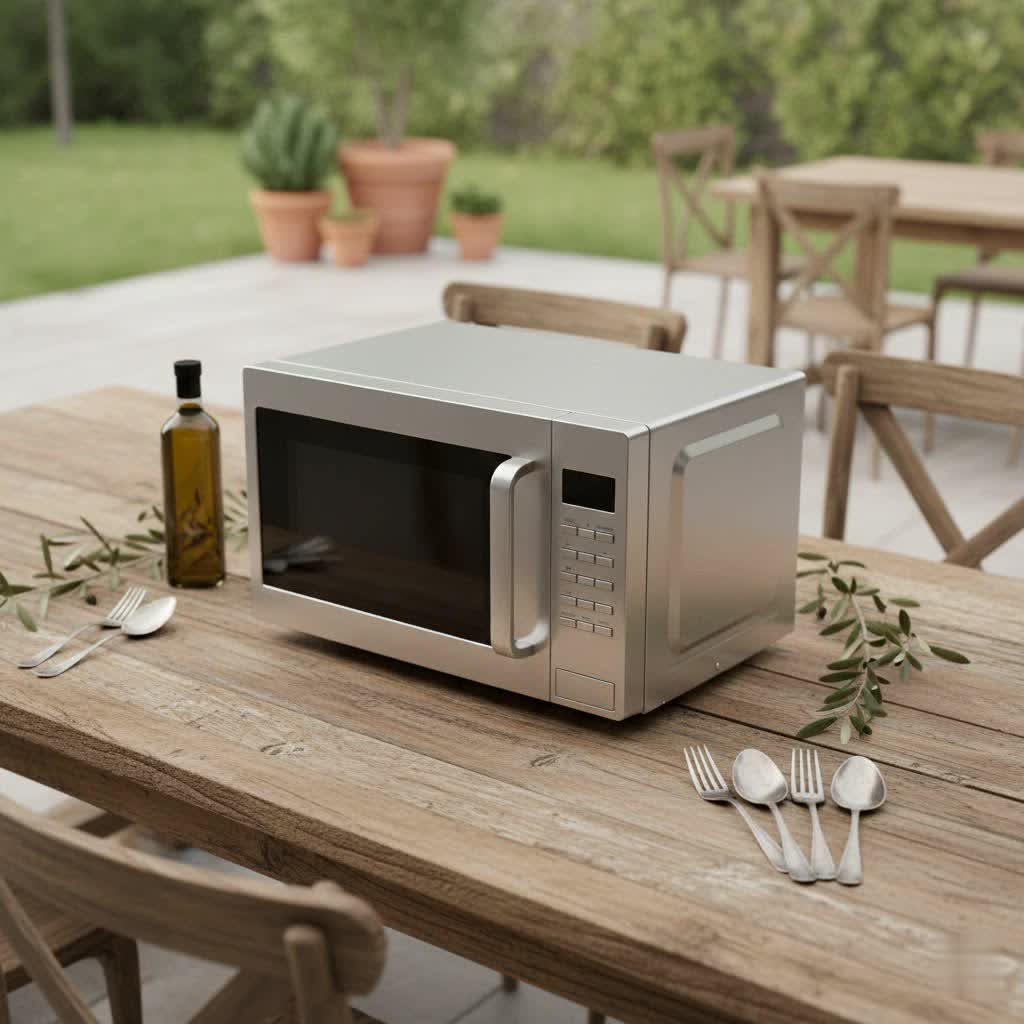
What is a GE Spacemaker Microwave Oven? The Concept and Core Principles
A GE Spacemaker Microwave Oven is a type of over-the-range (OTR) microwave specifically engineered to be installed above your kitchen range, often replacing a traditional range hood. Its primary purpose is to save precious counter space while providing microwave cooking capabilities and typically including an integrated ventilation system to clear smoke and odors from your stovetop. The fundamental operation relies on microwave technology, generating electromagnetic waves that agitate water molecules within food, causing them to heat up rapidly and efficiently. The GE Spacemaker line has a rich history, evolving over decades to offer increasingly advanced features and more streamlined designs, becoming a staple in many modern kitchens where maximizing space is key.
Understanding the Different Types of GE Spacemaker Microwave Ovens
GE Spacemaker microwaves, while sharing a common over-the-range design, come with various features and technologies tailored to different user needs and preferences.
By Functionality:
- Basic Spacemaker Microwaves: These models focus on essential microwave functions such as reheating, defrosting, and simple cooking tasks. They are ideal for users who need reliable, straightforward microwave performance without extra bells and whistles.
- Spacemaker with Convection: For those who desire more versatility, some GE Spacemaker models incorporate convection cooking. This feature allows the microwave to double as a secondary oven, perfect for baking, roasting, or browning dishes with even, circulating heat. This is a significant upgrade for serious home cooks.
- Sensor Cooking Spacemakers: Many contemporary Spacemaker models include sensor cooking technology. These microwaves automatically adjust cooking time and power levels based on the food’s moisture and humidity, ensuring perfectly cooked results without guesswork.
|
Our Picks for the Best Microwave Oven in 2026
As an Amazon Associate I earn from qualifying purchases.
|
||
| Num | Product | Action |
|---|---|---|
| 1 | TOSHIBA ML-EM09PA(BS) Small Microwave Oven with 6 Auto Menus, Mute Function & Child Lock, LED Lighting, Perfect for Apartment, 0.9 Cu Ft, 10.6 Inch Removable Turntable, 900W, Black Stainless Steel |

|
| 2 | TOSHIBA EM131A5C-BS Countertop Microwave Ovens 1.2 Cu Ft, 12.4" Removable Turntable Smart Humidity Sensor 12 Auto Menus Mute Function ECO Mode Easy Clean Interior Black Color 1000W |
|
| 3 | Farberware 1.1 Cu. Ft. Countertop Microwave Oven – 1000 Watt Power, Auto Cook Settings, Defrost, Easy Clean and Child Safety Lock - Stainless |
|
| 4 | Chefman Countertop Microwave Oven 0.7 Cu. Ft., 700 Watts with 10 Power Levels, 6 Cooking Presets with One-Touch Express Cook, Eco Mode, Child Safety Lock, & Mute Button - Black |
|
| 5 | TOSHIBA EM131A5C-SS Countertop Microwave Ovens 1.2 Cu Ft with 12.4" Removable Turntable Smart Humidity Sensor, 12 Auto Menus Mute Function ECO Mode Easy Clean Interior, 1000W, Silver |
|
| 6 | Farberware 1.1 Cu. Ft. Countertop Microwave Oven – 1000 Watts Power, Auto Cook Settings, Defrost, Easy Clean and Child Safety Lock - Stainless and Black |
|
| 7 | Nostalgia Retro Compact Countertop Microwave Oven, 0.7 Cu. Ft. 700-Watts with LED Digital Display, Child Lock, Easy Clean Interior, Aqua |
|
| 8 | Beautiful 1.1 Cu Ft 1000W Sensor Microwave Oven – Compact Countertop with Smart Sensor Cooking, 10 Power Levels & Easy Clean Interior – Perfect for Quick Meals, Office & Holiday Hosting |
|
| 9 | BLACK+DECKER EM720CB7 Digital Microwave Oven with Turntable Push-Button Door, Child Safety Lock, 700W, Stainless Steel, 0.7 Cu.ft |
|
| 10 | Farberware 1.1 Cu. Ft. Countertop Microwave Oven – 1000 Watts Power, Auto Cook Settings, Defrost, Easy Clean and Child Safety Lock - Stainless |
|
By Installation & Technology:
- Standard Over-the-Range: All GE Spacemaker microwaves fall under the over-the-range category, meaning they are designed for permanent installation above a cooktop. They typically vent either to the outside, recirculate air through a filter, or can be configured for both.
- Inverter Technology Spacemakers: Newer GE Spacemaker models may feature inverter technology. Unlike traditional microwaves that cycle power on and off to simulate lower power levels, inverter technology delivers a continuous stream of consistent power. This results in more even cooking, better defrosting, and often more precise control, leading to superior culinary outcomes and energy efficiency.
Choosing the right type depends on your cooking habits, the variety of dishes you prepare, and your budget. A basic model serves well for quick reheating, while a convection-enabled Spacemaker offers expanded cooking possibilities.
How to Choose the Perfect GE Spacemaker Microwave Oven for Your Home
Selecting the ideal GE Spacemaker microwave involves considering several factors to ensure it meets your family’s needs, fits your kitchen’s aesthetics, and provides the functionality you desire.
Determine Your Usage Needs and Family Size
Begin by assessing how often you use a microwave and for what purposes. A small family of 1-2 people who primarily reheat leftovers might be fine with a compact model (around 1.6 cu. ft.). Larger families (3-4 people) or those who cook more frequently will benefit from a medium-capacity unit (1.7-1.9 cu. ft.). If you often cook larger dishes or want to use the microwave for main meals, a larger capacity (2.0 cu. ft. or more) is preferable. Consider if you need advanced features like sensor cooking or convection for more diverse meal preparation.
Choose the Right Capacity
- Small (1.6 – 1.7 cu. ft.): Ideal for individuals or couples with minimal microwave usage, mainly for reheating single servings or small items.
- Medium (1.7 – 1.9 cu. ft.): Suitable for average families who use the microwave regularly for a variety of tasks, including cooking vegetables, defrosting, and heating family-sized portions.
- Large (2.0 cu. ft. and above): Best for large families, frequent entertainers, or those who prepare full meals in the microwave, offering ample space for casserole dishes and larger plates.
Evaluate Power Output (Wattage)
Microwave power, measured in watts, directly impacts cooking speed and efficiency.
- Lower Power (700-900W): Sufficient for basic reheating and defrosting.
- Standard Power (900-1000W): Most common and versatile, good for general cooking, heating, and defrosting.
- Higher Power (1000W+): Provides faster cooking times and more even results, especially beneficial for larger meals or more intensive cooking.
Essential and Convenient Features to Look For
- Ventilation System: Since it’s an OTR unit, check the fan’s CFM (Cubic Feet per Minute) rating. Higher CFM means better smoke and odor removal. Also, confirm whether it vents outside or recirculates, and if it has multiple fan speeds.
- Sensor Cooking: Automatically adjusts cooking time for optimal results.
- Defrost Settings: Specific programs for weight or time defrosting.
- Child Lock: Prevents accidental use, a crucial safety feature.
- Pre-programmed Settings: One-touch buttons for popular items like popcorn, beverages, or potatoes.
- Add 30 Seconds Button: A convenient feature for quick reheating boosts.
- Control Panel: Choose between easy-to-use dial controls or sleek, modern digital touchpads.
- Turntable: Ensure it’s removable for easy cleaning and adequately sized for your dishes.
- Surface Light: Illuminates your cooktop below the microwave.
- Inverter Technology: For more even cooking and precise power control.
Consider Reputable Brands and User Reviews
GE is a well-established brand known for its reliability in home appliances. When choosing a specific GE Spacemaker model, it’s highly beneficial to read user reviews from various retailers and appliance websites. These reviews offer real-world insights into performance, durability, and any potential issues. Pay attention to comments regarding fan noise, ease of cleaning, and the accuracy of cooking functions.
Final Check Before Purchase
Before finalizing your purchase, verify the dimensions of the microwave to ensure it will fit perfectly in your allocated space above the range. Check for any included installation kits or requirements for professional installation. Confirm the warranty details and understand the return policy. Taking these steps will ensure you bring home a GE Spacemaker that perfectly complements your kitchen and cooking style.
Top GE Spacemaker Microwave Oven Models for Every Kitchen
GE offers a range of Spacemaker models, each with distinct features to cater to diverse needs and budgets. Here’s a look at some popular options, highlighting their unique selling points:
GE JVM3160RFSS 1.6 Cu. Ft. Over-the-Range Microwave
- Overview: This model is a classic entry-point into the Spacemaker line, offering reliable performance for everyday tasks. It’s a great choice for those seeking basic functionality without compromising on quality.
- Key Features: 1000 watts of cooking power, 1.6 cu. ft. capacity, two-speed 300-CFM venting system, convenient auto and time defrost.
- Pros: Affordable, straightforward to use, dependable performance, space-saving design.
- Cons: Lacks advanced features like sensor cooking or convection, simpler aesthetic.
- Best for: Budget-conscious buyers or those who primarily use a microwave for reheating and basic cooking.
GE JES1097SMSS 1.7 Cu. Ft. Over-the-Range Microwave with Sensor Cooking
- Overview: A step up, this model introduces sensor cooking technology, taking the guesswork out of meal preparation. It’s a popular choice for families looking for enhanced convenience.
- Key Features: 1000 watts, 1.7 cu. ft. capacity, sensor cooking controls, 300-CFM venting with two speeds, turntable.
- Pros: Sensor cooking provides consistent results, good balance of features and price, sleek appearance.
- Cons: Not a convection model, fan can be a bit loud on high settings.
- Best for: Medium-sized families or individuals who appreciate automated cooking assistance and efficient performance.
GE Profile PVM9005SJSS 2.1 Cu. Ft. Over-the-Range Sensor Microwave
- Overview: Part of GE’s premium Profile series, this Spacemaker offers a larger capacity and more advanced features, catering to more demanding users.
- Key Features: 1050 watts, 2.1 cu. ft. capacity, chef connect, sensor cooking, four-speed 400-CFM venting with boost, incandescent cooktop lighting.
- Pros: High power, spacious interior, excellent ventilation, smart features (Chef Connect for syncing with range), stylish design.
- Cons: Higher price point, might be too large for very small kitchens.
- Best for: Larger families, frequent cooks, or those seeking a high-end appliance with smart integration and robust performance.
GE PVM9179SKSS 1.7 Cu. Ft. Over-the-Range Microwave with Advantium Technology (Speedcook)
- Overview: While often marketed separately due to its unique “Speedcook” functionality, some Advantium models can be found in a Spacemaker configuration. Advantium technology uses halogen light in addition to microwaves to cook food up to eight times faster than a conventional oven, offering baking, roasting, toasting, and microwaving in one unit.
- Key Features: 1.7 cu. ft., Speedcook (Advantium) technology, sensor cooking, multiple cooking modes (microwave, oven, proof, warm), powerful ventilation.
- Pros: Unparalleled cooking versatility and speed, exceptional performance across various cooking methods, premium build.
- Cons: Significantly higher cost, steeper learning curve, smaller capacity compared to traditional microwaves.
- Best for: Culinary enthusiasts, busy professionals, or anyone who wants a high-performance multi-functional appliance that genuinely speeds up cooking without sacrificing quality.
When reviewing models, consider the aesthetics as well, ensuring the finish (stainless steel, black, white) complements your existing kitchen appliances.
Mastering Your GE Spacemaker Microwave: Usage and Maintenance Tips
To get the most out of your GE Spacemaker Microwave Oven and ensure its longevity, proper usage and regular maintenance are essential.
How to Use Common Functions Effectively
- Reheating: For optimal results, cover food with a microwave-safe lid or plastic wrap, leaving a small vent. Stir halfway through for even heating.
- Defrosting: Use the auto-defrost feature by entering the food’s weight. Break apart defrosted pieces as they become pliable and turn larger items halfway through.
- Sensor Cooking: Simply select the food type (e.g., potato, popcorn, fresh vegetable). The microwave’s sensors will detect steam levels and adjust cooking time automatically, preventing over or undercooking. Avoid opening the door during sensor cooking cycles.
- Convection (if applicable): Follow recipe instructions for temperature and time, just like a conventional oven. Use microwave-safe, oven-safe bakeware.
- Vent Fan: Always turn on the vent fan when cooking on the stovetop, especially when frying or searing, to effectively remove smoke and odors. Use higher speeds for more intense cooking.
- Cooktop Light: Utilize the integrated light to illuminate your cooking surface, which often has bright and night light settings.
Cleaning and Care for Your Microwave
Regular cleaning not only keeps your microwave hygienic but also helps maintain its efficiency.
- Interior: Wipe down the interior with a damp cloth and mild detergent after each use to prevent food splatters from hardening. For stubborn grime, place a microwave-safe bowl with a cup of water and a few lemon slices inside, microwave for 3-5 minutes until steaming, then let it sit for 5 minutes. The steam will loosen residue, making it easy to wipe away.
- Exterior: Clean the exterior with a soft cloth and mild all-purpose cleaner. Avoid abrasive cleaners that can scratch the finish.
- Turntable: Remove the glass turntable and wash it with warm, soapy water or place it in the dishwasher.
- Vent Filters: For recirculating models, remove and clean the charcoal filter (usually not washable, replace as needed) and grease filters (washable). Consult your manual for specific instructions on filter cleaning and replacement frequency. Most grease filters can be washed by hand or in a dishwasher.
Important Safety Precautions
- Never Microwave Metal: Metal objects can cause arcing and damage the microwave or even start a fire.
- Avoid Overheating Liquids: Superheated liquids can violently erupt when disturbed. Stir liquids before and after heating, and use non-metallic utensils.
- Don’t Cook Undisturbed Eggs in Shells: They can explode due to steam buildup.
- Check Cookware: Ensure all dishes and containers are labeled “microwave-safe.”
- Keep Door Seals Clean: A dirty or damaged door seal can lead to microwave leakage.
- Never Operate Empty: Running the microwave without food can damage the magnetron.
- Children Safety: Always activate the child lock feature when the microwave is not in use, and supervise children when they are using the appliance.
- Professional Repair: If you suspect any malfunction, especially concerning the door or power issues, always call a qualified service technician. Do not attempt DIY repairs.
By following these guidelines, your GE Spacemaker Microwave Oven will continue to serve your kitchen efficiently and safely for years to come.
Common GE Spacemaker Microwave Issues and Simple Troubleshooting
Even with robust design, GE Spacemaker microwaves can occasionally encounter issues. Many common problems have simple solutions you can try before calling a technician.
Microwave Not Heating Food
- Check Power: Ensure the microwave is properly plugged in and the circuit breaker hasn’t tripped.
- Door Latch: Make sure the door is securely closed. The microwave will not operate if the door interlock switch isn’t engaged.
- Settings: Verify that the correct cooking time and power level have been selected.
- Test with Water: Place a cup of water in the microwave and run it for one minute. If the water doesn’t heat up, there might be an internal component failure (e.g., magnetron), which requires professional repair.
Turntable Not Rotating
- Placement: Ensure the turntable is correctly seated on its support ring and the drive coupler below it.
- Obstruction: Check for any food debris or obstructions blocking the turntable’s movement. Clean the rollers and the area underneath.
- Motor Failure: If these steps don’t work, the turntable motor might be faulty, requiring replacement by a service professional.
Fan Not Working or Very Loud
- Fan Speed: Check if the fan speed setting is on.
- Filter Clog: A clogged grease filter can restrict airflow and cause the fan to work harder and louder. Clean or replace filters as per your manual.
- Obstruction: Listen for any rattling sounds that might indicate an object or wire is hitting the fan blades.
- Motor Issue: If the fan makes unusual grinding noises or doesn’t operate at all, the fan motor may need to be inspected or replaced by a technician.
Sparks or Arcing Inside the Microwave
- Metal Objects: Immediately stop the microwave and remove any metal items, including foil, metal-trimmed dishes, or twist ties.
- Damaged Components: Check for damage to the waveguide cover (a small mica sheet inside). If it’s burned or damaged, it needs to be replaced.
- Dirty Interior: Food residue can sometimes cause arcing. Thoroughly clean the microwave interior.
- Always call a professional for persistent arcing.
Microwave Light Not Working
- Bulb Replacement: The interior or cooktop light bulb might be burnt out and simply needs replacement. Refer to your owner’s manual for specific instructions on how to access and change the bulb safely.
When to Call a Professional Service Technician
While simple troubleshooting can resolve many issues, certain problems warrant professional attention:
- Microwave not heating at all after checking basic power and door issues.
- Persistent arcing or sparking even after removing metal and cleaning.
- Foul burning smell or smoke.
- Door seal damage or issues with the door not closing properly.
- Error codes that cannot be resolved through basic resets.
Never attempt to open the microwave’s outer casing or tamper with internal components, as high-voltage capacitors can retain a dangerous charge even when unplugged. Safety should always be your top priority.
Conclusion
The GE Spacemaker Microwave Oven is an invaluable appliance for modern kitchens, perfectly blending space-saving design with robust cooking capabilities. Whether you need a basic model for quick reheating or a sophisticated unit with convection and sensor cooking, there’s a Spacemaker designed to fit your lifestyle. By understanding the different types, carefully considering your needs, and adhering to proper usage and maintenance, you can ensure your GE Spacemaker microwave oven provides reliable, efficient performance for years to come. Investing in a GE Spacemaker means investing in convenience, versatility, and a more organized kitchen. Which GE Spacemaker feature do you think would be most beneficial for your daily cooking routine?
Frequently Asked Questions
What does “Spacemaker” mean for a GE microwave?
“Spacemaker” refers to GE’s line of over-the-range (OTR) microwaves that are designed to be installed above your kitchen range, freeing up valuable counter space. These models typically include an integrated ventilation system to clear smoke and odors from your stovetop.
Can all GE Spacemaker microwaves be vented outside?
Most GE Spacemaker microwaves offer flexible venting options, allowing them to be vented to the outside or recirculated internally through a filter. It’s crucial to check the specifications for your particular model and consult your installation manual to confirm the available venting configurations.
What is the average lifespan of a GE Spacemaker Microwave Oven?
With proper care and maintenance, a GE Spacemaker Microwave Oven typically lasts between 7 to 10 years. Factors like usage frequency, cleaning habits, and the specific model’s build quality can influence its overall lifespan.
Are GE Spacemaker microwaves hard to install?
While not overly complex for experienced DIYers, installing a GE Spacemaker microwave involves electrical wiring, mounting hardware, and potentially adapting your kitchen’s venting system. Many homeowners opt for professional installation to ensure it’s done correctly and safely.
Can I replace my GE Spacemaker microwave with any other brand’s over-the-range model?
You can generally replace a GE Spacemaker with another brand’s over-the-range microwave, but you must ensure the new unit’s dimensions, mounting bracket, and venting requirements are compatible with your existing setup. Measure your space carefully and check product specifications.
