Considering a new microwave oven? The GE over-the-range microwave is a popular choice for many homeowners, offering a versatile blend of cooking power and space-saving design. This comprehensive guide will help you understand everything from their fundamental operation to selecting the perfect model to meet your culinary demands and integrate seamlessly into your kitchen. We’ll explore the various features, compare top models, and provide essential tips for maintenance and troubleshooting, ensuring you make an informed decision for years of convenient cooking.
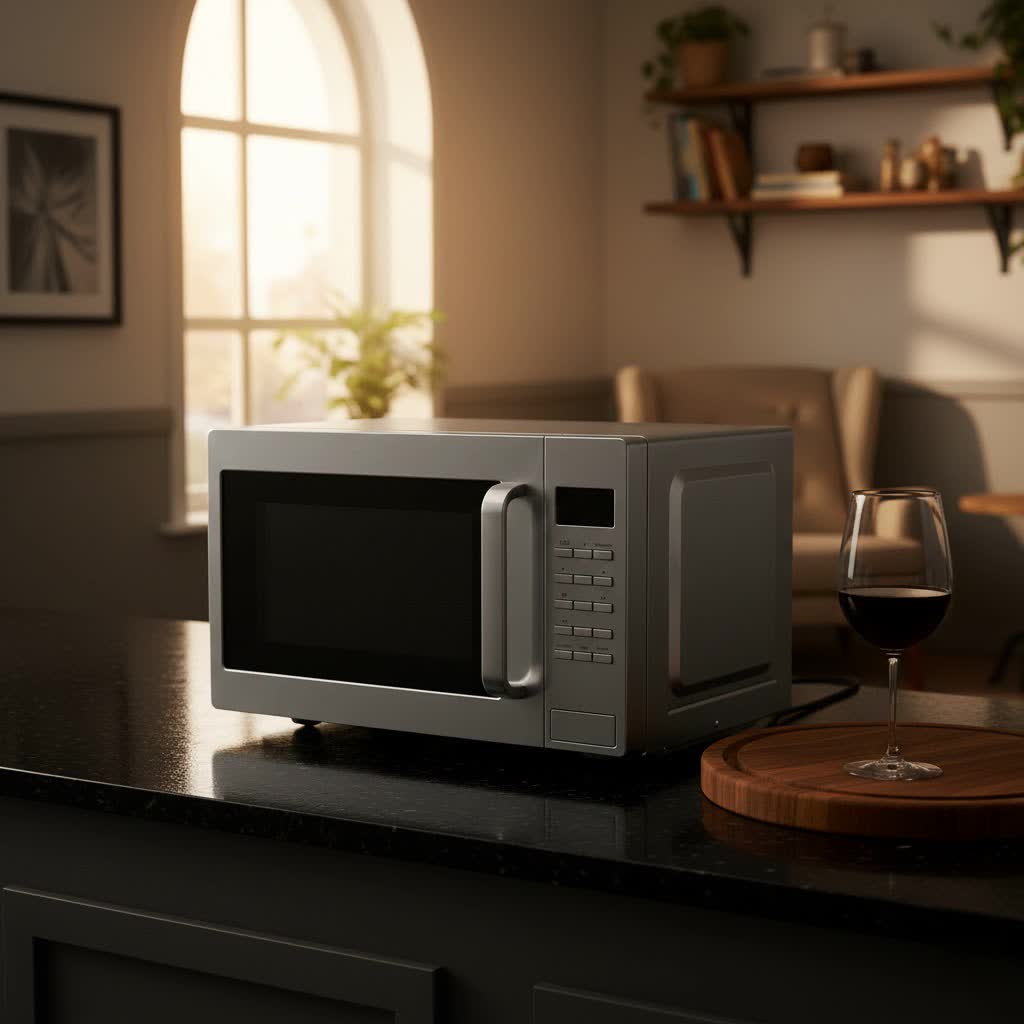
What is a GE Over-the-Range Microwave Oven?
A GE over-the-range (OTR) microwave oven is a specialized kitchen appliance designed to be installed above your cooking range or cooktop, serving a dual purpose. Beyond its primary function as a microwave for reheating, defrosting, and cooking, it also integrates a ventilation system to capture smoke, steam, and cooking odors from the stovetop below. This innovative design frees up valuable counter space, making it an excellent solution for kitchens of all sizes, particularly those where space is at a premium. The core principle involves magnetron tubes generating microwaves that excite water molecules in food, causing them to heat rapidly and efficiently.
Types of GE Over-the-Range Microwave Ovens
GE offers a diverse range of over-the-range microwave ovens, each tailored to different cooking needs and preferences. Understanding these classifications can help narrow down your choice to a model that perfectly complements your kitchen activities.
-
By Function:
- Standard OTR Microwave Ovens: These are the most common type, primarily designed for basic tasks such as reheating leftovers, defrosting frozen foods, and cooking simple meals. They offer multiple power levels and preset options for convenience.
- Convection OTR Microwave Ovens: For those who desire more versatility, GE convection OTR models combine the speed of microwave cooking with the browning and crisping capabilities of a convection oven. This allows for baking, roasting, and even air frying, expanding your cooking repertoire significantly without requiring an additional appliance.
- Sensor Cooking OTR Microwave Ovens: These models feature advanced humidity sensors that detect the amount of steam produced by food as it cooks. The microwave automatically adjusts cooking time and power levels for optimal results, preventing over or under-cooking and making meal preparation virtually foolproof.
-
By Series/Technology:
- Standard GE Series: These models provide reliable performance and essential features at a more accessible price point. They are built for everyday use, focusing on durability and straightforward operation.
- GE Profile Series: Stepping up in design and functionality, the GE Profile series offers premium features, sleek aesthetics, and often more advanced technologies. These models typically boast higher power, more sophisticated sensor cooking, larger capacities, and refined finishes to elevate your kitchen’s style.
- Inverter Technology OTRs: GE incorporates inverter technology in some of its models, which allows for a continuous, consistent power flow. Unlike traditional microwaves that cycle power on and off, inverter technology delivers precise heat, resulting in more evenly cooked food, better texture, and faster defrosting without cooking the edges.
Comparing Popular GE OTR Microwave Oven Features
Choosing between GE over-the-range microwave models can be simplified by comparing their key features. The table below highlights critical aspects that differentiate various GE OTR options, helping you match a model to your specific requirements.
| Feature | Standard GE OTR | GE Profile OTR (often with Convection) |
|---|---|---|
| Capacity | Typically 1.7 – 1.9 cu. ft. | Often 1.9 – 2.1 cu. ft. |
| Wattage | 950 – 1000W | 950 – 1100W |
| Ventilation (CFM) | 220 – 300 CFM (2-3 speeds) | 300 – 400 CFM (3-4 speeds, boost option) |
| Cooking Modes | Reheat, Defrost, Popcorn, Beverage, Sensor Cook | Reheat, Defrost, Popcorn, Sensor Cook, Convection Bake, Roast, Air Fry, Steam Cook |
| Interior Finish | Standard enamel or non-stick | Easy-clean non-stick, often with steam clean function |
| Lighting | Incandescent cooktop light | LED cooktop light, brighter, more efficient |
| Special Features | Turntable on/off, child lock | WiFi Connect, Chef Connect, Adjustable turntable, Smart Sensor, Inverter Technology |
| Design | Functional, various finishes (stainless, black) | Sleeker, premium finishes (fingerprint-resistant stainless), hidden vents |
| Price Range | Mid-range | Higher-end |
GE’s Profile series, for instance, often integrates advanced sensor cooking and convection capabilities, allowing for more versatile cooking methods than standard models. The higher CFM in Profile series ventilation systems also offers superior smoke and odor extraction, crucial for avid cooks.
How to Choose the Right GE Over-the-Range Microwave Oven
Selecting the perfect GE over-the-range microwave oven involves more than just picking the first model you see. It requires a thoughtful assessment of your specific needs, kitchen layout, and desired functionalities.
-
Assess Your Needs:
- Household Size and Cooking Habits: A smaller household or one that primarily uses a microwave for reheating may suffice with a standard model. Larger families or those who frequently cook from scratch might benefit from a larger capacity and advanced features like convection.
- Desired Cooking Functions: Do you only need to reheat and defrost, or do you envision baking cakes, roasting chicken, or steaming vegetables in your microwave? Convection or steam cook options will be crucial for expanded culinary tasks.
- Kitchen Layout and Available Space: Measure the width and height of the space above your range carefully. While OTRs are generally standardized in width (30 inches), check depth and height clearances to ensure a proper fit and adequate space above your cooktop for tall pots.
-
Consider Capacity and Wattage:
- Capacity: GE OTR microwaves typically range from 1.7 to 2.1 cubic feet. A 1.7-1.9 cu. ft. model is suitable for most single individuals or couples, while a 2.0-2.1 cu. ft. model offers ample space for larger dishes and family-sized meals.
- Wattage: Most GE OTR models operate between 950 and 1000 watts. Higher wattage generally translates to faster and more efficient cooking. For consistent and powerful heating, aiming for 1000 watts is a good benchmark.
-
Ventilation Power (CFM):
- The exhaust fan’s power is measured in Cubic Feet per Minute (CFM). GE OTRs typically offer 220-400 CFM with multiple fan speeds. For heavy-duty cooking, such as frying or searing, a higher CFM (300+ CFM) is recommended to effectively remove smoke and odors.
- You’ll also need to consider whether you require a ducted (vented outside) or recirculating (filtered and returned to the kitchen) system. Ducted systems are more effective but require external venting. Recirculating systems are easier to install but charcoal filters need regular replacement.
-
Key Features and Smart Technology:
- Sensor Cooking: A highly convenient feature, sensor cooking automatically adjusts cooking time and power based on moisture levels, ensuring perfectly cooked food without guesswork.
- Easy-Clean Interiors: Look for features like non-stick coatings or steam clean functions (e.g., GE’s Easy Clean system) that simplify spills and splatters cleanup.
- Lighting: Many models offer bright LED cooktop lighting, which is more energy-efficient and durable than traditional incandescent bulbs, illuminating your cooking surface effectively.
- Smart Features: Some GE Profile models come with WiFi Connect, allowing you to control and monitor your microwave remotely via an app, or Chef Connect, which can sync with compatible GE ranges to automatically turn on the fan and lights when cooking begins.
-
Budget and Brand Reputation:
- GE has a long-standing reputation for producing reliable kitchen appliances. While GE OTR microwaves come in various price points, consider the value of extended warranties or service plans.
- The GE Profile series, while a larger investment, often provides enhanced durability, advanced features, and a premium aesthetic that can add significant value to your kitchen.
-
Read User Reviews and Expert Opinions: Before making a final decision, always consult reviews from current users and appliance experts. These insights can provide valuable real-world perspectives on performance, ease of use, potential quirks, and overall satisfaction.
“When choosing an over-the-range microwave, don’t underestimate the importance of ventilation. A powerful fan with adequate CFM is just as crucial as cooking performance, especially if you frequently cook aromatic dishes or fry foods.” – Sarah Miller, Appliance Specialist at Kitchen Solutions.
Top-Rated GE Over-the-Range Microwave Models
GE offers a range of excellent over-the-range microwaves, each with distinct advantages. Here are a couple of highly-regarded models that showcase GE’s diverse offerings:
1. GE 1.7 Cu. Ft. Over-the-Range Microwave with Sensor Cooking (e.g., Model JVM6175YKFS)
This model is a solid choice for those seeking reliability and essential features without overspending.
- Features:
- 1.7 Cu. Ft. Capacity / 1000 Watts: Ample space for everyday meals with efficient heating power.
- Sensor Cooking Controls: Automatically adjusts cooking time and power for perfect results.
- Two-Speed, 300-CFM Venting System: Effectively removes smoke, steam, and odors from the cooktop below.
- LED Cooktop Lighting: Provides bright, long-lasting illumination for your cooking surface.
- Easy Clean Interior: Simplifies maintenance by making spills easy to wipe away.
- Pros: Excellent value, reliable performance, straightforward operation, effective ventilation.
- Cons: Basic aesthetics, no convection or advanced smart features.
- Best For: Individuals or small families looking for a dependable, no-frills over-the-range microwave with essential smart cooking capabilities.
2. GE Profile 2.1 Cu. Ft. Over-the-Range Sensor Microwave with Convection and WiFi Connect (e.g., Model PVM9005SJSS)
For the culinary enthusiast, this Profile series model combines superior performance with advanced cooking versatility.
- Features:
- 2.1 Cu. Ft. Capacity / 1050 Watts: Generous interior space and powerful cooking.
- Convection Cooking: Allows you to bake and roast dishes directly in the microwave, acting as a secondary oven.
- Sensor Cooking Controls: Precisely cooks food to perfection.
- Four-Speed, 400-CFM Venting with Boost: Provides powerful ventilation for even heavy cooking.
- WiFi Connect & Chef Connect: Remote control via smartphone and auto-sync with compatible GE ranges.
- Easy Clean Interior with Steam Clean Option: Advanced cleaning convenience.
- Pros: Highly versatile with convection, spacious, powerful ventilation, smart home integration, sleek design.
- Cons: Higher price point, may have a steeper learning curve for convection features.
- Best For: Larger families or those who frequently cook and want the flexibility of a convection oven combined with advanced microwave functions and smart connectivity.
Using and Maintaining Your GE Over-the-Range Microwave Oven
Proper use and regular maintenance are key to extending the life and ensuring the optimal performance of your GE over-the-range microwave.
-
Operating Tips:
- Read Your Manual: Always refer to your specific model’s instruction manual to understand all features, presets, and safety warnings.
- Use Sensor Cook: For best results with many foods, utilize the sensor cooking function. This takes the guesswork out of cooking times.
- Do Not Overfill: Avoid placing excessively large or tall items in the microwave that might prevent the turntable from rotating freely.
- Safety First: Never operate the microwave when empty, and do not use metal in the microwave unless specifically instructed by the manual for certain accessory racks.
-
Cleaning and Care:
- Interior Cleaning: Regularly wipe down the interior with a damp cloth and mild detergent. For stubborn stains, a mixture of lemon juice and water, microwaved for a few minutes, can loosen grime. Many GE models also offer an Easy Clean or Steam Clean function for effortless cleaning.
- Exterior Cleaning: Use a soft cloth and a gentle cleaner suitable for your microwave’s finish (e.g., stainless steel cleaner for stainless models) to keep the exterior sparkling.
- Filter Maintenance: Over-the-range microwaves have grease filters (usually metal mesh) and often charcoal filters (for recirculating models). Clean grease filters monthly (they are often dishwasher-safe) and replace charcoal filters every 6-12 months, depending on usage, to maintain effective ventilation.
- Check Vent Fan: Ensure the vent fan grates are free of grease buildup and obstructions to maintain airflow.
-
Installation Considerations: While this article focuses on buying and using, it’s worth noting that proper installation is vital. This typically involves mounting the unit securely to the wall and cabinet, ensuring adequate electrical supply, and correctly connecting the ventilation ductwork (or installing charcoal filters for recirculation). If unsure, professional installation is always recommended.
Common Issues with GE Over-the-Range Microwaves and Troubleshooting
Even reliable GE appliances can occasionally encounter issues. Here are some common problems and basic troubleshooting steps:
-
Microwave Not Heating Food:
- Check power: Ensure the microwave is plugged in and the circuit breaker hasn’t tripped.
- Door latch: Make sure the door is fully closed and latched. Most microwaves won’t operate if the door isn’t secure.
- Power level: Verify that the power level isn’t set too low.
- Solution: Reset the circuit breaker or unplug the unit for 30 seconds and plug it back in. If the issue persists, a faulty magnetron or door switch may require professional service.
-
Turntable Not Spinning:
- Check placement: Ensure the turntable plate is correctly seated on its support ring and coupler.
- Obstruction: Remove any food debris or spills underneath the turntable that might be blocking its movement.
- Solution: Realign the components. If the motor is faulty, it will require repair.
-
Ventilation Fan Not Working Efficiently/Loud Noise:
- Clean filters: Clogged grease or charcoal filters are a common cause of poor airflow or increased noise.
- Obstruction: Check the vent exhaust for any blockages (e.g., bird nests if vented outdoors).
- Fan speed: Ensure the fan is set to an appropriate speed for your cooking activity.
- Solution: Clean or replace filters. Clear any obstructions. If the motor itself is making excessive noise or not working, a service call may be needed.
-
Interior Light Failure:
- Bulb replacement: Most interior lights are replaceable by the user. Refer to your manual for instructions on how to access and change the bulb.
- Solution: Replace the bulb with the correct wattage and type specified in your manual.
-
Error Codes:
- GE microwaves may display specific error codes (e.g., “F3”). Consult your owner’s manual for the meaning of these codes and recommended troubleshooting steps.
- Solution: Follow the manual’s guidance. Often, a power cycle (unplugging for a minute) can clear temporary errors.
When to call for professional service: If basic troubleshooting doesn’t resolve the issue, or if you suspect a more serious electrical or component failure (e.g., burning smell, sparks, persistent error codes), it’s always best to contact a qualified GE appliance technician. Attempting complex repairs yourself can be dangerous and may void your warranty.
Conclusion
Choosing a GE over-the-range microwave oven is an excellent decision for enhancing both the functionality and aesthetics of your kitchen. From the reliable performance of standard models to the advanced features and versatility of the Profile series with convection cooking and smart technology, GE offers a solution for every home chef. By considering your specific cooking needs, understanding the various features, and committing to proper maintenance, you can ensure your investment provides years of convenient and efficient meal preparation. What culinary creations will you bring to life with your new GE over-the-range microwave?
Frequently Asked Questions
Is a GE over-the-range microwave worth it?
|
Our Picks for the Best Microwave Oven in 2026
As an Amazon Associate I earn from qualifying purchases.
|
||
| Num | Product | Action |
|---|---|---|
| 1 | TOSHIBA ML-EM09PA(BS) Small Microwave Oven with 6 Auto Menus, Mute Function & Child Lock, LED Lighting, Perfect for Apartment, 0.9 Cu Ft, 10.6 Inch Removable Turntable, 900W, Black Stainless Steel |

|
| 2 | Beautiful 1.1 Cu Ft 1000W Sensor Microwave Oven – Compact Countertop with Smart Sensor Cooking, 10 Power Levels & Easy Clean Interior – Perfect for Quick Meals, Office & Holiday Hosting |
|
| 3 | Farberware 1.1 Cu. Ft. Countertop Microwave Oven – 1000 Watts Power, Auto Cook Settings, Defrost, Easy Clean and Child Safety Lock - Stainless and Black |
|
| 4 | Farberware 1.1 Cu. Ft. Countertop Microwave Oven – 1000 Watt Power, Auto Cook Settings, Defrost, Easy Clean and Child Safety Lock - Stainless |
|
| 5 | TOSHIBA EM131A5C-BS Countertop Microwave Ovens 1.2 Cu Ft, 12.4" Removable Turntable Smart Humidity Sensor 12 Auto Menus Mute Function ECO Mode Easy Clean Interior Black Color 1000W |
|
| 6 | Chefman Countertop Microwave Oven 0.7 Cu. Ft., 700 Watts with 10 Power Levels, 6 Cooking Presets with One-Touch Express Cook, Eco Mode, Child Safety Lock, & Mute Button - Black |
|
| 7 | TOSHIBA EM131A5C-SS Countertop Microwave Ovens 1.2 Cu Ft with 12.4" Removable Turntable Smart Humidity Sensor, 12 Auto Menus Mute Function ECO Mode Easy Clean Interior, 1000W, Silver |
|
| 8 | BLACK+DECKER EM720CB7 Digital Microwave Oven with Turntable Push-Button Door, Child Safety Lock, 700W, Stainless Steel, 0.7 Cu.ft |
|
| 9 | Farberware 1.1 Cu. Ft. Countertop Microwave Oven – 1000 Watts Power, Auto Cook Settings, Defrost, Easy Clean and Child Safety Lock - Stainless |
|
| 10 | Nostalgia Retro Compact Countertop Microwave Oven, 0.7 Cu. Ft. 700-Watts with LED Digital Display, Child Lock, Easy Clean Interior, Aqua |
|
Yes, a GE over-the-range microwave is generally considered a worthwhile investment, especially for its space-saving design that combines a microwave and a ventilation hood. They offer reliable performance, diverse features from basic reheating to convection cooking, and are backed by a reputable brand. The convenience of freeing up counter space and integrating two essential appliances into one makes them a popular choice.
How long do GE over-the-range microwaves last?
GE over-the-range microwaves typically last between 7 to 10 years, which is consistent with the average lifespan of most microwaves. The longevity can be influenced by usage frequency, adherence to maintenance guidelines (like cleaning filters), and the specific model. Higher-end models, such as those in the GE Profile series, might sometimes offer extended durability due to more robust components.
Can I replace any over-the-range microwave with a GE model?
In most cases, yes, you can replace any standard 30-inch over-the-range microwave with a GE model of the same width. The mounting brackets and ventilation options are generally designed to be interchangeable across brands, though some minor adjustments or different drilling may be required. Always measure your existing space and review the installation instructions for the new GE model carefully.
What is sensor cooking in a GE microwave?
Sensor cooking in a GE microwave utilizes a built-in humidity sensor to detect the amount of steam released by food during cooking. Based on these readings, the microwave automatically adjusts the cooking time and power level without manual input. This ensures food is cooked perfectly, preventing under or over-cooking, and is particularly useful for dishes like baked potatoes, popcorn, or reheating leftovers.
How often should I clean the filters on my GE OTR microwave?
It is recommended to clean the grease filters on your GE over-the-range microwave approximately once a month, or more frequently if you do a lot of frying or heavy cooking. If your model uses charcoal filters for recirculation, these should typically be replaced every 6 to 12 months, as they cannot be cleaned and lose their effectiveness over time. Regular filter maintenance is crucial for optimal ventilation performance.
