The microwave oven has evolved from a simple reheating tool into a versatile kitchen essential, indispensable for busy households and culinary enthusiasts alike. More than just a convenience, modern microwaves offer a spectrum of functions, designs, and capacities to fit every lifestyle. If you’re navigating the options, from basic models to advanced convection units, and even considering a vibrant Blue Microwave Oven to add a splash of personality to your kitchen, this guide will illuminate the path to finding your perfect match. We’ll delve into how these appliances work, explore their diverse types, highlight key buying considerations, and provide tips for usage and maintenance, ensuring your choice perfectly complements your cooking needs and aesthetic preferences.
What is a Microwave Oven? Basic Principles of Operation
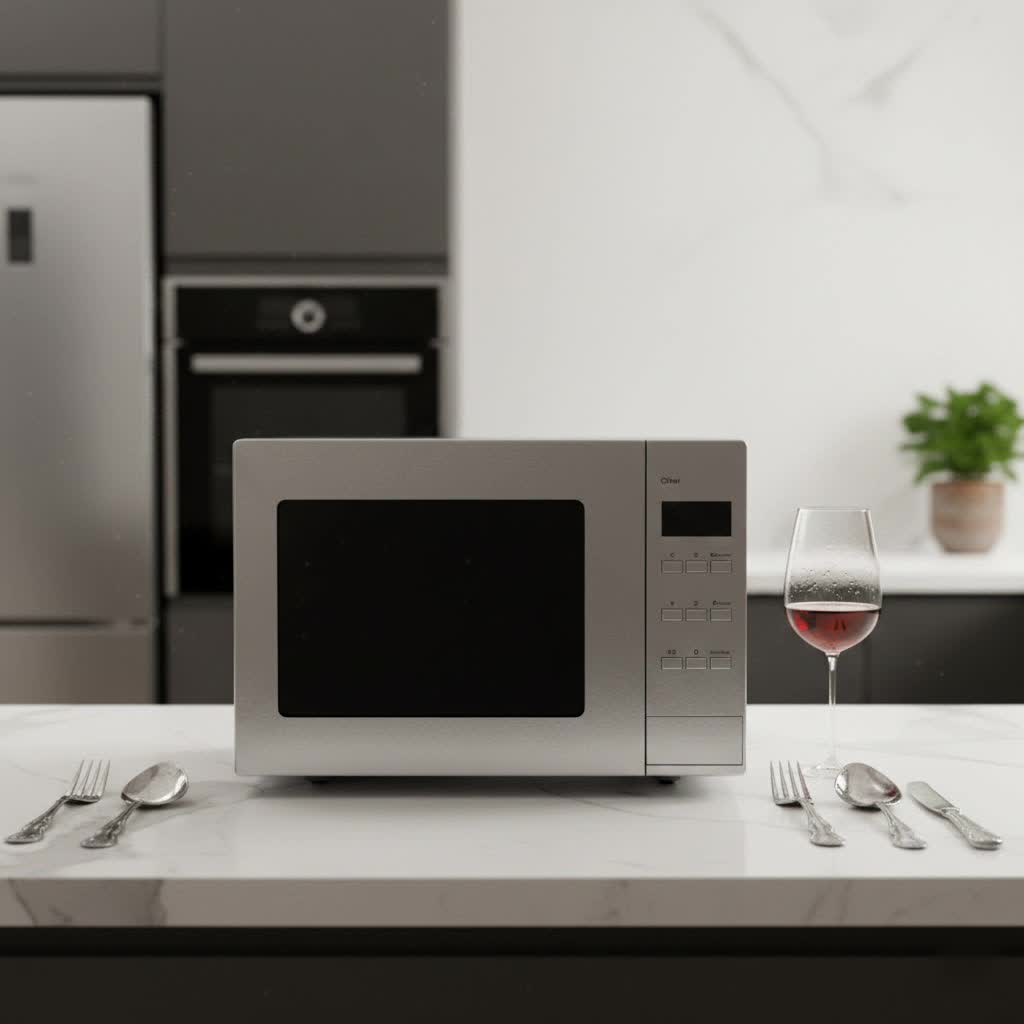
At its core, a microwave oven is an electric appliance designed to heat and cook food efficiently by exposing it to electromagnetic radiation within the microwave frequency range. This rapid heating process has made it a staple in kitchens worldwide for everything from defrosting ingredients to quickly warming up meals.
The magic behind a microwave oven lies in dielectric heating. Inside the appliance, a specialized vacuum tube called a magnetron generates microwaves, typically at a frequency of 2.45 gigahertz (GHz). These invisible waves are then channeled into the cooking chamber, where they bounce off the metallic interior walls. When these microwaves penetrate food, they interact primarily with polar molecules, such as water, fats, and sugars. These molecules possess a partial positive and negative charge, causing them to rapidly rotate and vibrate in response to the alternating electric field of the microwaves. This molecular friction generates thermal energy, heating the food from within. While it’s a common misconception that microwaves cook food “from the inside out,” the waves generally penetrate about 1 to 1.5 inches into most foods; thicker items are subsequently heated by conduction from the warmer outer layers. The development of the microwave oven originated from radar technology during World War II, revolutionizing home cooking when commercial models became available.
Types of Microwave Ovens Popular in the Market
The vast array of microwave ovens available today can be broadly categorized by their primary function, installation method, and underlying technology. Understanding these distinctions is key to selecting an appliance that aligns with your culinary habits.
By Function
- Solo Microwave Ovens: These are the most basic and affordable models, perfect for fundamental tasks like reheating leftovers, defrosting frozen foods, and simple cooking. They typically offer a straightforward set of controls and are ideal for users who need a no-frills, reliable appliance.
- Grill Microwave Ovens: Building on the solo microwave, these units incorporate a grilling element, often a quartz or ceramic heater. This allows them to brown, crisp, and toast food, providing a more versatile cooking experience for dishes like grilled sandwiches, kebabs, or crispy pizza.
- Convection Microwave Ovens: These advanced models function much like a traditional oven, using an additional heating element and a fan to circulate hot air throughout the cavity. This convection technology enables baking, roasting, and crisping, making them suitable for preparing cakes, cookies, roasted chicken, and more, offering a convenient secondary oven in a compact form.
- Combination Microwave Ovens: As the name suggests, these ovens combine multiple functions, most commonly microwave, grill, and convection capabilities. They provide the ultimate versatility for a wide range of cooking tasks, from rapid reheating to full-fledged baking and grilling, all in one appliance.
- Steam Microwave Ovens: Though less common, some microwaves incorporate steam cooking technology. These units use steam generated from a water reservoir to gently cook food, helping to retain nutrients, moisture, and natural flavors. They are ideal for steaming vegetables, fish, and other delicate foods.
|
Our Picks for the Best Microwave Oven in 2026
As an Amazon Associate I earn from qualifying purchases.
|
||
| Num | Product | Action |
|---|---|---|
| 1 | Chefman Countertop Microwave Oven 0.7 Cu. Ft., 700 Watts with 10 Power Levels, 6 Cooking Presets with One-Touch Express Cook, Eco Mode, Child Safety Lock, & Mute Button - Black |

|
| 2 | TOSHIBA EM131A5C-SS Countertop Microwave Ovens 1.2 Cu Ft with 12.4" Removable Turntable Smart Humidity Sensor, 12 Auto Menus Mute Function ECO Mode Easy Clean Interior, 1000W, Silver |
|
| 3 | BLACK+DECKER EM720CB7 Digital Microwave Oven with Turntable Push-Button Door, Child Safety Lock, 700W, Stainless Steel, 0.7 Cu.ft |
|
| 4 | Nostalgia Retro Compact Countertop Microwave Oven, 0.7 Cu. Ft. 700-Watts with LED Digital Display, Child Lock, Easy Clean Interior, Aqua |
|
| 5 | TOSHIBA EM131A5C-BS Countertop Microwave Ovens 1.2 Cu Ft, 12.4" Removable Turntable Smart Humidity Sensor 12 Auto Menus Mute Function ECO Mode Easy Clean Interior Black Color 1000W |
|
| 6 | Beautiful 1.1 Cu Ft 1000W Sensor Microwave Oven – Compact Countertop with Smart Sensor Cooking, 10 Power Levels & Easy Clean Interior – Perfect for Quick Meals, Office & Holiday Hosting |
|
| 7 | Farberware 1.1 Cu. Ft. Countertop Microwave Oven – 1000 Watt Power, Auto Cook Settings, Defrost, Easy Clean and Child Safety Lock - Stainless |
|
| 8 | Farberware 1.1 Cu. Ft. Countertop Microwave Oven – 1000 Watts Power, Auto Cook Settings, Defrost, Easy Clean and Child Safety Lock - Stainless and Black |
|
| 9 | Farberware 1.1 Cu. Ft. Countertop Microwave Oven – 1000 Watts Power, Auto Cook Settings, Defrost, Easy Clean and Child Safety Lock - Stainless |
|
| 10 | TOSHIBA ML-EM09PA(BS) Small Microwave Oven with 6 Auto Menus, Mute Function & Child Lock, LED Lighting, Perfect for Apartment, 0.9 Cu Ft, 10.6 Inch Removable Turntable, 900W, Black Stainless Steel |
|
By Installation
- Countertop Microwaves: The most common type, these standalone units simply sit on your kitchen counter. They are easy to install—just plug them in—and offer flexibility in placement, making them suitable for renters or those who prefer not to modify their cabinetry. They come in a wide range of sizes and power levels.
- Over-the-Range (OTR) Microwaves: Designed to be installed above your kitchen range, these microwaves save valuable counter space and often double as a range hood, providing ventilation and task lighting. They are a popular choice for integrating appliances and maintaining a streamlined kitchen aesthetic.
- Built-in Microwaves: For a seamless and custom look, built-in microwaves are installed directly into existing cabinetry or a wall niche. They often feature sleek designs and may include trim kits to create a polished, integrated appearance. Drawer microwaves, a type of built-in unit, pull out like a drawer, offering ergonomic access and a discreet profile.
By Technology
- Standard (Traditional) Microwaves: These models typically operate at full power or cycle between full power and off to achieve lower power settings, which can sometimes lead to uneven cooking.
- Inverter Microwaves: Inverter technology provides a continuous, consistent stream of microwave power at various levels, rather than cycling on and off. This results in more even heating, better defrosting, and more precise cooking, often leading to improved food texture and flavor, along with greater energy efficiency.
Comparison Table of Microwave Oven Types
| Feature / Type | Solo Microwave | Grill Microwave | Convection Microwave | Inverter Microwave |
|---|---|---|---|---|
| Primary Function | Reheating, Defrosting, Simple Cooking | Reheating, Defrosting, Grilling | Baking, Roasting, Grilling, Reheating | Precise, Even Reheating/Cooking/Defrost |
| Browning/Crisping | No | Yes | Yes | Yes (if combined with Grill/Convection) |
| Installation | Countertop (most common) | Countertop, OTR, Built-in | Countertop, OTR, Built-in | Countertop, OTR, Built-in |
| Power Control | Cycles on/off to reduce power | Cycles on/off to reduce power | Cycles on/off to reduce power | Continuous power output at all levels |
| Energy Efficiency | Moderate | Moderate | Moderate to High | High |
| Typical Price Range | Low | Mid | High | Mid to High |
| Pros | Affordable, simple to use | Adds crisping, versatile | All-in-one oven replacement | More even cooking, better defrosting |
| Cons | Limited cooking functions | Can be slower than a dedicated grill | Higher cost, larger footprint | Often higher cost than standard |
Note: Many modern microwaves, especially combination and higher-end models, incorporate inverter technology for enhanced performance.
Guide to Choosing the Right Microwave Oven
Selecting the ideal microwave oven involves balancing your practical needs with your budget and personal style. Consider these factors to make an informed decision:
Determine Your Usage Needs
Start by evaluating how you plan to use your microwave. Do you primarily need it for quick reheats and defrosting? Or are you looking for a versatile appliance that can bake, roast, and grill? Your primary purpose will guide you toward a solo, grill, or convection model.
- Family Size: For individuals or small households (1-2 people), a compact solo microwave might suffice. For families of 3-4, a mid-sized (1.0-1.5 cu. ft.) model is usually appropriate. Larger families or those who cook frequently may benefit from a larger (1.6 cu. ft. or more) convection or combination microwave.
- Frequency of Use: If you use it daily for multiple tasks, invest in a durable model with advanced features. For occasional use, a simpler, more affordable unit is perfect.
Choose the Right Capacity
Microwave capacity is measured in cubic feet (cu. ft.) or liters.
- Small (under 0.8 cu. ft. / 20 liters): Ideal for dorm rooms, small apartments, or single users for basic tasks like heating beverages or small plates.
- Medium (0.8 – 1.5 cu. ft. / 20-40 liters): A popular choice for most families, suitable for standard dinner plates and a wider range of cooking needs.
- Large (over 1.5 cu. ft. / 40 liters): Best for large families, entertaining, or those who frequently cook bigger dishes, especially in convection models.
Select Appropriate Power (Wattage)
Microwave power is measured in watts (W), typically ranging from 700W to 1200W. Higher wattage means faster and often more even cooking.
- Lower Wattage (under 800W): Sufficient for basic reheating and defrosting, but may take longer.
- Higher Wattage (800W and above): Recommended for more intensive cooking, faster results, and better performance, especially with convection or grill functions.
Look for Convenient Features
Modern microwaves come with a host of features designed to simplify cooking:
- Pre-set Programs: One-touch buttons for common foods like popcorn, pizza, or beverages.
- Defrost Functions: Auto defrost by weight or time.
- Sensor Cooking: Automatically adjusts cooking time and power based on the food’s moisture and humidity.
- Child Lock: Prevents accidental use by children.
- Turntable: Ensures even heating by rotating food. Look for models with an option to turn it off for larger, rectangular dishes.
- Quick Start Buttons: (e.g., +30 seconds) for instant heating.
- Easy-Clean Interior: Non-stick or ceramic enamel coatings make cleanup much easier.
- Inverter Technology: For consistent power delivery and more even cooking.
Choose a Reputable Brand
Established brands often offer better reliability, customer support, and warranty options. Popular and well-regarded microwave oven brands include Sharp, Panasonic, Electrolux, Samsung, and LG. Researching these brands can help ensure quality and peace of mind.
Consider Aesthetics and Style: The Blue Microwave Oven
Beyond functionality, the microwave oven is also a prominent kitchen appliance, and its appearance can significantly impact your kitchen’s overall design. This is where a blue microwave oven shines.
- Color as a Design Element: A blue microwave oven can serve as a captivating focal point in your kitchen, adding a vibrant pop of color against neutral cabinets or complementing a specific color scheme. From a deep navy for a sophisticated touch to a playful pastel blue for a retro feel, the right shade of blue can elevate your kitchen’s character.
- Retro Appeal: Many blue microwaves, like those from Galanz or Frigidaire, embrace a charming retro aesthetic, featuring chrome accents and classic dials. These models are particularly popular for adding a vintage flair to modern or eclectic kitchens.
- Modern Minimalism: While less common in bold colors, some contemporary designs might offer subtle blue accents or a sleek, dark blue finish that blends seamlessly with minimalist decor.
- Matching Appliances: If you’re coordinating appliances, consider whether a blue microwave will complement other items like a blue toaster or kettle for a cohesive look.
Inspect the Product and Read Reviews
Before purchasing, physically check the microwave if possible. Open and close the door, press the buttons, and assess the build quality. Crucially, always read user reviews to get real-world insights into a model’s performance, durability, and any potential quirks. Pay attention to comments regarding noise levels, ease of use, and heating consistency.
Top Most Popular Microwave Oven Models Today
The market for microwave ovens is diverse, with models catering to every budget and need. While specific “top” models fluctuate, certain categories consistently draw consumer interest. Compact and retro-styled microwaves, especially those in eye-catching colors, frequently rank high in popularity for their blend of functionality and aesthetic appeal.
Many consumers seek compact countertop microwaves that offer reliable performance without consuming excessive space. Brands like Toshiba, Panasonic, and Amazon Basics frequently offer well-regarded solo models in various capacities. For those prioritizing advanced cooking, convection microwave ovens from brands like Samsung, LG, and GE Profile are highly sought after, providing the versatility of a second oven. These models often feature inverter technology for more consistent cooking results and sophisticated pre-set programs.
However, when it comes to unique style, blue microwave ovens stand out. The Galanz Retro series is a prime example, offering a distinctive vintage look with its charming blue finish and chrome details. These models are often compact (around 0.7-0.9 cu. ft.) and focus on simple, intuitive controls, making them popular for small kitchens or as a design statement. Similarly, Frigidaire has offered blue countertop microwaves that blend modern performance with a touch of color, appealing to those who want both functionality and style. These blue units often receive praise for their ability to brighten a kitchen and add personality.
The demand for inverter technology microwaves is also growing due to their superior cooking consistency and energy efficiency. Panasonic’s Inverter series, for instance, is widely acclaimed for its even heating and precise power control. When exploring popular models, consider brands known for innovation and reliability, and always check for the features most important to your daily cooking routine.
How to Use and Maintain Your Microwave Oven Correctly
Proper usage and regular maintenance are crucial for ensuring your microwave oven operates efficiently, lasts longer, and remains safe for your household.
Proper Usage Guidelines
- Use Microwave-Safe Cookware: Always use dishes made of glass, ceramic, or plastic specifically labeled as microwave-safe. Avoid metal, aluminum foil, or any containers with metallic trim, as these can cause arcing and damage the oven.
- Distribute Food Evenly: Arrange food in a single layer for more uniform heating. If possible, stir or rotate food halfway through cooking to eliminate cold spots.
- Cover Food (Sometimes): Covering food helps retain moisture, prevents splattering, and can speed up cooking. Use microwave-safe lids, plastic wrap, or paper towels. Be sure to vent covers to allow steam to escape.
- Avoid Overfilling: Do not overcrowd the microwave. Cook food in batches if necessary to ensure proper heating.
- Don’t Run Empty: Operating an empty microwave can damage the magnetron and other components. Always have food or a cup of water inside when running it.
- Check for Doneness: Foods continue to cook for a short period after the microwave stops. Allow standing time for heat to distribute evenly.
Cleaning and Maintenance
Regular cleaning not only keeps your microwave looking good but also prevents food particles from affecting its performance and safety.
- Daily Wipe-Down: After each use, wipe down the interior and exterior with a damp cloth and mild detergent to remove spills and splatters. This prevents food from drying and hardening, making it easier to clean later.
- Deep Clean: For stubborn stains, place a microwave-safe bowl with a cup of water and a few lemon slices (or a tablespoon of white vinegar) inside. Heat on high for 5-10 minutes until the window is steamy. Let it sit for another 5 minutes, then carefully remove the bowl. The steam will loosen grime, allowing you to easily wipe away food residue with a clean cloth.
- Clean the Turntable: Remove the glass turntable and wash it in the sink or dishwasher. Clean the roller ring assembly beneath it as well.
- Door Seals: Keep the door seals clean to ensure a tight closure, which is essential for efficient operation and preventing microwave leakage.
- Ventilation: For over-the-range models, regularly clean or replace the grease filters to maintain proper ventilation.
Safety Tips
- Placement: Ensure countertop microwaves are placed on a flat, stable surface with adequate clearance around the vents for proper airflow.
- Door Latch: Never operate a microwave if the door does not close properly or if it appears damaged.
- Supervise Children: Always supervise children when they are using the microwave. The child lock feature can prevent accidental operation.
- No Sealed Containers: Do not heat sealed containers, whole eggs, or fresh fruit with skins intact, as they can build up pressure and explode. Pierce foods like potatoes before cooking.
Common Microwave Oven Problems and Solutions
Even reliable microwave ovens can encounter issues over time. Knowing how to identify common problems and perform basic troubleshooting can often save you a service call.
1. Microwave Not Heating Food
- Problem: The light is on, the turntable spins, but food remains cold.
- Likely Cause: A faulty magnetron (the component that generates microwaves), a defective high-voltage diode, or a blown fuse.
- Solution: For these internal component failures, it is highly recommended to call a professional technician. High-voltage components can be extremely dangerous to handle. Check if the door is fully latched, as a loose latch can prevent heating.
2. Turntable Not Spinning
- Problem: The turntable doesn’t rotate, leading to uneven heating.
- Likely Cause: A dirty or misaligned roller guide, a faulty turntable motor, or a broken drive coupler.
- Solution: First, ensure the turntable and roller ring are clean and correctly seated. Remove any debris. If the issue persists, the turntable motor may need replacement, which often requires professional service.
3. Emitting Strange Noises
- Problem: The microwave makes unusual buzzing, grinding, or loud humming sounds.
- Likely Cause: A loose or worn-out turntable motor, a faulty magnetron, or a defective high-voltage transformer.
- Solution: Check the turntable and roller ring for obstructions or misalignment. If the noise is internal and persistent, especially a loud hum, it could indicate a serious component failure (like the magnetron or transformer), which requires immediate professional attention.
4. Door Not Closing Properly
- Problem: The microwave door doesn’t latch securely or feels loose.
- Likely Cause: Damaged door latch, broken door springs, or a misaligned door.
- Solution: Inspect the door latch mechanism for visible damage or obstructions. A faulty door switch or latch can prevent the microwave from operating for safety reasons. Small adjustments might fix minor misalignment, but broken components usually require a technician.
5. Sparks or Arcing Inside
- Problem: You see sparks or hear crackling noises inside the microwave.
- Likely Cause: Metal objects (foil, metallic trim on dishes), damaged waveguide cover, food particles burnt onto the interior, or a worn-out magnetron.
- Solution: Immediately stop the microwave and unplug it. Remove any metal. Clean the interior thoroughly, paying attention to the waveguide cover (the small rectangular plate inside). If the waveguide cover is burnt or damaged, it needs to be replaced. If sparks continue after clearing all foreign objects and cleaning, a professional inspection is necessary.
When to Call a Professional
Attempting to repair a microwave oven yourself can be dangerous due to high-voltage capacitors that can store a lethal electrical charge even after the appliance is unplugged. Always contact a qualified technician for complex issues involving internal components, continuous sparking, or if the unit is completely dead. Safety should always be your top priority.
Conclusion
The microwave oven remains an indispensable appliance in the modern kitchen, offering convenience, speed, and increasing versatility. From understanding its fundamental heating principles to navigating the various types—solo, grill, convection, and inverter—you now have the knowledge to make an informed choice that best suits your lifestyle. When selecting your next microwave oven, consider not only its capacity, power, and features but also how its aesthetic, such as a chic blue microwave oven, can enhance your kitchen’s design. Regular maintenance and adherence to safety guidelines will ensure your appliance remains a reliable and valuable asset for years to come. By prioritizing your needs and appreciating the blend of form and function, you can confidently choose a microwave that simplifies your daily cooking and brightens your culinary space. What innovative dishes will you create with your perfect microwave oven?
Frequently Asked Questions
Are blue microwave ovens as effective as other colors?
Absolutely. The color of a microwave oven, whether blue, black, white, or stainless steel, is purely an aesthetic choice and has no impact on its cooking performance or effectiveness. The internal components, wattage, and features are what determine how well a microwave functions, regardless of its exterior hue.
What are the benefits of a retro blue microwave oven?
A retro blue microwave oven typically offers a unique blend of vintage charm and modern convenience. Its distinctive design can add a stylish pop of color and personality to your kitchen, making it a focal point. Many retro models are also compact, making them ideal for smaller spaces, and often feature simpler, more intuitive controls for easy operation.
How do I clean a microwave oven effectively?
For a quick clean, wipe the interior and exterior with a damp cloth and mild detergent after each use. For deeper cleaning, place a bowl with water and lemon slices or vinegar in the microwave, heat until steamy, then let it sit for 5 minutes. The steam will loosen grime, allowing for easy wipe-down with a clean cloth. Don’t forget to wash the turntable.
What size microwave is best for a small kitchen?
For a small kitchen or limited counter space, a compact countertop microwave, typically with a capacity under 0.8 cubic feet (20 liters), is ideal. These models are perfect for single users or small households needing basic reheating and defrosting capabilities without sacrificing too much valuable counter space.
What’s the main difference between a solo and a convection microwave?
A solo microwave is a basic model designed for simple reheating and defrosting using only microwave energy. A convection microwave, however, combines microwave cooking with a traditional oven’s heating elements and a fan, allowing it to bake, roast, and grill foods, providing much greater versatility than a solo model.
