In the fast-paced world of professional kitchens, every second counts. A reliable commercial microwave oven isn’t just a convenience; it’s a powerhouse that can significantly enhance speed, consistency, and overall operational efficiency. From bustling restaurants to busy cafes and institutional kitchens, choosing the right commercial microwave can revolutionize your food preparation workflows. But with a myriad of options available, understanding the nuances between models is key to finding the perfect fit for your establishment. Let’s delve into the world of commercial microwave ovens and discover how to select the ideal appliance for your demanding culinary environment.
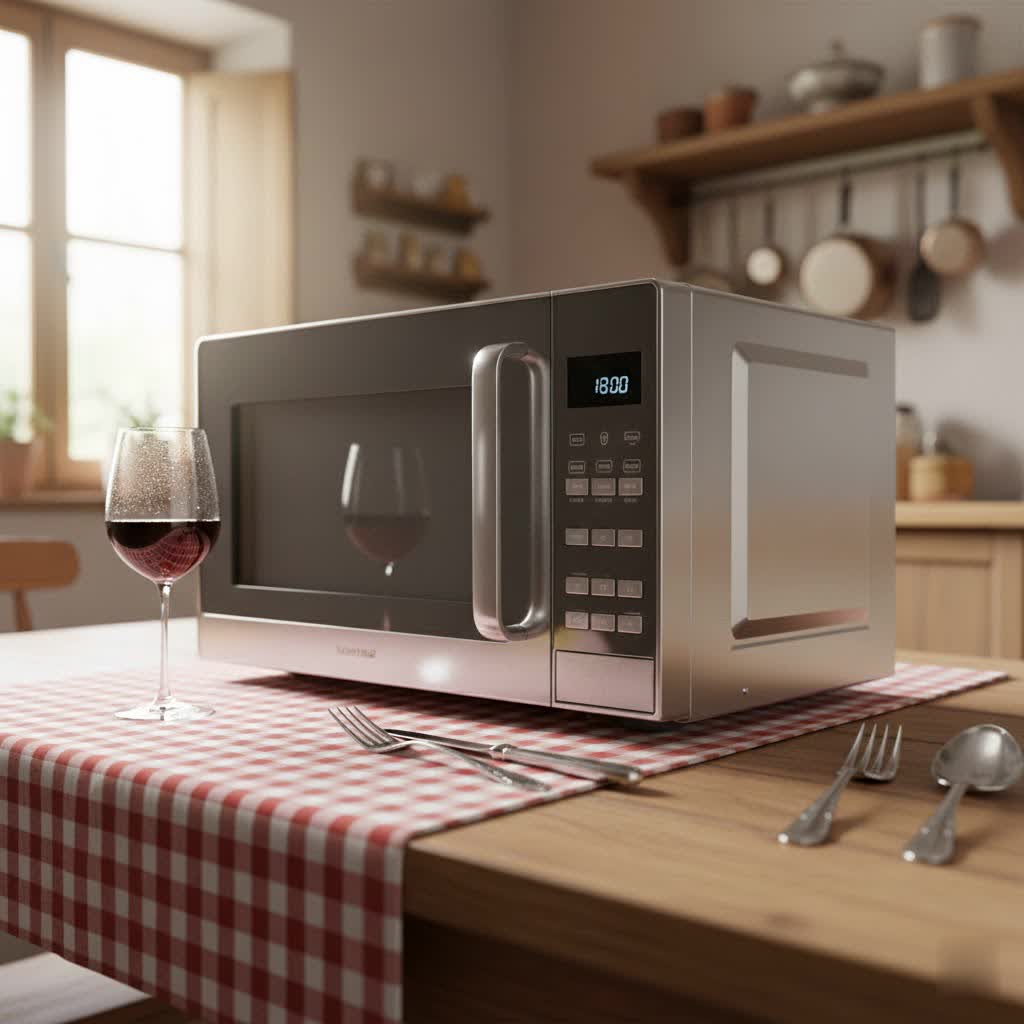
What is a Commercial Microwave Oven? Understanding Its Core Principles
A commercial microwave oven is a robust appliance specifically engineered for the rigorous demands of professional foodservice settings. Unlike their residential counterparts, these ovens are built for continuous, high-volume use, delivering rapid and consistent heating results. Their primary function revolves around utilizing microwave energy to quickly heat, defrost, and cook food items.
The fundamental operating principle involves a magnetron, a vacuum tube that generates high-frequency electromagnetic waves, known as microwaves. These waves penetrate food, causing water molecules within to vibrate rapidly, generating heat through friction. A critical distinction in commercial models is the absence of a rotating turntable. Instead, commercial microwaves often employ a stirrer system or multiple magnetrons to distribute microwave energy evenly throughout the cavity, ensuring uniform heating across larger or irregularly shaped dishes. This design ensures that every part of the food receives consistent energy, crucial for maintaining quality and safety in a commercial setting.
The concept of microwave heating originated from the accidental discovery by Percy Spencer in the 1940s while working with radar technology, quickly evolving into a staple appliance in kitchens worldwide.
Common Types of Commercial Microwave Ovens on the Market
Commercial microwave ovens are not one-size-fits-all; they are categorized based on their intended use, installation method, and underlying technology, each designed to meet specific kitchen demands.
By Function:
- Basic Commercial Microwaves: These units are workhorses, primarily designed for rapid reheating, defrosting, and light cooking tasks. They are ideal for establishments where speed and simplicity are paramount for pre-cooked items or beverages.
- Commercial Microwaves with Grill (Combination Ovens): Integrating a grilling element, these microwaves offer more versatility. They can not only heat but also brown and crisp food, providing a more appealing finish to dishes that might otherwise become soggy.
- Commercial Steam Microwaves: Utilizing steam alongside microwave energy, these ovens are excellent for preserving moisture and nutrients, ideal for delicate items or rethermalizing dishes without drying them out.
- High-Speed/Rapid Cook Ovens: These advanced units combine microwave technology with other heating methods like convection or impingement (jet air) to cook food significantly faster than conventional ovens, often achieving browning and crisping in minutes. They are perfect for establishments requiring both speed and quality finish.
|
Our Picks for the Best Microwave Oven in 2026
As an Amazon Associate I earn from qualifying purchases.
|
||
| Num | Product | Action |
|---|---|---|
| 1 | Farberware 1.1 Cu. Ft. Countertop Microwave Oven – 1000 Watts Power, Auto Cook Settings, Defrost, Easy Clean and Child Safety Lock - Stainless and Black |

|
| 2 | Chefman Countertop Microwave Oven 0.7 Cu. Ft., 700 Watts with 10 Power Levels, 6 Cooking Presets with One-Touch Express Cook, Eco Mode, Child Safety Lock, & Mute Button - Black |
|
| 3 | TOSHIBA ML-EM09PA(BS) Small Microwave Oven with 6 Auto Menus, Mute Function & Child Lock, LED Lighting, Perfect for Apartment, 0.9 Cu Ft, 10.6 Inch Removable Turntable, 900W, Black Stainless Steel |
|
| 4 | Farberware 1.1 Cu. Ft. Countertop Microwave Oven – 1000 Watt Power, Auto Cook Settings, Defrost, Easy Clean and Child Safety Lock - Stainless |
|
| 5 | Nostalgia Retro Compact Countertop Microwave Oven, 0.7 Cu. Ft. 700-Watts with LED Digital Display, Child Lock, Easy Clean Interior, Aqua |
|
| 6 | BLACK+DECKER EM720CB7 Digital Microwave Oven with Turntable Push-Button Door, Child Safety Lock, 700W, Stainless Steel, 0.7 Cu.ft |
|
| 7 | Farberware 1.1 Cu. Ft. Countertop Microwave Oven – 1000 Watts Power, Auto Cook Settings, Defrost, Easy Clean and Child Safety Lock - Stainless |
|
| 8 | TOSHIBA EM131A5C-SS Countertop Microwave Ovens 1.2 Cu Ft with 12.4" Removable Turntable Smart Humidity Sensor, 12 Auto Menus Mute Function ECO Mode Easy Clean Interior, 1000W, Silver |
|
| 9 | TOSHIBA EM131A5C-BS Countertop Microwave Ovens 1.2 Cu Ft, 12.4" Removable Turntable Smart Humidity Sensor 12 Auto Menus Mute Function ECO Mode Easy Clean Interior Black Color 1000W |
|
| 10 | Beautiful 1.1 Cu Ft 1000W Sensor Microwave Oven – Compact Countertop with Smart Sensor Cooking, 10 Power Levels & Easy Clean Interior – Perfect for Quick Meals, Office & Holiday Hosting |
|
By Installation:
- Countertop Commercial Microwaves: The most common type, these freestanding units are portable and can be placed on any stable counter space. Their flexibility makes them suitable for various kitchen layouts.
- Built-in/Stackable Commercial Microwaves: While less common for full integration than residential models, some commercial microwaves are designed to be stackable, allowing kitchens with limited counter space to expand capacity vertically.
By Technology:
- Standard Commercial Microwaves: These models use a consistent power output during their cycle.
- Inverter Commercial Microwaves: Inverter technology allows for a continuous, variable power flow, rather than cycling between full power and off. This results in more precise cooking, better texture preservation, and often greater energy efficiency.
Crucially, commercial microwaves are also often classified by their duty level, indicating the volume and frequency of use they can withstand.
- Light-Duty (1000-1200 watts): Suited for low-volume operations like small cafes, convenience stores, or office break rooms, handling up to 50 uses per day.
- Medium-Duty (1200-2000 watts): Ideal for mid-sized restaurants, bakeries, or food trucks with moderate use, up to 150 times daily.
- Heavy-Duty (2000-3000+ watts): Built for high-volume establishments like hotels, busy restaurants, or institutional kitchens, designed for over 150 uses per day.
Comparison Table: Commercial Microwave Oven Duty Levels
| Feature | Light-Duty Commercial Microwave | Medium-Duty Commercial Microwave | Heavy-Duty Commercial Microwave |
|---|---|---|---|
| Wattage | 1000-1200W | 1200-2000W | 2000-3000+W |
| Ideal Use | Reheating beverages, pastries, light items | Heating soups, sauces, partially frozen | Rapidly cooking/defrosting large quantities |
| Daily Usage | Up to 50 times | Up to 150 times | 150+ times |
| Durability | Commercial-grade, but for intermittent use | Built for frequent use | Engineered for continuous, intense use |
| Controls | Often simple dial or basic touchpad | Programmable, multiple power levels | Advanced programmable settings, precise controls |
| Price Range | Lower to Mid-range | Mid-range to High-end | Higher-end |
| Key Benefit | Cost-effective for low volume | Versatile for moderate volume | Ultimate speed and endurance |
Guide to Choosing the Right Commercial Microwave Oven
Selecting the perfect commercial microwave requires a thoughtful assessment of your specific operational needs. Making an informed decision will ensure your investment genuinely boosts kitchen efficiency.
1. Determine Your Usage Needs
Start by evaluating your kitchen’s daily routine.
- Type of establishment: Are you running a small coffee shop, a bustling diner, a catering service, or a large institutional kitchen?
- Volume: How many items will be heated or cooked daily? This directly influences the required duty level.
- Purpose: Will it primarily be for reheating pre-cooked meals, defrosting ingredients, steaming vegetables, or combination cooking to achieve browning?
2. Choose Appropriate Capacity
The internal capacity of the microwave, measured in cubic feet or liters, dictates what type and quantity of food you can process.
- Small capacity (under 0.8 cu. ft. / 22 liters): Suitable for single servings, individual plates, or small items, ideal for 1-2 users.
- Medium capacity (0.8-1.2 cu. ft. / 22-34 liters): Fits most standard dinner plates and some half-size food pans, suitable for 3-4 users.
- Large capacity (over 1.2 cu. ft. / 34 liters): Designed to accommodate full-size food pans, large platters, or multiple items simultaneously, perfect for high-volume operations or larger families.
Always measure your typical dishes and food pans to ensure they fit comfortably.
3. Select Suitable Wattage and Duty Level
As highlighted in the comparison table, wattage and duty level are paramount for commercial environments.
- Light-duty (1000-1200W): Sufficient for quick reheating tasks up to 50 times a day.
- Medium-duty (1200-2000W): A versatile choice for kitchens requiring up to 150 daily uses, capable of handling a broader range of foods.
- Heavy-duty (2000-3000+W): Essential for non-stop operations with over 150 daily uses, ensuring minimal downtime and maximum speed. Higher wattage means faster cooking, a critical factor during peak hours.
4. Consider Convenient Features
Modern commercial microwaves come with a range of features designed to streamline operations.
- Programmable Controls & Pre-set Menus: Digital touchpads with programmable memory pads allow staff to consistently cook various items with a single touch, reducing training time and errors.
- Multi-Stage Cooking: Some models allow for programming different power levels and times within a single cycle (e.g., defrost then cook).
- “X2” Quantity Button: Automatically doubles the cooking time for two portions, enhancing efficiency.
- Control Type (Dial vs. Touchpad): Dial controls are simple and intuitive for basic tasks, while touchpads offer precision and programmability.
- Construction Material: Stainless steel interior and exterior are standard for commercial units, offering durability, ease of cleaning, and resistance to corrosion.
- Bottom Energy Feed: Unlike residential models, many commercial units have the magnetron located at the bottom, directing energy upwards for more even heating without a turntable.
- Easy-Access Air Filters: Removable and washable air filters are vital for maintaining performance and extending the lifespan of the unit, protecting internal components from grease.
- Stackable Design: If space is a premium, look for models designed to be stacked, increasing throughput without expanding your footprint.
5. Choose Reputable Brands
Investing in a commercial microwave from a well-known manufacturer typically ensures better quality, reliability, and access to service. Leading brands in the commercial microwave market include:
- Amana: Renowned for robust, heavy-duty models.
- Panasonic: Known for its innovative inverter technology and reliable performance across various duty levels.
- Sharp: Offers durable and user-friendly options, often at competitive price points.
- Menumaster: A brand specifically focused on commercial kitchen appliances, known for durability.
6. Check Product Thoroughly Before Buying
Before finalizing your purchase:
- Inspect the unit: Look for any physical damage, ensure all controls are functional, and check that accessories are included.
- Warranty: Understand the warranty terms; commercial warranties are typically more extensive than residential ones.
- Certifications: Ensure the unit meets relevant commercial safety and hygiene standards (e.g., UL, ETL).
- Electrical Requirements: High-wattage models may require dedicated circuits or specific voltage (e.g., 208V/240V) that differ from standard residential outlets.
7. Refer to User Reviews
Customer and expert reviews can provide invaluable insights into real-world performance, durability, and ease of use.
“In a commercial kitchen, a microwave isn’t just about reheating; it’s about consistency and speed. Choosing the right wattage and programmable features can cut your ticket times dramatically and ensure every dish meets your standard.” – Chef Elena Rodriguez, Head of Operations at The Eatery Collective
Top Commercial Microwave Oven Models Today
The market offers a diverse range of high-performing commercial microwave ovens. Here are a few examples of models that consistently earn high marks for their reliability and efficiency:
- Amana RFS18TS: A medium-duty countertop microwave, praised for its versatility with five power levels and memory for up to 100 menu items. It also features a stackable design and a removable air filter for easy maintenance.
- Panasonic NE-1054F: An excellent light-duty option, ideal for cafes or break rooms, known for its user-friendly controls and robust build.
- Sharp R-21LCFS / R24AT: Often recommended as reliable medium-duty choices, offering good performance and durability for bakeries, pizza stores, and mid-volume restaurants.
- Amana HDC182: A heavy-duty workhorse built for continuous, high-volume use, delivering substantial cooking power for demanding kitchens.
- Panasonic NE-2152CPR: A heavy-duty model from Panasonic, featuring high wattage and advanced programmable controls, perfect for large-scale operations.
These models exemplify the blend of power, durability, and features crucial for commercial environments, catering to different operational scales and budgets.
How to Use and Maintain Your Commercial Microwave Oven Correctly
Proper usage and consistent maintenance are vital for maximizing the lifespan and performance of your commercial microwave oven.
Using Your Commercial Microwave:
- Read the Manual: Always refer to the manufacturer’s instructions for specific features, power levels, and recommended usage.
- Use Microwave-Safe Cookware: Only use dishes made from glass, ceramic, or microwave-safe plastic. Metal containers or foil can cause arcing and damage the oven.
- Avoid Operating Empty: Running an empty microwave can damage the magnetron.
- Do Not Overfill: Ensure sufficient space for heat circulation and prevent spills.
- Utilize Programmable Settings: For frequently prepared items, leverage programmed settings for consistent results and speed.
Maintaining Your Commercial Microwave:
- Regular Cleaning: Wipe down the interior and exterior daily with a damp cloth and mild, non-abrasive cleaner. Food splatters can absorb microwave energy, leading to “hot spots” and potential damage.
- Clean Air Filters: Many commercial models have removable air filters. Clean or replace them regularly (e.g., weekly or monthly, depending on use) to ensure proper ventilation and prevent overheating of internal components.
- Inspect Door Seals: Check the door seals for any signs of wear or damage. A faulty seal can lead to microwave leakage.
- Avoid Harsh Cleaners: Do not use abrasive pads, steel wool, or harsh chemical cleaners, as they can scratch surfaces and damage components.
Safety Notes:
- Ensure adequate ventilation around the unit as per manufacturer guidelines.
- Never attempt to repair complex internal components yourself.
- Always ensure the door is securely latched before operating.
Common Commercial Microwave Oven Problems and Solutions
Even robust commercial appliances can encounter issues. Knowing common problems and basic troubleshooting can save time and prevent more significant damage.
- Microwave Not Heating:
- Check Power: Ensure the unit is properly plugged in and the circuit breaker hasn’t tripped.
- Door Latch: The door must be completely closed and latched. A faulty latch sensor will prevent operation.
- Control Panel: Verify settings are correctly entered; some models require a start button press.
- Sparking or Arcing Inside:
- Metal Objects: Immediately stop the oven and remove any metal utensils, aluminum foil, or dishes with metallic trim.
- Food Debris: Food residue or burnt splatters can cause sparking. Clean the interior thoroughly.
- Damaged Waveguide Cover: If sparking persists after removing metal and cleaning, the waveguide cover (a mica sheet inside) might be damaged and needs replacement.
- Unusual Noises:
- Normal Operation: Some humming or fan noise is normal.
- Loose Components: Rattling could indicate a loose interior part; consult a technician.
- Magnetron Issues: A grinding or buzzing sound different from normal operation could signal a magnetron problem, requiring professional service.
- Door Not Closing Properly:
- Obstruction: Check for food debris or foreign objects blocking the latch.
- Misalignment: If the door is bent or misaligned, it may need adjustment or repair by a technician.
For any issues beyond simple troubleshooting, especially those involving electrical components or consistent malfunctions, it is always best to contact a qualified commercial appliance technician. Attempting complex repairs yourself can be dangerous and may void your warranty.
Conclusion
Choosing the right commercial microwave oven is a pivotal decision for any foodservice operation. It’s an investment in speed, consistency, and the overall efficiency of your kitchen. By understanding the different types, carefully considering your specific needs, and prioritizing features like wattage, capacity, and programmability, you can select a model that stands up to the rigors of daily use and streamlines your culinary processes. Proper usage and diligent maintenance will further ensure your commercial microwave remains a reliable workhorse for years to come. With the ideal commercial microwave oven, you’re not just heating food; you’re elevating your entire kitchen’s performance.
What aspects of commercial microwave ovens are most important to your kitchen’s daily success?
Frequently Asked Questions
What is the main difference between a commercial and a residential microwave oven?
Commercial microwave ovens are built for heavy-duty, continuous use, featuring higher wattage (1000-3000+W), robust stainless steel construction, and often stirrer systems instead of turntables for even heating. Residential models are designed for occasional use (700-900W) and typically include turntables and simpler controls, lacking the durability and speed required for a professional kitchen.
How do I determine the correct wattage for my commercial microwave?
The correct wattage depends on your kitchen’s duty level. Light-duty kitchens (up to 50 uses/day) need 1000-1200W, medium-duty (up to 150 uses/day) require 1200-2000W, and heavy-duty operations (150+ uses/day) demand 2000-3000+W. Higher wattage ensures faster cooking and greater efficiency during peak hours.
Can a commercial microwave brown or crisp food like an oven?
While basic commercial microwaves primarily heat and defrost, models with integrated grill elements or high-speed/rapid cook ovens (which combine microwave with convection or impingement heating) are specifically designed to brown, toast, and crisp food, offering more versatile cooking capabilities similar to traditional ovens but at much faster speeds.
