Are you dreaming of a kitchen where every appliance has its perfect place, offering both elegance and unparalleled functionality? A built-in microwave oven could be the centerpiece of that vision, transforming your cooking space from cluttered to chic. These integrated appliances offer a seamless look, freeing up valuable counter space while delivering powerful performance. This comprehensive guide will navigate you through everything you need to know, from understanding what makes these ovens stand out to selecting the ideal model for your culinary adventures.
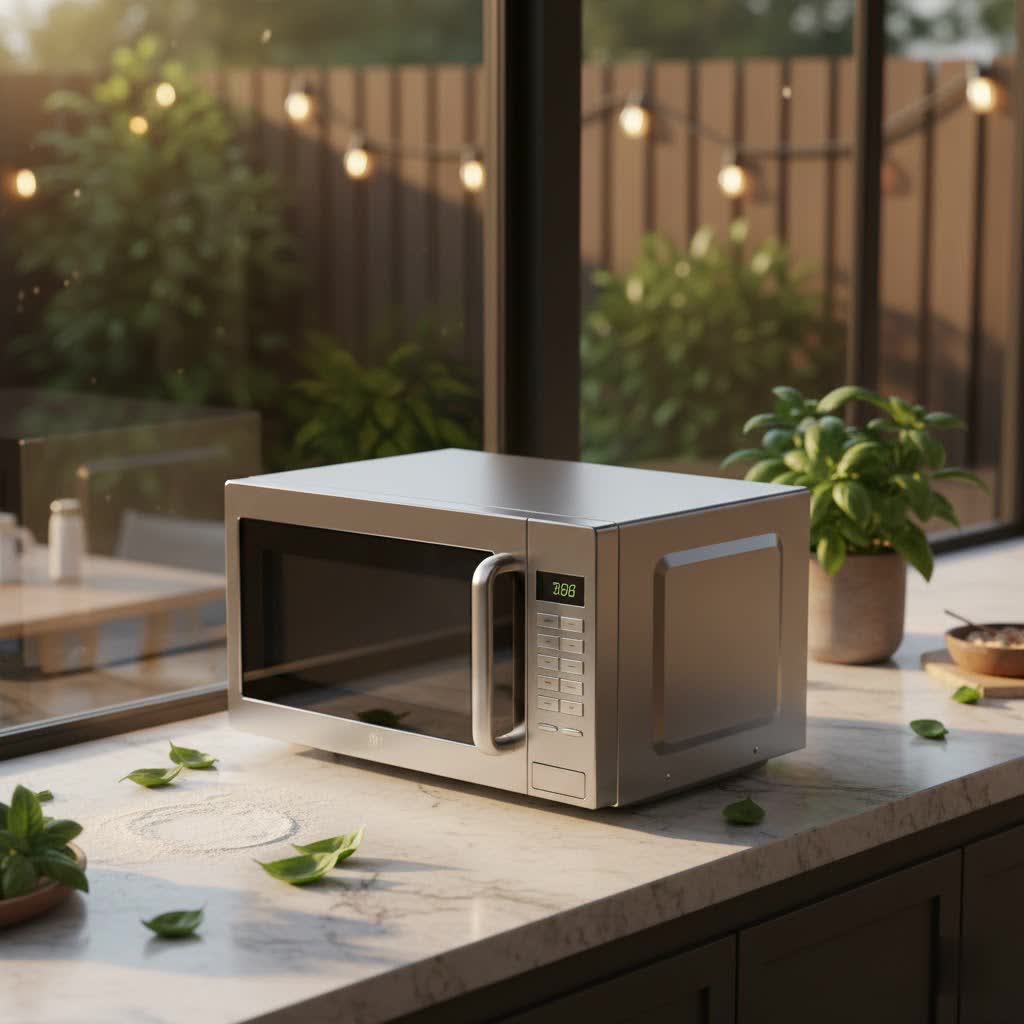
What is a Built-In Microwave Oven? Understanding the Basics
A built-in microwave oven is an appliance designed to be permanently installed into your kitchen cabinetry or a dedicated wall cavity, rather than sitting on a countertop. This integration creates a streamlined, custom look that aligns perfectly with your kitchen’s aesthetic. At its core, a microwave oven uses microwave radiation, a form of electromagnetic waves, to rapidly heat and cook food. These waves cause water molecules within the food to vibrate, generating heat and cooking it from the inside out. Unlike traditional countertop models, built-in units are often placed at eye level or within lower cabinets, providing ergonomic access and contributing to a modern, uncluttered kitchen design. Their primary advantages lie in their space-saving nature, enhanced aesthetics, and often more robust feature sets compared to their freestanding counterparts.
Types of Built-In Microwave Ovens: Choosing Your Style
Built-in microwave ovens come in various configurations, each offering unique benefits and catering to different cooking needs and kitchen layouts. Understanding these types is crucial for making an informed decision.
-
By Functionality:
- Basic Built-In Microwaves: These are designed primarily for essential tasks like reheating leftovers, defrosting frozen foods, and simple cooking. They are straightforward, user-friendly, and perfect for households needing reliable, no-frills microwave performance.
- Built-In Convection Microwaves: These versatile ovens combine standard microwave functions with a convection fan and heating element. This allows them to double as a small oven, capable of baking, roasting, and browning dishes, offering more cooking flexibility than a basic microwave.
- Built-In Microwave with Grill: Similar to convection models, these units include a grilling element that can brown, crisp, and toast food. They are ideal for achieving a crispy finish on dishes like pizzas, gratins, or sandwiches after they’ve been microwaved.
- Built-In Speed Ovens: These advanced appliances often combine microwave, convection, and broil functions to significantly reduce cooking times. They are perfect for busy households or anyone who wants the ability to cook a wide range of dishes quickly and efficiently.
-
By Installation Type:
- Wall-Mounted Microwaves: These are typically installed within an upper cabinet or a dedicated wall cutout, often above a wall oven. They offer convenient eye-level access and a classic integrated look.
- Microwave Drawers: Designed for installation under a counter, in an island, or in lower cabinetry, these units feature a drawer that slides out for easy loading and unloading. They are particularly ergonomic for accessibility and maintain a sleek, minimalist aesthetic.
Comparison Table: Built-In Microwave Types at a Glance
|
Our Picks for the Best Microwave Oven in 2026
As an Amazon Associate I earn from qualifying purchases.
|
||
| Num | Product | Action |
|---|---|---|
| 1 | TOSHIBA ML-EM09PA(BS) Small Microwave Oven with 6 Auto Menus, Mute Function & Child Lock, LED Lighting, Perfect for Apartment, 0.9 Cu Ft, 10.6 Inch Removable Turntable, 900W, Black Stainless Steel |

|
| 2 | Beautiful 1.1 Cu Ft 1000W Sensor Microwave Oven – Compact Countertop with Smart Sensor Cooking, 10 Power Levels & Easy Clean Interior – Perfect for Quick Meals, Office & Holiday Hosting |
|
| 3 | Nostalgia Retro Compact Countertop Microwave Oven, 0.7 Cu. Ft. 700-Watts with LED Digital Display, Child Lock, Easy Clean Interior, Aqua |
|
| 4 | TOSHIBA EM131A5C-BS Countertop Microwave Ovens 1.2 Cu Ft, 12.4" Removable Turntable Smart Humidity Sensor 12 Auto Menus Mute Function ECO Mode Easy Clean Interior Black Color 1000W |
|
| 5 | Chefman Countertop Microwave Oven 0.7 Cu. Ft., 700 Watts with 10 Power Levels, 6 Cooking Presets with One-Touch Express Cook, Eco Mode, Child Safety Lock, & Mute Button - Black |
|
| 6 | Farberware 1.1 Cu. Ft. Countertop Microwave Oven – 1000 Watts Power, Auto Cook Settings, Defrost, Easy Clean and Child Safety Lock - Stainless and Black |
|
| 7 | BLACK+DECKER EM720CB7 Digital Microwave Oven with Turntable Push-Button Door, Child Safety Lock, 700W, Stainless Steel, 0.7 Cu.ft |
|
| 8 | Farberware 1.1 Cu. Ft. Countertop Microwave Oven – 1000 Watts Power, Auto Cook Settings, Defrost, Easy Clean and Child Safety Lock - Stainless |
|
| 9 | Farberware 1.1 Cu. Ft. Countertop Microwave Oven – 1000 Watt Power, Auto Cook Settings, Defrost, Easy Clean and Child Safety Lock - Stainless |
|
| 10 | TOSHIBA EM131A5C-SS Countertop Microwave Ovens 1.2 Cu Ft with 12.4" Removable Turntable Smart Humidity Sensor, 12 Auto Menus Mute Function ECO Mode Easy Clean Interior, 1000W, Silver |
|
| Feature/Type | Basic Built-In Microwave | Built-In Convection Microwave | Built-In Microwave Drawer |
|---|---|---|---|
| Primary Function | Reheat, Defrost, Basic Cooking | Reheat, Defrost, Bake, Roast, Grill | Reheat, Defrost, Basic Cooking, Ergonomic |
| Key Advantage | Simplicity, Cost-Effective | Versatility, All-in-one cooking | Space-saving, Easy access, Sleek look |
| Typical Installation | Wall cabinet, Above wall oven | Wall cabinet, Above wall oven, Island | Under-counter, Island, Lower cabinet |
| Door Style | Swing-out, Drop-down | Swing-out, Drop-down | Slide-out drawer |
| Price Range | Moderate | Higher | High |
| Ideal For | Everyday reheating, Smaller households | Cooking variety, Baking, Roasting | Modern kitchens, Accessibility |
How to Choose the Perfect Built-In Microwave Oven: A Detailed Buying Guide
Selecting the best built-in microwave oven involves a careful consideration of your lifestyle, cooking habits, and kitchen design. Follow this detailed guide to ensure you make an informed decision.
Assess Your Needs
Before diving into specifications, think about how you’ll use the microwave:
- Household Size & Frequency of Use: A small 1.0 cu. ft. unit might suffice for 1-2 people who only reheat occasionally, while a larger 1.6-2.2 cu. ft. model is better for families who use it daily for diverse tasks.
- Primary Purpose: Do you primarily need it for quick reheating and defrosting, or are you looking for advanced cooking capabilities like baking, roasting, or air frying?
- Kitchen Layout & Aesthetic Preferences: Consider where the microwave will be placed and how it will integrate with your existing cabinetry and appliance finishes.
Size and Capacity
This is perhaps the most critical factor for built-in units.
- Matching Cabinet Cutout: Built-in microwaves come in standard widths like 24, 27, and 30 inches. You must precisely measure the existing cabinet opening or the space where you plan to install it. The microwave’s dimensions, including the trim kit, must match the manufacturer’s specifications exactly for a flush, seamless fit.
- Internal Capacity: Measured in cubic feet (cu. ft.), this determines how much food the microwave can hold.
- Small (under 1.2 cu. ft.): Good for single servings and reheating.
- Medium (1.2-1.6 cu. ft.): Suitable for average families and most standard dishes.
- Large (1.6 cu. ft. and above): Ideal for larger families, casseroles, and more extensive meal prep.
Power and Wattage
The microwave’s power output, measured in watts, directly impacts cooking speed and efficiency.
- Most built-in microwaves range from 800 to 1200 watts.
- Higher wattage (1000W+) means faster cooking and more even heat distribution, which is beneficial for frequently used microwaves or complex dishes.
- Lower wattage (800W or less) might take longer to cook but can be more energy-efficient for gentle tasks like simmering or delicate defrosting.
Key Features to Look For
Modern built-in microwaves offer a plethora of features that can enhance your cooking experience:
- Sensor Cooking: Automatically detects moisture and humidity levels in food, adjusting cooking time and power for optimal results without guesswork.
- Inverter Technology: Provides a continuous stream of microwave energy, ensuring more even cooking and consistent defrosting compared to traditional on/off cycling. This prevents hot and cold spots.
- Multi-Stage Cooking: Allows you to program different power levels and cooking times in sequence (e.g., defrost then cook).
- Pre-set Programs & Express Cook: One-touch buttons for common items like popcorn, beverages, or potatoes, simplifying operation.
- Child Lock: A crucial safety feature that prevents accidental use by children.
- Smart Features (Optional): Some high-end models offer Wi-Fi connectivity, allowing remote control via a smartphone app, voice control integration with smart home systems, or even barcode scanning for automatic cooking settings.
- Ventilation: For built-in units, especially those near a cooking surface, proper ventilation is essential to prevent overheating. Some models might require specific airflow clearances or external ducting.
- Turntable vs. Flatbed: Most microwaves use a rotating turntable for even heating. Flatbed designs, without a turntable, offer more usable interior space and are easier to clean.
Door Style
Built-in microwaves come with a few common door styles:
- Swing-out: The most common, opening to the side (left or right).
- Drop-down: Opens downwards like a conventional oven door, which can be convenient when placed at eye level.
- Drawer: Slides out horizontally, perfect for under-counter installations.
Budget and Brand Reputation
Built-in microwaves are generally more expensive than countertop models due to their integrated design and often advanced features.
- Price Ranges: Entry-level models can start around $300-$600, while high-end units with convection or smart features can easily exceed $1,200-$3,000.
- Reputable Brands: Consider brands known for quality and reliability such as Sharp, Panasonic, KitchenAid, Frigidaire, Bosch, LG, GE Profile, Samsung, and Electrolux. Researching user reviews and reliability ratings can provide valuable insights.
Installation Considerations
Professional installation is often recommended for built-in microwaves. This ensures proper fitting within the cabinetry, correct electrical connections, and adequate ventilation, which are crucial for both safety and performance. Don’t forget to account for the additional cost of a trim kit, which frames the microwave for a seamless built-in look, and any potential professional installation fees.
Top Built-In Microwave Oven Models: Our Top Picks
Based on functionality, reliability, and user reviews, here are a few highly-regarded built-in microwave oven models that exemplify excellence in their categories:
- Panasonic HomeChef 4-in-1 Combination Oven: This versatile appliance stands out for its multi-functional capabilities, combining microwave, air fryer, broiler, and convection oven features in one unit. It’s an excellent choice for those seeking maximum cooking flexibility in a compact built-in design.
- Sharp SMD2470ASY Microwave Drawer Oven: For those prioritizing ergonomics and a sleek, unobtrusive design, Sharp’s microwave drawer is a top contender. Its easy-touch automatic drawer system and under-counter placement make it incredibly convenient and stylish for modern kitchens.
- KitchenAid KMBP107EBS Built-In Microwave Oven: This model is highly rated for its convection capabilities, allowing it to perform like a secondary oven for baking and roasting, alongside standard microwaving tasks. It offers powerful performance and a premium aesthetic.
- Frigidaire Gallery Built-in Microwave: Offering great value, this Frigidaire model provides a large capacity and smart sensor cooking without an exorbitant price tag, making it a solid choice for families on a budget who still desire a built-in look.
Using and Maintaining Your Built-In Microwave Oven for Longevity
Proper usage and regular maintenance are key to extending the life and ensuring the efficient performance of your built-in microwave oven.
Usage Tips
- Use Microwave-Safe Cookware: Always use dishes made of glass, ceramic, or plastic specifically labeled “microwave-safe.” Avoid metal or foil, which can cause arcing and damage the appliance.
- Even Heating: Stir food halfway through cooking or rearrange items to ensure even heat distribution. Turntables are designed to aid in this process.
- Avoid Overloading: Do not block vents or overload the microwave beyond its recommended capacity, as this can lead to uneven cooking and potential damage.
- Cover Food: Use microwave-safe covers or plastic wrap to prevent splattering, which keeps the interior cleaner and helps retain moisture in food.
Cleaning and Care
- Regular Wiping: Wipe the interior and exterior surfaces regularly with a soft cloth and mild detergent to prevent food buildup and stains.
- Clean Door Seals: Pay attention to the door seals to ensure they are clean and free of food debris, as this is vital for the microwave’s efficient and safe operation.
- Odor Removal: For persistent odors, place a bowl of water with lemon slices or white vinegar inside and microwave for a few minutes. Let it sit for a while before wiping clean.
Safety Precautions
- Child Lock: Always engage the child lock feature to prevent young children from accidentally operating the microwave.
- Proper Ventilation: Ensure the microwave’s ventilation system is clear and unobstructed to prevent overheating, especially for models integrated into cabinetry.
- Supervise Cooking: Never leave food unattended, especially during high-power cooking, to prevent overcooking or potential hazards.
Common Built-In Microwave Oven Issues and Troubleshooting
Even the best appliances can encounter issues. Here are some common problems and basic troubleshooting tips for built-in microwave ovens:
- Microwave Not Heating:
- Check power supply: Ensure it’s properly plugged in and the circuit breaker hasn’t tripped.
- Door latch: Make sure the door is fully closed and latched. A faulty door switch can prevent heating.
- Turntable Not Spinning:
- Check for obstructions: Ensure no food debris is blocking the turntable mechanism.
- Re-seat turntable: Make sure the turntable and ring are correctly placed on their support.
- Motor issue: If none of the above, the turntable motor might need replacement.
- Strange Noises:
- Arcing/Sparking: Immediately turn off the microwave. Remove any metal objects or dishware with metallic trim. Clean the interior thoroughly, as trapped food particles can cause sparking.
- Humming/Buzzing: A slight hum is normal, but loud or unusual buzzing could indicate a magnetron issue or other internal component problem.
- Control Panel Unresponsive:
- Power cycle: Unplug the microwave for a minute, then plug it back in to reset the electronics.
- Child lock: Ensure the child lock is not activated.
When to Call a Professional: For any issues beyond simple troubleshooting, especially those involving electrical components, unusual noises, or persistent lack of heating, it’s best to contact a qualified appliance technician. Attempting DIY repairs on complex internal components can be dangerous.
Conclusion
Choosing the best built-in microwave oven is an investment that elevates both the aesthetics and functionality of your kitchen. By understanding the different types, considering crucial factors like size, capacity, power, and features, and adhering to proper usage and maintenance, you can select an appliance that seamlessly integrates into your home and simplifies your daily cooking routines. A well-chosen built-in microwave not only saves valuable counter space but also becomes an indispensable tool for efficient and enjoyable meal preparation.
Ready to transform your kitchen with a sleek, high-performing built-in microwave? What feature are you most excited to integrate into your culinary space?
Frequently Asked Questions
What is the difference between a built-in and over-the-range microwave?
A built-in microwave is designed to be installed flush within cabinetry or a wall, often with a trim kit for a seamless look. An over-the-range (OTR) microwave is specifically designed to be installed above a range or cooktop, doubling as a ventilation hood to clear smoke and odors from the cooking surface.
How long do built-in microwaves last?
With average use and proper maintenance, built-in microwaves typically last between 7 to 10 years. Higher-end models from reputable brands may last even longer, especially those with durable components and advanced features like inverter technology.
Are built-in microwaves worth the cost?
While generally more expensive than countertop models, many homeowners find built-in microwaves worth the investment due to their space-saving design, sleek integrated appearance, ergonomic placement, and often superior feature sets like convection cooking and smart capabilities. They also contribute to a higher perceived value of your kitchen.
Can I install a built-in microwave myself?
While some DIY-savvy individuals might attempt it, professional installation is strongly recommended for built-in microwaves. This ensures correct electrical wiring, proper ventilation, and precise fitment within cabinetry, which is crucial for safety, performance, and achieving that desired seamless look.
What wattage is best for a built-in microwave?
For most households, a built-in microwave with 1000 to 1200 watts of power is ideal. This wattage range provides efficient and even cooking for a variety of tasks, from quick reheating to more involved cooking and defrosting, balancing speed with consistent results.
